Online Reporter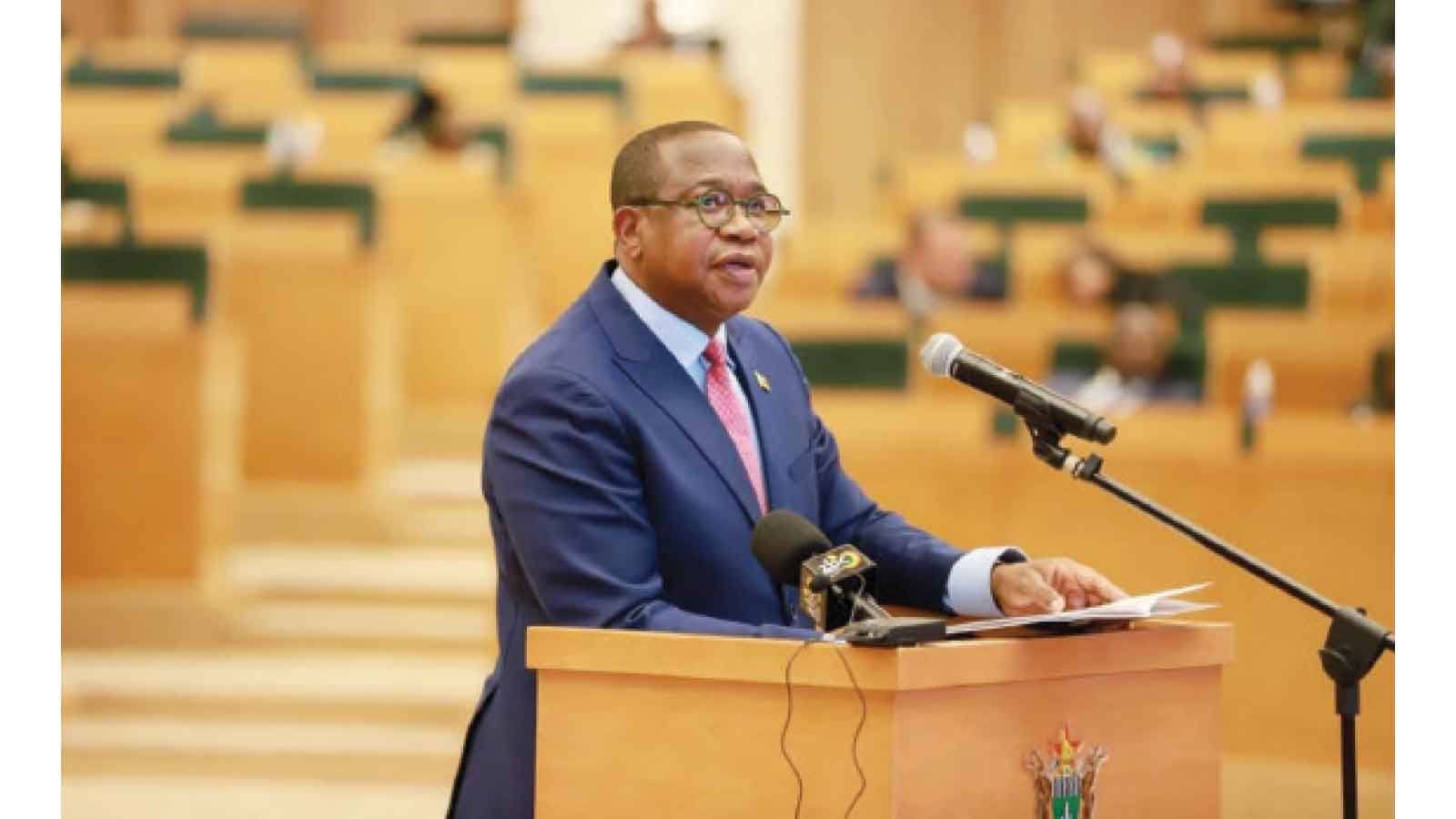
Nqobile Bhebhe-Zimpapers Business Hub
Government’s sustained policy and regulatory reforms in the electricity sector are strengthening investor confidence, accelerating private sector participation in power generation and positioning Zimbabwe for improved energy security and industrial growth, Finance, Economic Development and Investment Promotion Minister Professor Mthuli Ncube has said.
The reforms – centred on streamlining licencing procedures, reducing regulatory costs, simplifying approval processes and strengthening the regulatory framework — are improving the ease of doing business while attracting fresh investment into electricity generation.
The measures have already secured US$1,1 million in development partner support to create an enabling environment for Independent Power Producers (IPPs) and accelerate renewable energy development through interventions in energy efficiency, wind resource assessment, tariff review methodologies, regulatory accounting frameworks and financial audits.
The reforms come at a time when reliable electricity is increasingly recognised as a critical driver of economic growth, supporting productivity across manufacturing, mining, agriculture and commerce, while improving Zimbabwe’s attractiveness as an investment destination.
Presenting the 2026 Mid-Term Budget and Economic Review Statement, Prof Ncube said the energy sector had delivered a strong performance during the first half of the year, underpinned by increased domestic electricity generation, strategic imports and the continued implementation of Government reforms.
“The energy sector recorded strong performance during the period January to June 2026, with significant improvements in electricity generation, supply and availability.
“Overall, sector performance was underpinned by improved local electricity generation, strategic power imports, enhanced participation in the Southern African Power Pool (SAPP) electricity market and continued implementation of Government reforms aimed at strengthening energy security and attracting private sector investment.
“As a result, cumulative Energy Sent Out reached 4,774.2 GWh, against a target of 4,430.1 GWh – 7.8 per cent above target.”
The improved performance has translated into significantly better electricity availability, giving industry greater operational certainty and reducing disruptions that have historically constrained production.
Prof Ncube said Zimbabwe had recorded 190 consecutive days without load-shedding and 209 days during which power outages did not exceed two hours, representing one of the country’s strongest electricity supply performances in recent years.
“This was largely attributable to improved generation performance at Hwange and Kariba Power Stations, new capacity installed, strategic electricity imports, optimisation of regional power trading through SAPP, improved system operations and energy dispatch, and prioritisation of domestic electricity demand.”
He said the improved electricity supply was already supporting productivity across key sectors of the economy.
“The interventions collectively enhanced electricity availability to households, industry, mining and commerce, thereby sustaining increases in productivity.”
Beyond improving electricity availability, Government continued implementing reforms aimed at creating a more attractive investment climate for power developers.
“In this regard, the reforms included streamlining licensing processes, reducing licencing fees and regulatory levies for the energy sector, simplifying approval procedures and strengthening the regulatory framework to improve the ease of doing business.
“In this regard, the sector received US$1,1 million from Development Partners towards creating an enabling environment for Independent Power Producers (IPPs) and expansion of renewable energy generation capacity, by focusing on energy efficiency design, protection coordination, wind resource assessment, tariff review methodology, regulatory accounting frameworks and financial audits interventions.
“These reforms have enhanced investor confidence and accelerated private sector participation in electricity generation and renewable energy development.”
The reforms are expected to deepen investment into electricity infrastructure as Zimbabwe pursues ambitious electricity generation targets under the National Development Strategy 2 (NDS2) and the National Energy Compact, with greater private sector participation expected to reduce financing pressures on the fiscus while expanding national generation capacity.
Industry analysts say lowering regulatory barriers and creating a predictable licensing environment is critical in attracting long-term capital, particularly for renewable energy projects that require substantial upfront investment.
The country’s transition towards a diversified energy mix also gathered momentum during the review period through the Net Metering Programme, which exceeded expectations.
Prof Ncube said 19.8MW had been commissioned against a target of 16.7MW, bringing cumulative net metering capacity to 92MW, reflecting growing private sector adoption of distributed renewable energy systems.
Private investment also continued to expand through the commissioning and construction of strategic generation projects.
“Private sector participation in electricity generation continued to grow through the successful commissioning of the 70 MW Prospect Lithium Thermal Power Plant and continued progress on several Independent Power Producer projects, including the Zhongjin Heli (135 MW) and Prestige Massive (50 MW), which are over 90 per cent complete, and Sunny Jin Long (Phase 1 – 60 MW), which is 70 per cent complete.
“These investments are expected to substantially increase national generation capacity, reduce dependence on electricity imports, improve long-term energy security and support industrial growth.”
The additional generation capacity is expected to improve electricity reliability, reduce the country’s import bill and strengthen foreign currency savings, while providing the stable power supplies required by manufacturing companies, mining houses and commercial enterprises to expand production and lower operating costs. With energy security emerging as a key pillar of economic competitiveness, continued investment by IPPs and renewable energy developers is expected to strengthen Zimbabwe’s power supply resilience while supporting the country’s transition towards cleaner and more sustainable energy sources.
Looking ahead, Prof Ncube said Government would sustain the reform momentum to ensure the electricity sector remains a catalyst for economic transformation.
“Going forward, Government will continue prioritising implementation of strategic generation projects, mobilisation of investment, acceleration of transmission and distribution infrastructure expansion and continued implementation of sector reforms to sustain improved electricity supply reliability and achieve the objectives of the National Development Strategy 2 (NDS2) and the National Energy Compact.”