Online Reporter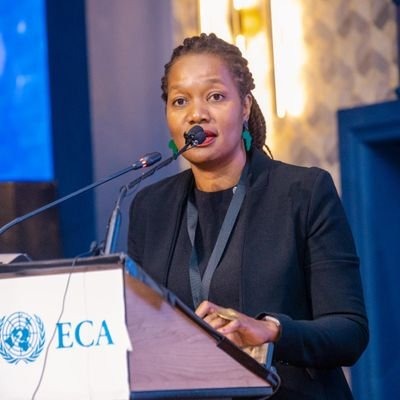
Prosper Ndlovu [email protected]
FOLLOWING the disruptive COVID-19 pandemic and the Russia–Ukraine conflict, Southern African countries must accelerate regional integration, strengthen economic resilience and implement coordinated policy responses to mitigate the growing impacts of the ongoing Middle East crisis.
This emerged during the recent United Nations Economic Commission for Africa (ECA) sub-regional office for Southern Africa high-level regional dialogue on “Implications of the Middle East Crisis on Southern Africa: Assessing Impacts, Ongoing Mitigation Measures and Building Regional Resilience.”
The gathering brought together senior government officials, representatives of regional economic communities, United Nations resident coordinators, development partners, private sector leaders, civil society organisations, and policy experts.
In her remarks Ms Eunice Kamwendo, director of ECA’s su-bregional office for Southern Africa, warned that the ongoing crisis represents another major external shock, which threatens to reverse the region’s hard-won macro-economic gains.
“The Middle East crisis is a stark reminder that resilience is no longer optional, it’s essential for sustainable economic transformation,” she said.
“Southern Africa must strengthen its capacity to withstand external shocks before the next crisis occurs,” said Ms Kamwendo.
She noted that disruptions in global energy markets and shipping routes have raised fuel, fertiliser, and transport costs, increasing pressure on inflation, trade, public finances, and food security in the region.
Despite these challenges, Ms Kamwendo emphasised that the changing global landscape offers strategic opportunities for Southern Africa.
These include increased maritime traffic around the Cape of Good Hope, higher demand for critical minerals, more investment in renewable energy, and greater potential for regional value addition under the African Continental Free Trade Area (AfCFTA).
Ms Zodwa Mabuza, regional advisor at ECA SRO-SA, identified four main ways the crisis is affecting Southern Africa – rising energy and fiscal pressures, disruptions to trade and logistics, tighter financial conditions, and possible reductions in remittance flows.
She also outlined country-specific vulnerabilities and highlighted opportunities to strengthen regional resilience through energy diversification, industrial development, and deeper regional integration.
On his part, Amb Mohamed Kadah, assistant secretary general for programmes at COMESA, reaffirmed the bloc’s commitment to advancing regional integration, socioeconomic transformation and value addition across Africa.
He stressed that strengthening regional value chains, particularly in the pharmaceutical sector, is critical to reducing dependence on external suppliers, enhancing resilience to external shocks, and accelerating sustainable economic transformation through stronger collaboration among member states and development partners.
Ms Wenyan Yang, United Nations resident coordinator in Botswana, noted that although the recent ceasefire in the Middle East is a welcome development, its economic repercussions continue to affect countries across Southern Africa through rising fuel prices, increased transportation costs and mounting inflationary pressures.
She emphasised the importance of strengthening shock-responsive social protection systems, accelerating economic diversification, and deepening regional cooperation through joint procurement mechanisms, strategic reserves and coordinated policy responses to enhance resilience against future global shocks.
Mr Michael Lawrence, executive secretary of the SADC business council, highlighted that businesses and citizens are often the first to experience external shocks.
He highlighted the need to strengthen trade facilitation, harmonise regulations, and improve cross-border logistics to enhance regional resilience.
Mr Lawrence also urged the faster implementation of Authorised Economic Operator programmes and reaffirmed the Council’s commitment to collaborating with governments, regional organisations, and development partners to build more resilient and integrated regional value chains.
Other panelists from governments, the private sector, civil society, United Nations resident coordinators’ offices and regional organisations shared country experiences and policy responses.
The discussions underscored the rising cost of fuel and transportation, increasing inflationary pressures, supply chain disruptions, higher fertiliser prices and the growing cost of living affecting households across the sub-region.
Participants emphasised that future responses should prioritise targeted social protection programmes, including cash transfers and transport support for vulnerable households, while safeguarding public investment in health, education and food security.
They also called for accelerated implementation of the AfCFTA, the removal of non-tariff barriers, strengthened regional value chains, improved trade facilitation, and greater investment in renewable energy, regional fertiliser production, and strategic reserves.
The dialogue further highlighted the importance of coordinated regional action through organisations such as COMESA and SADC, with participants stressing that stronger intra-African trade and regional cooperation remain the most sustainable buffer against future global shocks.
Concluding the meeting, participants agreed that building resilience requires immediate action rather than reactive responses during crises. They reaffirmed the need to diversify economies, strengthen supply chains, promote value addition, enhance energy security and improve preparedness for future external shocks, including climate-related risks.
ECA reaffirmed its commitment to supporting Southern African member States through evidence-based policy research, technical assistance, regional policy dialogue and strengthened partnerships aimed at advancing sustainable, inclusive and resilient economic development.