Online Reporter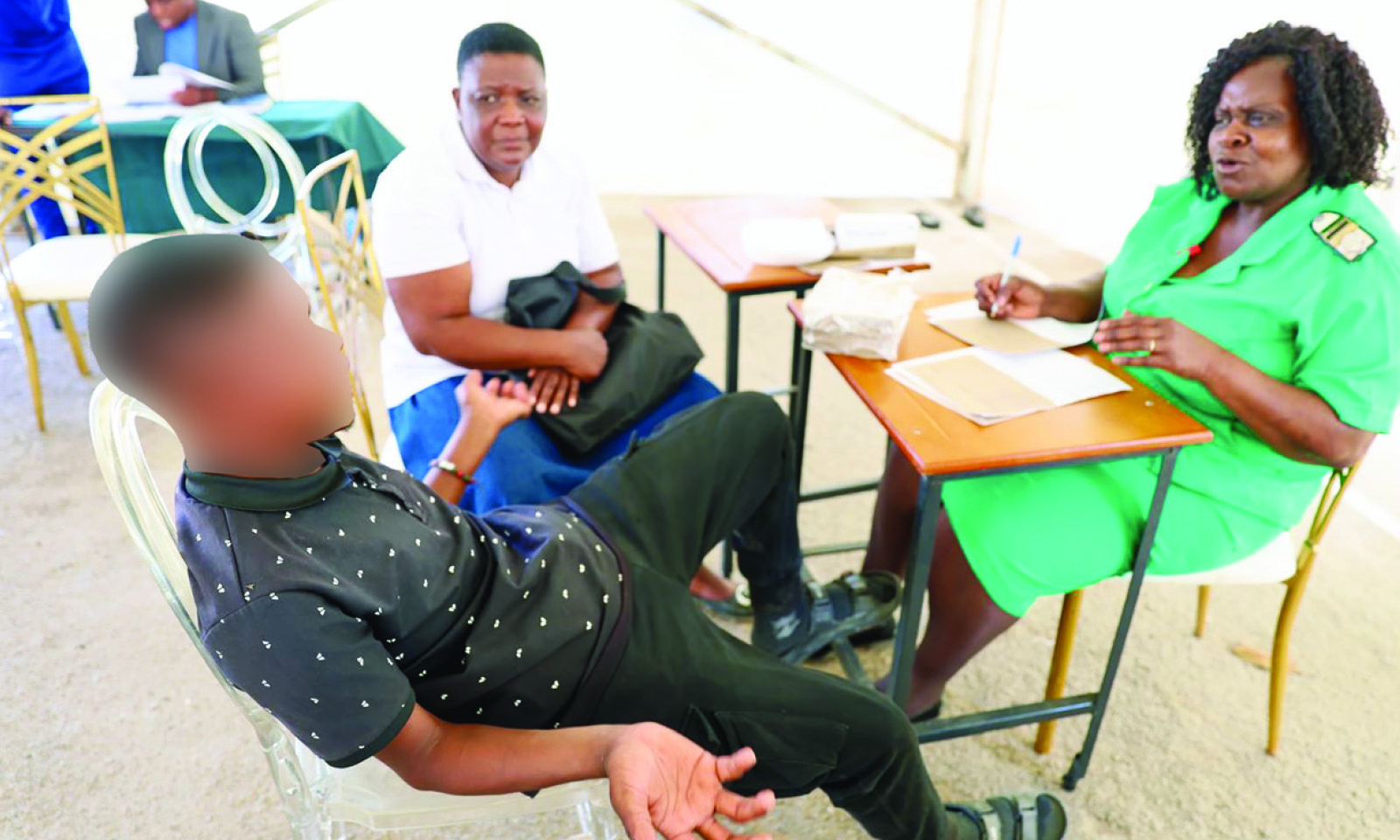
Disability Issues
Dr Christine Peta
Rehabilitation is often described in technical terms such as physiotherapy sessions, assistive devices, counselling programmes, but at its heart, it is a story of people and communities coming together to restore dignity, independence and hope.
When we speak of rehabilitation for persons with disabilities, we are not only talking about medical recovery.
We are talking about a journey of belonging, where communities learn to embrace diversity and individuals rediscover their strength. Imagine a young boy in a rural village who loses mobility after an accident. Without rehabilitation, his world shrinks to the four walls of his home.
But when the community rallies, when a local clinic provides physiotherapy, when neighbours build ramps to his school, when teachers adapt lessons to his needs, rehabilitation becomes more than therapy. It becomes a collective act of inclusion.
Community-based rehabilitation recognises that disability is not only about the body, but also about the environment.
A person may struggle to walk, but the real barrier is often the absence of accessible transport. A child may be deaf, but the greater challenge is a classroom where teachers are not trained in sign language.
Rehabilitation, therefore, extends beyond hospitals and clinics. It lives in schools, workplaces, churches and marketplaces.
It is about reshaping spaces so that persons with disabilities can participate fully in everyday life. Narratives from communities across Africa and beyond show how powerful this approach can be.
In many villages, community-based rehabilitation programmes have trained village health workers, community care workers and local volunteers to provide basic therapy, distribute assistive devices and create peer support groups.
These initiatives are not expensive, yet they transform lives. They remind us that rehabilitation is not charity, but solidarity. It is neighbours saying, “We will walk this journey with you.”
The psychosocial dimension of rehabilitation is equally important. Persons with disabilities often face stigma, isolation and discrimination. Community-driven rehabilitation challenges these attitudes by creating spaces of acceptance.
When a community celebrates the achievements of persons with disabilities, whether it is a child excelling in school or an adult starting a small business, it sends a powerful message: disability does not mean inability.
Rehabilitation becomes a narrative of empowerment, where individuals reclaim their identity and communities learn to value diversity.
Education also plays a central role. Inclusive schools are not just places of learning; they are hubs of rehabilitation.
Teachers who adapt lessons, classmates who offer support and parents who advocate for accessibility all contribute to the rehabilitation process.
In these spaces, children with disabilities grow up knowing they belong. They learn not only academic skills, but also confidence and self-worth. Rehabilitation, in this sense, is about nurturing the whole person.
Vocational rehabilitation adds another chapter to the narrative.
For adults with disabilities, the ability to earn a living is often the difference between dependency and independence.
Communities that provide training, microfinance opportunities and inclusive workplaces are writing stories of transformation.
A blind person who learns tailoring and a wheelchair user who starts a poultry project, are both testimonies to the power of rehabilitation when communities invest in inclusion.
Simple innovations, like using local materials to build mobility aids or organising peer support groups, demonstrate that rehabilitation does not always require large budgets.
It requires commitment, empathy and collective action.
Yes, Government and development partners provide frameworks and resources, but the heartbeat of rehabilitation is in the local community. Rehabilitation is not a service delivered from above; it is a movement built from within.
Rehabilitation restores abilities, but more importantly, it is about restoring hope and creating environments where persons with disabilities are not hidden away, but embraced as full members of society.
That way, communities are not only helping individuals heal; they are healing themselves, becoming stronger, more compassionate and more inclusive.
Rehabilitation, then, is not just a process. It is a narrative of humanity at its best.
Dr Christine Peta is a Disability, Public Health, Policy, International Development and Research Expert —she can be contacted on: [email protected].