Online Reporter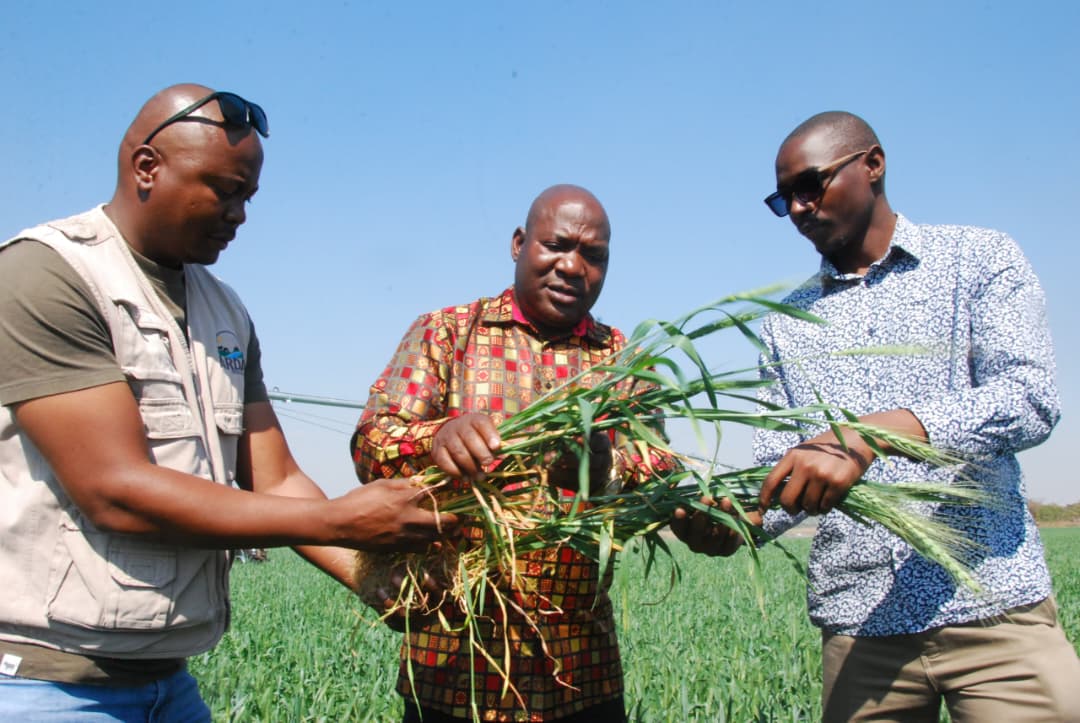
Theseus Mauruki Shambare
RELIABLE water and electricity supplies are emerging as critical pillars underpinning the Agricultural and Rural Development Authority’s (ARDA) drive to produce 325 000 metric tonnes of wheat this season, as Parliament commended the authority’s production model during an oversight tour of its farming operations.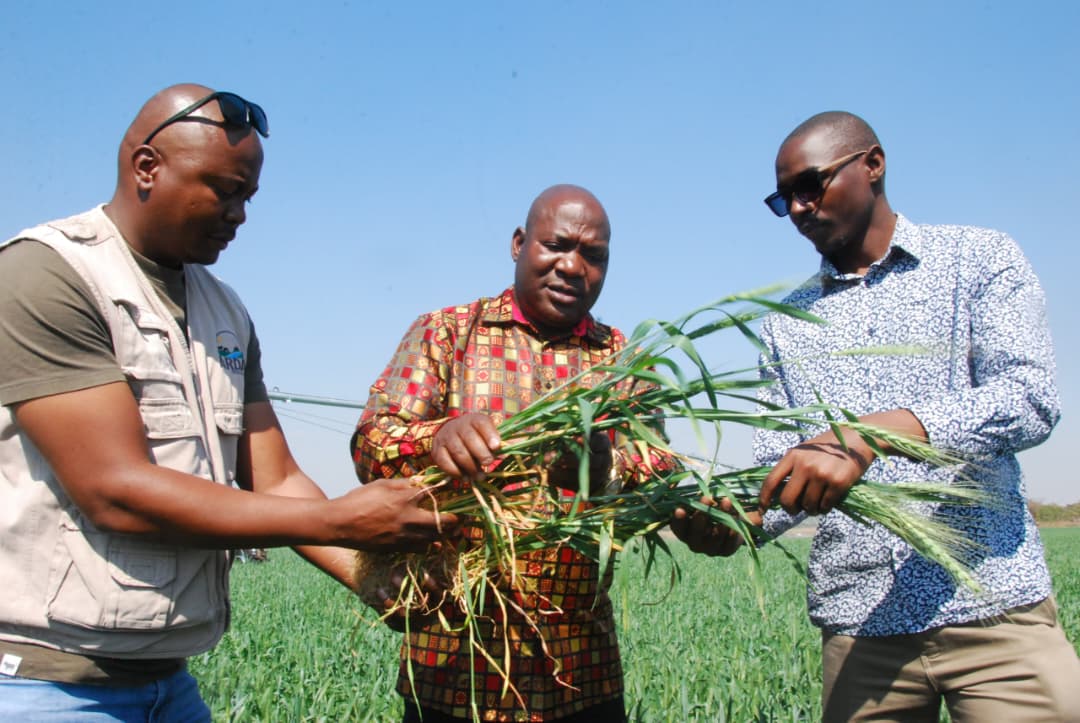
The Parliamentary Portfolio Committee on Lands, Agriculture, Fisheries, Water and Rural Development, which is conducting a nationwide assessment of ARDA estates, said uninterrupted utilities, coupled with comprehensive farmer support, were enabling strong crop performance under the authority’s joint venture programme.
The tour comes as ARDA executes its expanded Government mandate as Zimbabwe’s national food security agency, leading efforts to build the Strategic Grain Reserve through increased cereal production, irrigation development and partnerships with private farmers.
Committee chairperson Hon Felix Maburutse said lawmakers were impressed by the condition of wheat at a newly established irrigation scheme in Goromonzi, where a first-time wheat crop is showing promising yields.
“It is our second day. We are now in Mashonaland East Province where we have visited this farm and this is the first crop we are seeing on this farm in Goromonzi.
“The crop is looking very good and the farmer is expecting yields of 3,5 tonnes and above per hectare, which is very encouraging considering this is the first wheat crop,” he said.
Hon Maburutse said the committee was informed that farmers under ARDA’s production model receive support throughout the production cycle, from land preparation and input provision to technical advisory services, harvesting and grain delivery.
He said guaranteed access to water and electricity had also removed one of the biggest constraints to irrigated winter wheat production.
“The farmer explained to us that they are being assisted with inputs, technical services and almost everything else, including harvesting and delivering grain to the Grain Marketing Board. They have enough water and enough electricity,” he said.
Hon Maburutse said an arrangement involving the Grain Marketing Board allows proceeds from grain deliveries to settle water and electricity costs, helping farmers remain productive while meeting operational expenses.
ARDA Operations and Commercial Production Director Mr Shingirai Jenah said the authority was accelerating irrigation development under its Government mandate to become the country’s food security agent.
Speaking during the committee’s visit to a 50-hectare centre pivot under wheat in Mashonaland East, Mr Jenah said the project forms part of ARDA’s joint venture programme with farmers across the country.
“We are showcasing part of the work that ARDA is doing towards executing the mandate that we were given by Government of becoming the nation’s food security agent,” he said.
“We are expecting between 5,5 and six tonnes per hectare from this crop. This is a first-time crop under a new pivot, which forms part of our work in accelerating irrigation development and climate-proofing agricultural production.”
He said the authority had already surpassed its initial 150 000-metric-tonne maize contribution to the Strategic Grain Reserve and was now targeting another 150 000 tonnes from the current wheat season, before delivering a further 150 000 tonnes from the forthcoming summer cropping programme as Government builds food reserves against future climate shocks.
Mr Jenah said ARDA is targeting at least 75 000 hectares under irrigated maize during the next summer season, with the remaining hectarage devoted to traditional grains, while irrigation infrastructure is being expanded towards 25 000 hectares by 2030 to sustain production despite changing weather patterns.
He added that about 32 percent of ARDA’s production programme is financed directly by the authority, with the balance supported through bank-guaranteed financing arrangements that are enabling greater participation by commercial farmers.
A beneficiary of the programme, Munda Access director Mr Thabo Ruswa, said ARDA’s integrated support model had enabled his company to successfully establish 50 hectares of wheat.
“They assist us with everything we need for production, including fertilisers, agronomic support, land preparation machinery and combine harvesters during harvesting,” he said.
“They support us throughout the entire production process.”
The Parliamentary Portfolio Committee is expected to continue touring ARDA farms across the country’s rural provinces, with its findings set to inform recommendations on strengthening the authority’s contribution to national food security and the Strategic Grain Reserve.