Chronicle Editor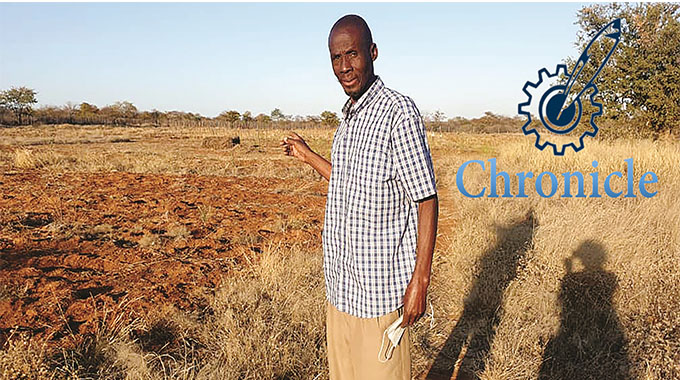
Sukulwenkosi Dube-Matutu, Chronicle Reporter
FARMERS at Baitsepile Farmer Field School in Gwanda need a reliable water source to irrigate crops all year round as rain fed agriculture is limiting their production.
The farmers established the field school in 2013 which has become one of the oldest and viable field schools in the province.
A farmer field school is a group-based learning process where farmers carry out experimental learning activities that help them understand the ecology of their farming practice. These activities involve simple experiments, regular field observations and group analysis.
The knowledge gained from these activities enables participants to make their own locally specific decisions about farming management practices.
This approach represents a radical departure from earlier agricultural extension programmes, in which farmers were expected to adopt generalised recommendations that have been formulated by specialists from outside the community.
Each farmer field school has between 10 and 30 members.
Baitsepile Farmer Field School has 15 members from Bethel Village in Ward 14. The farmers use their garden to experiment on the performance of different crops and learn new farming methods. They also try out a variety of seeds which they go on to grow in their personal fields.
In an interview, the secretary of the farmer field school, Mr Mekia Ncube said depending on rain was limiting the variety and amount of crops which they could produce.
“We have been operating the farmer field school since 2013 and we have learnt a lot about crop varieties and improved farming methods. The challenge we have is that our operations are limited as we rely on rain fed agriculture. This also limits the variety of crops that we produce,” he said.
“Our wish is to get a borehole dedicated to our garden where we can get water to produce throughout the year. We also wish to engage in horticulture as well. If we could have water, we could use the farmer field school to experiment on the variety of nutritious crops that we can grow,” he said.
Mr Ncube said this will enable the farmers to expand their school into a business enterprise.
A member of the farmer field school Ms Virginia Moyo said the garden could be utilised to feed families and supply nearby villages with nutritious food. She said if the garden could produce throughout the year, it could accommodate more farmers.
Matabeleland South acting provincial agricultural director rural development services, Mr Mkhunjulelwa Ndlovu said Baitsepile Farmer Field School members had a lot of potential and with access to resources they could record good produce.
“At the moment the garden is operating as a field school where farmers get to learn various farming methods and techniques. The garden can also serve as a business for the farmers where they can grow a variety of crops throughout the year. It can also become a reliable food source for the community,” he said.
“The farmers have been doing well under the farmer field school and it’s one of the oldest and most viable field schools in the province. Some field schools were established but collapsed due to lack of commitment from farmers but Baitsepile Farmer Field School members have remained committed.”
Farmers in Matabeleland South Province have formed more than 150 field schools which have helped equip them with practical solutions to increase produce.



 Online Reporter