admin
admin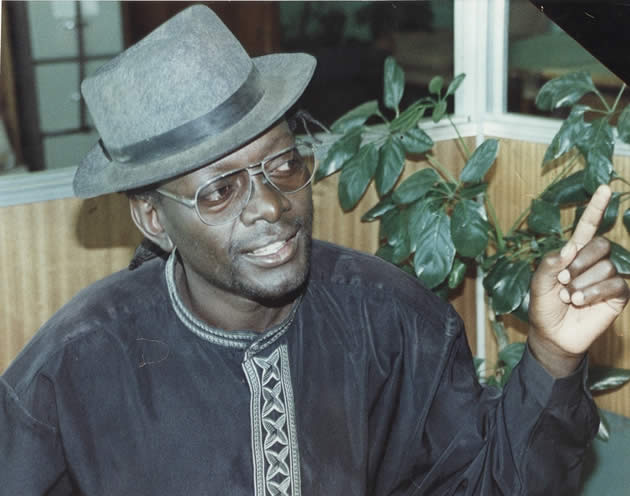

Jonathan Mbiriyamveka Entertainment Reporter
The late Chimurenga singer Robbie Chagumuka will be best remembered as an artiste who tried to push his brand but with little or no recognition. Promotion-wise, he was never a favourite of local promoters while fans were a bit unfair not to give him his due credit. The problem was that no matter how good he was people could not help but compare him to the legendary chimurenga Dr Thomas Mapfumo.
The reason being that besides hailing from the same home area in Guruve, Mwachewe’s music was seen as a carbon copy of Dr Mapfumo. At one time Dr Mapfumo released “Big in America” and Mwachewe also had his album called “Big In Zimbabwe”.
While Dr Mapfumo’s music was known as chimurenga, Mwachewe called his chimurenga vadzimba.
He argued that chimurenga vadzimba was the music sung by his forefathers – at biras and music which was performed before his forefathers went hunting.
He once said: “It is not my intention to sound like any other musician as some uninformed people would like to believe.”
So today we look back at probably one of the illustrious singers of chimurenga who despite their short stint on the music, he left an indelible mark on the music scene.
Affectionately known by his ardent fans as Mwachewe, Chagumuka was from a chieftainship family in Guruve which he refused to inherit leaving it to his uncle in preference to chimurenga music.
While some say that he was born on March 2, 1961 and others claim he was born on September 2, 1963, Mwachewe had a fantasy to become a “true hero” though not sure of what exactly he meant by that perhaps he wanted to leave a music legacy.
Career-wise Mwachewe was a businessman and a musician. However, due to his love
for music he considered himself first and foremost a musician rather than a businessman.
This he said, was because he spent most of his time on stage than in the office.
Mwachewe did his primary education at Kondo School in Mvurwi before he went to Mvurwi Secondary School and then Goromonzi High School. He was a choirmaster at Kondo School where he won several awards in the singing category.
After completing his secondary education, he worked as a temporary teacher at a number of schools in his home area. Bored by teaching, Mwachewe soon trained as an air traffic controller with the Department of Civil Aviation.
Unsatisfied by directing planes, Mwachewe left the department and worked as an anti-corrosion engineer for a local company.
He soon left the country to study anti-corrosion engineering at an Anti-corrosion Institute in Johannesburg, South Africa. After graduation he then formed his own company – Robbie Sand Blasting.
During the three-year programme in South Africa, Mwachewe took a sabbatical on stage to focus on his studies.
However, he never stopped composing songs. His music career actually started in 1995 with the release of his debut album “Chakanaka Chinozvara Chakanaka”. His second album was “Magariro” 1999, “Temba Nechako)” which featured the chart topper “Changamire”. The song had an addictive hook which went like “Chingwa Chadhura torarama sei, isu, torarama sei? Changamire wangu”.
In 2003, Mwachewe released the album “Magariro – Nhaka Muchandiona”, a rather threatening title in which he fired a warning shot as a force in the chimurenga genre.
He bounced back on the music scene
with his fourth album titled “Big In Zimbabwe” which caused quite a stir on the music scene.
The appeal of his music was based on real life stories or something that one believes in. And he chose the traditional beat which was dear to his heart.
Outside music, Mwachewe was a philanthropist who staged several benefit shows in Harare and the southern African region.
In between albums, Mwachewe toured Europe, South Africa and Mozambique.
Mwachewe died in January 2006 at Saint Paul’s Musami Mission Hospital in Murewa after complaining of stomach pains at the age of 44.
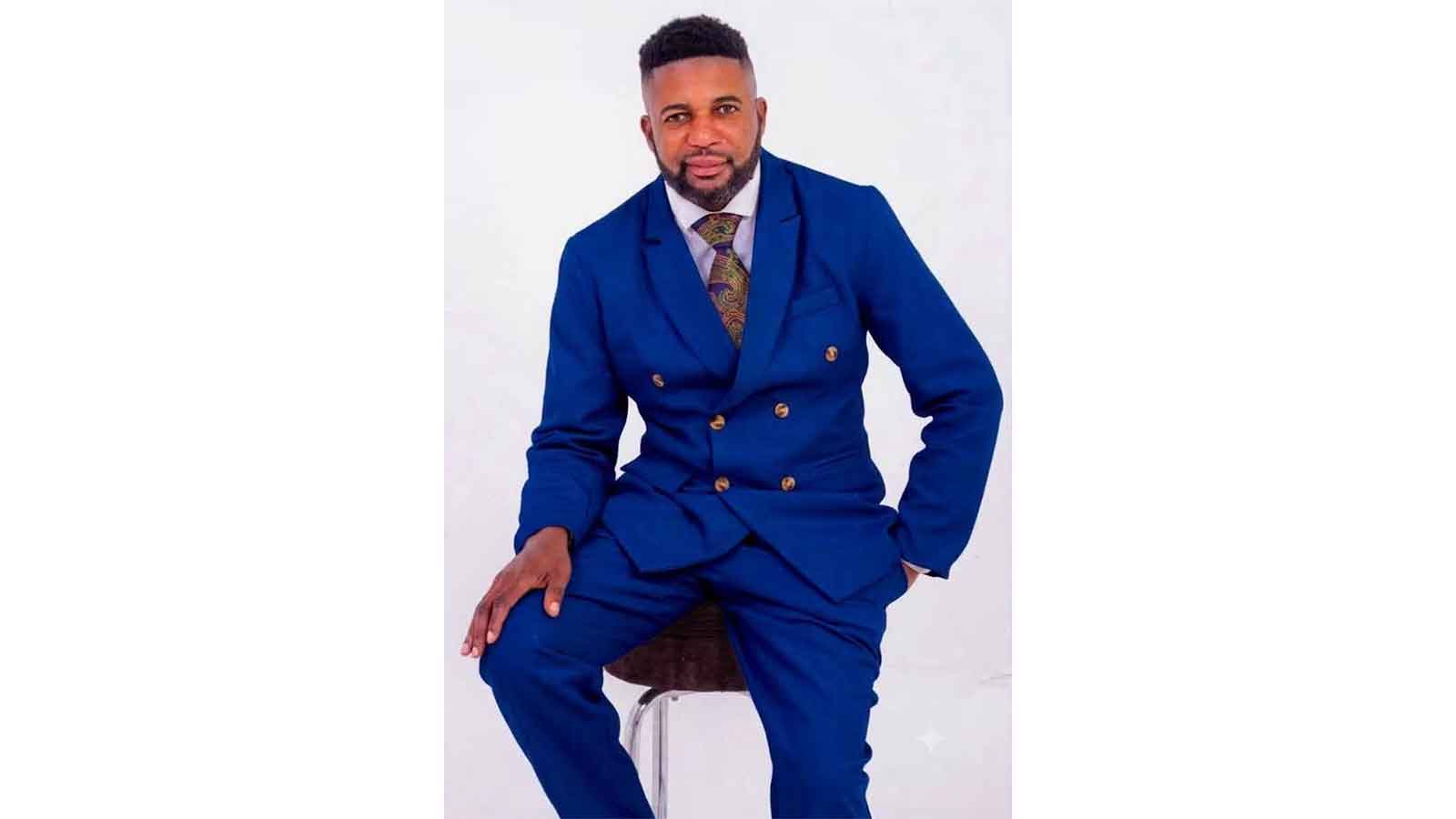
His son Benedict tried to revive Mwachewe’s music when he took over the reins of the Black Heroes the band that backed his late father.
He started off by recording his father’s unfinished album called “Chinyakare -Traditional Music Experience”. The eight-track album touched on social issues especially on happy-go-lucky number “Mangoma”.


 Online Reporter