admin
admin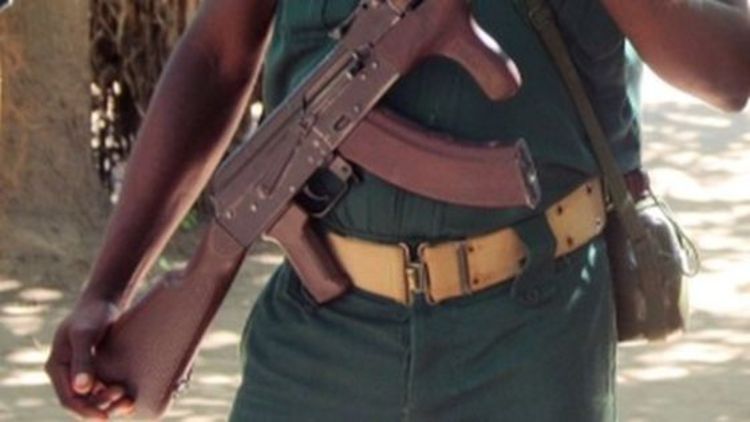
Kuda Bwititi Chief Reporter
The Zimbabwe Government is closely monitoring attacks by Renamo bandits in Mozambique and is sharing information with authorities there to thwart any threats to the country. The bandits, led by Mozambique opposition leader Afonso Dhlakama, have been fighting President Filipe Nyusi’s forces after scuttling a power-sharing agreement citing “an unfair governance system”.
Renamo (the Mozambican National Resistance) has been targeting vehicles and villages in Tete and Manica, both provinces close to the Zimbabwe-Mozambique border.
Defence Minister Dr Sydney Sekeramayi told The Sunday Mail that the security sector would continue to protect citizens and Harare’s economic interests, including access to the Indian Ocean.
“We have been having talks with our counterparts in Mozambique from time to time, and remain alert to what is happening there. If there is any need to protect our interests and our citizens, we will take the necessary action.
“Our position is that if there is any threat to our access to the sea through the Mozambique border, we will take the necessary measures to protect our interests. We are monitoring the situation and will remain in contact with authorities in Mozambique. However, there is no need for that at the moment,” said Dr Sekeramayi.
State Security Minister Kembo Mohadi weighed in, “Security-wise, there is no big threat at the moment. We will, however, keep monitoring the situation.”
Renamo was created by the Rhodesian Central Intelligence Organisation shortly after Mozambique’s independence in 1975 to destabilise President Samora Machel’s Frelimo government which strongly supported Zimbabwe and South Africa’s independence struggles.
Renamo blew up key infrastructure and killed villagers, leading to a fully-fledged civil war (1977-1992) that ended with a power-sharing agreement. At the peak of the war, many Zimbabweans were killed, and when the country gained independence in 1980, Renamo aligned with South Africa’s apartheid regime.
In 2014, Dhlakama refused to accept Frelimo’s electoral victory, once again resorting to arms. This was after Mozambique’s then President, Cde Armando Guebuza, signed a deal with Dhlakama which included integrating Renamo forces into the army and tweaking the electoral commission.
United Nations agencies report that thousands of Mozambicans have fled to Malawi, with more likely to migrate to other countries, including Zimbabwe, because of the Renamo threat.


 Online Reporter