


 Chronicle Editor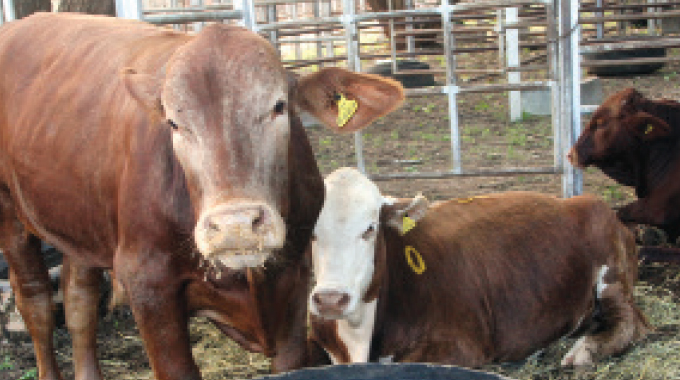
ONE of the frequent questions I encounter as I interact with smallholder livestock farmers is about repeat breeders.
These are cows that continuously come back on heat despite being serviced by a bull. This seems to be a very common phenomenon among smallholder communal livestock farmers as one hardly goes through a meeting with farmers without that question being raised.
This week we attempt to provide possible answers to the causes of this condition. There are a number of causes that can result in repeat breeders in your herd. One major cause of cows continuously coming back on heat even after exposure to the bull, is uterine infection.
An infection of the uterus can cause embryo mortality resulting in the cow going back into cycle. A healthy uterus will facilitate the normal life cycle of conception, gestation and calving and any interruption of this process may result in repeat breeders.
The other cause could simply be due to anatomical defects of the reproductive tract of the cow. Any form of reproductive defects, especially congenital ones can result in malfunctioning of the reproductive process causing gestational failures and repeat breeding.
In some cases, cows develop cysts such as ovarian cysts which interfere with hormonal secretions and balances. Some of the cysts could be secreting hormones that causes a cow to keep going back on heat.
It has also been observed that age predisposes cows to repeat breeding, with older cows being more prone to repeat breeding than younger ones. Nutritional stress or deficiency has also been known to contribute to cows continuously coming back on heat.
It is important to ensure that your cows are on a good plane of nutrition so that they achieve a good body condition score to enable them to go on heat, get serviced and conceive. Nutrition is therefore of paramount importance when it comes to the management of reproduction in your herd. Your cow may also be failing to conceive because of poor semen quality from your bull especially if your bull has fertility issues of its own.
It is important to make sure that your herd sire is put on a good health management protocol. The cow may also be of poor fertility disposition because of a number of reasons including congenital disorders that have already been alluded to above.
Since the causes of repeat breeding are many, it is not easy to recommend a solution but it is important for livestock farmers to consult their local veterinary officer who will be able to make an assessment on a case by case and provide suitable solutions.
However, on a generic scale, it is important to ensure that you have a very comprehensive animal health management process to ensure that your cows are free of reproductive diseases or disorders that are treatable. One has also to implement proper reproductive management and breeding strategies that promote effective and successful breeding.
Animal nutrition as already hinted above, should also make up for good animal husbandry practices. Animals of poor nutrition get predisposed to a lot of unfavourable conditions and diseases. Livestock farmers should thus prioritise the nutritional demands of their animals because there is an established nexus between animals on a good plan of nutrition and their reproductive performance.
It is not a coincidence that a year of good rains and pasture development produces a lot of calves for the farmer. It is simply because the nutritional status of the animals in that particular year will be greatly improved resulting in improved reproductive performance of the herd. Another important aspect, which however is not very common among most livestock farmers, is to conduct tests for their animals.
It is important to get a veterinary doctor to come and do reproductive tests in your herd, once in a while so that some problems can be flushed out. Bulls can undergo what is called a breeding soundness test, to ascertain their ability to breed. In simple terms, farmers should make it a practice to check regularly for reproductive challenges within their herds and have these addressed by competent personnel.
Uyabonga umntakaMaKhumalo.
Mhlupheki Dube is a livestock specialist and farmer. He writes in his own capacity. Feedback [email protected] cell 0772851275.


 Online Reporter