Chronicle Editor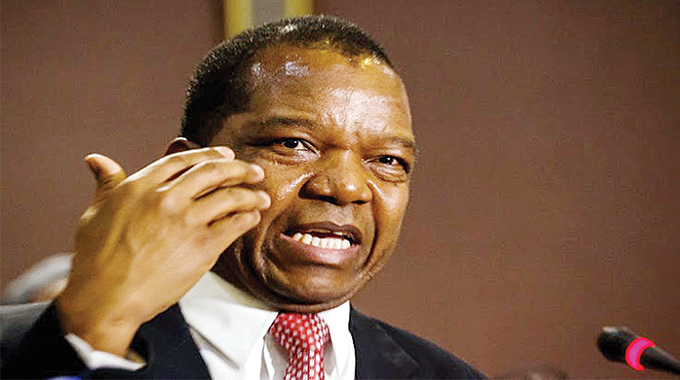
Oliver Kazunga, Senior Business Reporter
THE country’s reserve money supply growth continues on a downward trend with official data indicating a 11,5 percent decline to ZW$11,81 billion as at August 14, 2020 from ZW$13,35 billion in the previous week.
Reserve money refers to currency in circulation and deposits with banks. Generally, a decline in reserve money growth is an indication that the country is moving towards lowering inflationary pressures.
Following the introduction of the foreign currency auction system towards the end of June this year, Zimbabwe is moving towards stability of the exchange rate which is also stabilising prices of goods and services.
In an update on reserve money released recently, Reserve Bank of Zimbabwe (RBZ) said:
“Reserve money continued on a downward trend, falling further to ZW$11,81 billion on 14th August 2020, from ZW$13,35 billion recorded on the 7th of August 2020, largely reflecting a decrease of ZW$1,05 billion in banks’ liquidity (banks balances at RBZ).”
Other deposits at the Reserve Bank also declined by ZW$696,23 million over the week under review. In his 2020 mid-term monetary policy statement announced last week, RBZ Governor Dr John Mangudya said the forex auction trading system has brought some positive developments in the financial market. In response to the volatility in the pricing of goods and services due to the rising parallel exchange rate premium, the Apex Bank replaced the fixed exchange rate system with the forex auction system.
“Since its introduction on 23 June 2020, a total of US$137,4 million has been allotted against bids for US$157,8 million at the end of 9th auction on 18 August 2020,” said the Governor. He noted that effectively the auction system has to date served 87,1 percent of the formal foreign exchange market demand. Total foreign currency allotments have ranged between US$10,3 million and US$18,8 million per auction.
“The foreign exchange auction system has greatly assisted in improving transparency in the foreign currency market and has facilitated the discovery of a market-based exchange rate. In addition, the system has been critical in fostering exchange rate and price convergence over time,” said Dr Mangudya.
“The dispersion between the highest and lowest bid rates on the auction system has been converging towards the weighted average exchange rate while the parallel market premium has remained suppressed.”
Dr Mangudya said the dispersion between the highest and lowest bid rates, which was around 75 points at the beginning of the auction had fallen to about eight points after the ninth auction. In the first quarter, the Central Bank announced that it would maintain a tight monetary stance targeting reserve money growth not exceeding 15 percent by the end of the year.
This is meant to improve exchange rate stability as well as taming inflationary pressures, which are often linked to growth in money supply. The monetary authority has attributed the growth in money supply in 2019 to subsidies on fuel, electricity, grain and Government expenditure. — @okazunga.



 Online Reporter