Vusumuzi Dube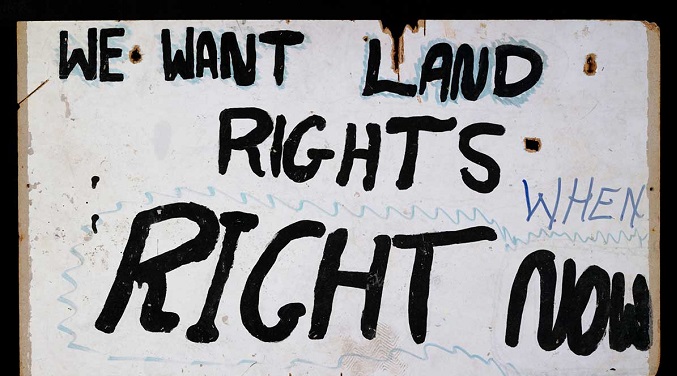
Nothando Zondo, Sunday News Reporter
RESIDENTS of Bulawayo’s historic suburbs, including Makokoba, Mzilikazi, Iminyela, and Mabuthweni, are raising their voices in concern over the pressing need for more organizations to advocate for the rights of the elderly, particularly regarding access to land.
This comes amid revelations that past youth-led initiatives have been quashed by authorities through arrests, intimidation and disappearances, as they were perceived as using the advocacy works to campaign for the opposition.
With the urban living conditions becoming increasingly expensive, community members are calling for communal spaces where seniors can grow crops and find a place to retire peacefully.
One resident, who wished to remain anonymous, expressed the urgency of the situation: “Most of the elderly need communal areas where they can cultivate crops and have a place to live out their retirement. The urban setup is just too costly for them.”
This sentiment underscores the growing frustration within these communities, where the aging population feels their needs are being neglected.
Residents are calling for more non-governmental organizations and community leaders to spearhead advocacy campaigns.
“We’ve noticed a significant lack of representation, especially given that the majority of people in these suburbs are elderly,” the resident added. The absence of organized efforts has left many feeling vulnerable and unheard.
Others in the community recalled the previous attempts by local youths to advocate for these rights.
“There were many young people who tried to stand up for the elderly, but they were either frustrated or forced out after being labeled as political activists,” one resident remarked. “Many were later perceived to be linked with the Mthwakazi Republic Party, which also fights for similar rights.”
These community leaders, who residents said included Gadlela, Sadao David, Sluma, Taffie Chigumira, and Mthulisi Mo, not only advocated for land rights but also engaged in activities like gardening and cleaning the yards of the elderly, all for free.
The revealed that in most cases they did not know their full names.
“These youths were strictly apolitical and went by the slogan ‘minda yevakwegura’ because their goal was to empower the elderly,” the resident emphasized.
However, their altruistic efforts drew the ire of the ruling Zanu-PF party, which accused them of misleading the elderly into voting for the opposition.
This led to a crackdown, with many youths facing intimidation from authorities. Reports indicate that several were arrested, beaten, and released, while others have gone missing under mysterious circumstances.
In an effort to uncover the fate of these missing youths, reporters visited the homes of some who have not been seen for weeks.
One relative shared their deep concern, stating, “We are worried about their safety and whereabouts. They were not involved in politics; they only wanted to help the elderly in our community.”
The relative revealed that after the disappearance of these youths they were now also being targeted, with authorities constantly questioning on their whereabouts.
“Our lives have been turned upside down, various law enforcement agencies are constantly visiting us, claiming our children are wanted for treason. We are always harassed as they claim we are hiding them, but genuinely we do not even know where they disappeared to. We cannot even report to the police that they are missing, we are between a rock and a hard place,” said the relative.
Another resident echoed these sentiments, revealing that some of the youths had faced threats of treason from authorities. “These young people were simply trying to do good, but they were targeted because they were seen as a threat,” they lamented. “Some have just vanished without a trace.”
As the situation unfolds, residents of Makokoba, Mzilikazi, Iminyela, and Mabuthweni are calling for immediate action to ensure the safety of community advocates and to establish stronger representation for the elderly.
The need for advocacy and support has never been clearer, as the community grapples with both economic challenges and the looming threat of political repression.


 Online Reporter