

 admin
admin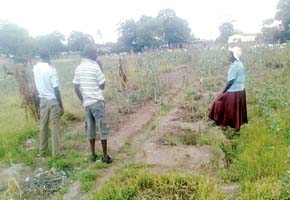
Speaking during a research seminar at the Institute of Development Studies at Nust last week, a researcher, Mr Mkhokheli Sithole, said residents should effectively utilise community gardens in order to meet household food needs.
Mr Sithole said research was done in high-density suburbs of Magwegwe North, Nketa and Nkulumane in Bulawayo and its findings were encouraging.
“Food security can be attained through effective utilisation of community gardens which supply families with fresh vegetables that include rape, cabbage, spinach, tomatoes, onions, butternuts, peas and beans,” said Mr Sithole.
He said vegetables from community gardens have a ready market from vendors who buy in bulk for resale.
“Through selling of their produce, community gardens act as a safety net for low-income households. The farmers will use their profits to meet other basic costs,” he said.
Mr Sithole said 80 percent of the respondents in the research depended on vegetables from the gardens although statistics show distorted gender distribution since men decline to practise farming maybe due to the belief that women are supposed to bring food home. Most of the urban gardeners are vulnerable groups like orphans, widows and elderly women.
“Community gardens face numerous challenges since Bulawayo is located in a dry region with an average rainfall of 400-600 mm per year. Residents are forced to resort to using untreated sewage water raising concerns of food contamination.
“The residents also face economic challenges that include difficulties in accessing loans for inputs due to lack of collateral. Vandalism and crime pose a threat to residents since fences and steel gates have been cut and stolen resulting in theft of vegetables,” said Mr Sithole.
Community gardens were set up by government in the 1990s after research showed that families were failing to keep pace with the rising cost of fresh food.
Mr Sithole urged government to craft policies that assist in the training of residents to acquire knowledge and skills in producing, processing and marketing their produce.



 derick.khumalo
 Online Reporter