admin
admin
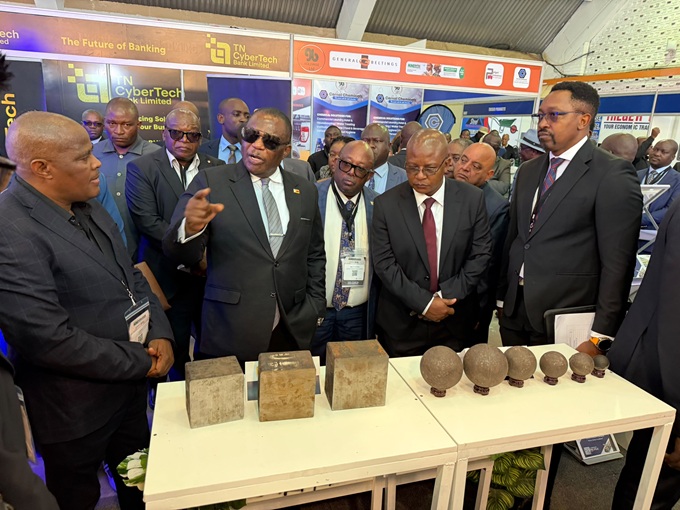
The conference, in its fourth year-running and organised by Utho Capital, is scheduled to take place in Harare from 12 to 14 September alongside a mining exhibition.
“Over the years, the indaba has profiled Zimbabwe as a viable mining investment destination, provided a forum for Government and other stakeholders to present their strategies for growing the mining sector, as well as providing an opportunity to interact with potential investors.
“This year, the main objective of the indaba is to position Zimbabwe as the hub of Africa as we strongly believe in the potential of Zimbabwe as a powerhouse in the mining sector and an infrastructure hub in the region,” said Utho Capital group chief executive Ms Sheila Galloway.
She said preparations for the event were progressing well with a programme of high profile local, regional and international speakers having been prepared.
“The mining indaba at the Harare International Conference Centre will showcase a panel made up of representatives from regional chambers of mines to discuss key issues that are impacting the mining sector in Africa.”
This year’s theme will be: “Improving Mining through Continuous Dialogue, Infrastructure and Financing”.
Issues to be discussed include developing strategies that will make the mining sector contribute to stopping Africa from being an impoverished continent as well as sharing ideas and paving way for collaborative strategy for mining in the region.
Local mining policy, regional cooperation and integration, infrastructure and finance will also be discussed.
“The panel will feature the Chamber of Mines of Zimbabwe president Mr Winston Chitando, Ghana Chamber of Mines chief executive officer Dr Toni Aubynn, Botswana Chamber of Mines chief executive officer Mr Charles Siwawa, the Democratic Republic of Congo Chamber of Commerce chairman Mr Thiery Naweji Kankwala and Zambia Chamber of Mines general manager Mr Frederick Bantubonse,” she said.
There will also be a coal session expected to showcase junior miners in the coal industry.
Ms Galloway said that the mining sector could not be discussed in isolation as two other key factors were infrastructure and finance.
Against this background, she said, the other highlights of the indaba will include a discussion on challenges in recruiting, building expertise and skills in the mining sector as well as strategies on how best to attract Zimbabweans in the diaspora back.
“Discussions will also be centred on regional integration of infrastructure, addressing issues of power and energy, transportation and communication as well as the development of regional infrastructure corridors and developing sizeable infrastructure projects.
“Focus will also be on Zimbabwe’s resilient banking sector. The discussion will feature AfrAsia Kingdom Zimbabwe founder and director Mr Nigel Chanakira, BancABC group chief risk officer Dr Blessing Mudavanhu and FBC chief executive officer Mr John Mushayavanhu.”
She said the Zimbabwe Mining indaba had also attracted a number of exhibitors active in the mining, infrastructure and finance sectors such as mining houses, suppliers to the mining industry, and financiers.
According to Ms Galloway, the conference has since its inauguration grown in reputation and stature due to its ability to encourage stakeholders to engage directly and address real issues affecting investment in growth and development of the mining sector.
Last year’s indaba highlighted the need for improvements in the key enabling sectors of power and rail and it was suggested that the promotion of public private partnerships was the panacea to address key challenges affecting the mining industry.


 Online Reporter