Online Reporter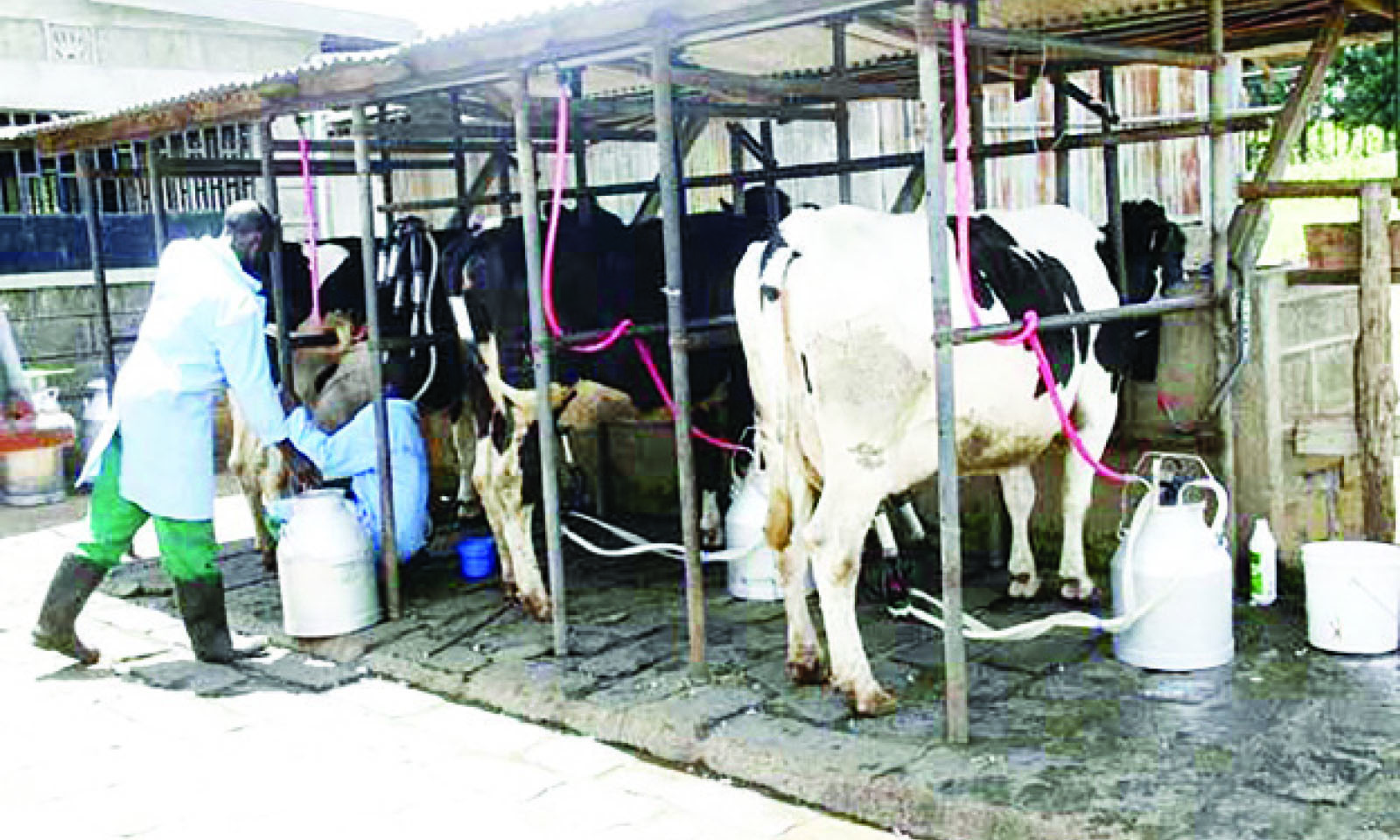
Innocent Mujeri
THE recent approval by Cabinet of a comprehensive review of licences, permits, levies, and fees represents a watershed moment for Zimbabwe’s economic landscape.
This decisive move, following a directive from President Mnangagwa, goes beyond mere policy adjustment – it signals a fundamental shift in how Zimbabwe intends to position itself as a competitive investment destination while stimulating domestic business growth.
At its core, this initiative demonstrates Government’s recognition that excessive bureaucratic burdens and unpredictable fiscal policies have for too long stifled entrepreneurship, discouraged foreign investment, and constrained economic expansion.
The focus on agriculture — particularly livestock, dairy farming and stockfeeds — is especially strategic given this sector’s pivotal role as both an economic mainstay and employment generator.
When farmers and agribusinesses face multiple, often overlapping levies, the cumulative effect is increased production costs that make Zimbabwean goods less competitive regionally and internationally.
By streamlining these charges, the government is effectively reducing input costs across the value chain.
This should translate to more affordable food prices for consumers, improved profit margins for producers, and enhanced export competitiveness — creating a virtuous cycle that benefits the entire economy.
Beyond agriculture, the broader implications of this levy review cannot be overstated. Zimbabwe’s business environment has historically been hampered by complex, costly compliance requirements that disproportionately affect small and medium enterprises.
These businesses, which form the backbone of employment and local economic activity, often operate on razor-thin margins. When confronted with numerous licences and permits each carrying their own fees, many entrepreneurs are forced to choose between operating informally or shutting down completely.
The current reforms present an opportunity to reverse this trend by creating space for more businesses to formalize, access financing, and contribute fully to the tax base while enjoying the protections of operating legally.
The connection between these fiscal reforms and ease of doing business improvements is particularly crucial. International investors consistently cite predictability, transparency and reasonable compliance costs as key determinants when selecting investment destinations.
Zimbabwe’s previous low rankings on global ease of doing business indices have reflected challenges in these exact areas.
By systematically addressing licensing and fee structures, the Government is sending a clear message about its commitment to creating an environment where businesses — whether local startups or multinational corporations — can plan with greater certainty and operate with improved efficiency.
This policy shift also arrives at a critical juncture for Zimbabwe’s industrialisation agenda. Manufacturing sectors struggling with high production costs stand to benefit significantly from reduced regulatory expenses.
When businesses spend less on compliance, they can redirect those resources toward productivity enhancements, workforce expansion, or market development.
The multiplier effects of such reinvestment can be substantial, potentially creating thousands of jobs and stimulating ancillary industries.
Moreover, simplified procedures reduce opportunities for corruption that often emerge in overly bureaucratic systems, thereby improving Zimbabwe’s governance indicators.
However, the success of these reforms will ultimately depend on implementation. History has shown that even well-conceived policies can falter without consistent execution.
Three key factors will determine outcomes:
The reforms must be accompanied by widespread sensitisation to ensure businesses actually experience reduced burdens rather than facing new fees under different names.
Government agencies must align their operations to the new framework, eliminating any residual bureaucratic inertia.
Ongoing monitoring and evaluation mechanisms should be established to identify and address any unintended consequences promptly.
Looking ahead, these changes could mark the beginning of a new economic era for Zimbabwe.
As businesses regain confidence in the operating environment, we should expect to see increased formalisation, greater investment flows, and improved competitiveness across sectors.
The agriculture focus is particularly promising given its potential to boost food security and export earnings simultaneously. When farmers pay fewer levies on stock feeds, for instance, their cost of production decreases, allowing them to either reduce consumer prices or improve their margins – both outcomes being economically beneficial.
Ultimately, this levy review represents more than fiscal housekeeping – it’s a strategic recalibration of Zimbabwe’s economic governance approach.
By reducing the cost of doing business, the Government is effectively transferring resources from compliance expenditures to productive investment.
In doing so, they are laying foundations for sustainable growth that benefits businesses, workers and the national economy alike.
The true measure of success will be whether these changes translate into tangible improvements in business viability, job creation and living standards in the months and years ahead.
The path forward is clear: consistent implementation of these reforms, coupled with complementary policies that address other business environment challenges, could finally unlock Zimbabwe’s full economic potential.
As the Government moves forward with these changes, maintaining open dialogue with the private sector will be essential to ensure the reforms achieve their intended impact while remaining responsive to emerging business needs.
This collaborative approach between policymakers and economic actors may well become the blueprint for Zimbabwe’s economic renaissance.