admin
adminprojects, despite a critical power shortage in the country.
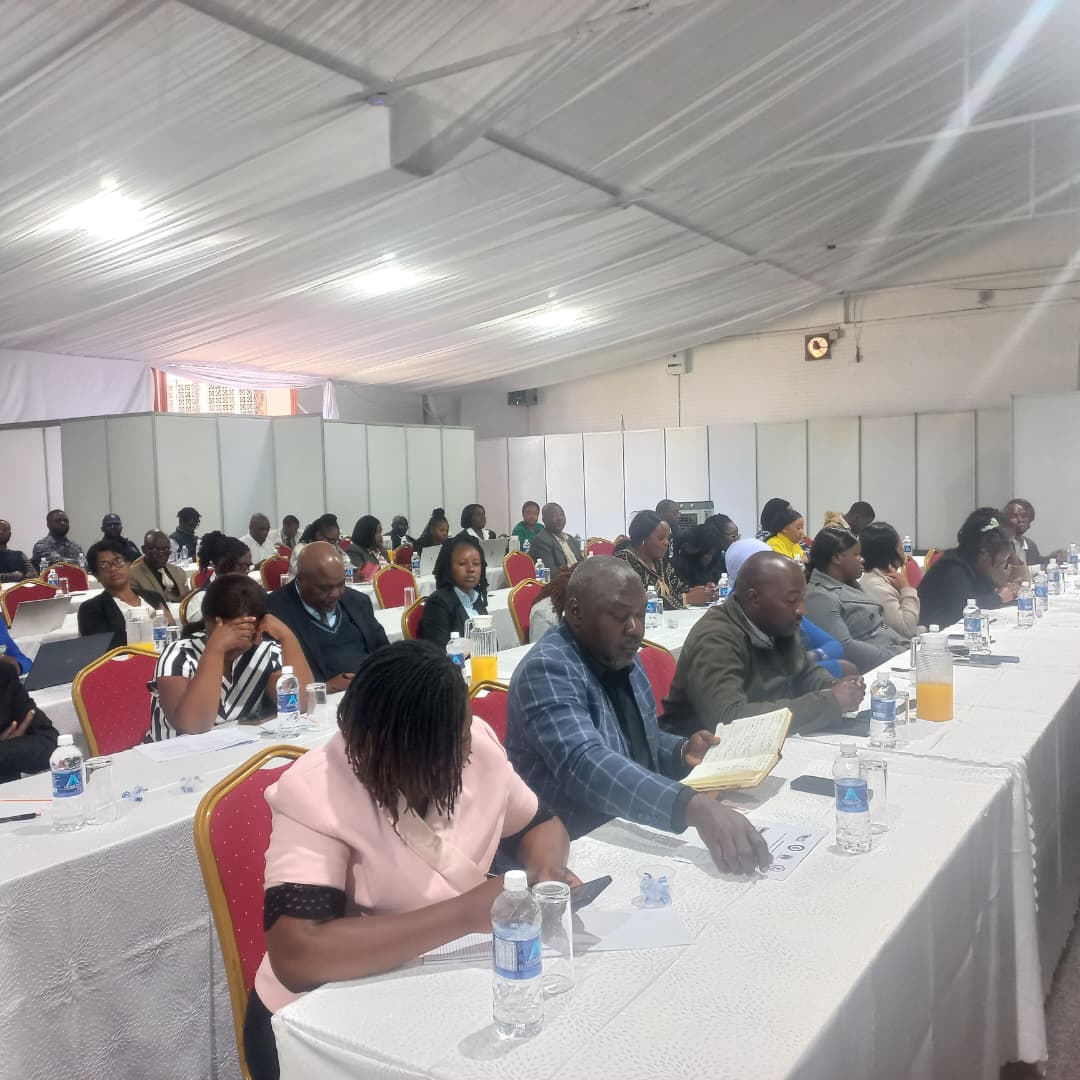
This was one of four main resolutions that were passed at the end of the Confederation of Zimbabwe Industries congress in Victoria Falls late last month.
“Government must revoke unutilised licences on power projects and issue them on the basis of timelines and financial plans among other considerations,” CZI said.
This comes amid revelations that Government has issued 13 licences to independent power producers, but none has started on any project while the country continues to face crippling power deficits.
Zimbabwe is currently able to generate between 1 200 megawatts and 1 400 megawatts a day against national power demand of 2 200 megawatts.
Despite all this, heavy consumers of electricity are not allowed to import power directly from other regional utilities with surpluses.
They are being forced to pay US$0,14 cents per kilowatt hour to get uninterrupted power supply from Zesa Holdings, which argues the tariff is comparable to rates charged by regional utilities.
It is against this background that CZI contends there is “need to allow the (direct) importation of power by private companies” to alleviate shortages.
The industrial representative body also said Government “preoccupation with feasibility studies should not delay power generation projects”.
CZI is perturbed by the fact that Government has taken long to make moves to access infrastructure funds pledged by China Development Bank.
These were availed to fund expansion of Hwange Thermal Station unit six and seven and the Kariba South Hydropower Station on the Zambezi River.
Zambia has reportedly accessed funding under the facility and has started work to increase power generation at Kariba North.
CZI also wants the Government to appoint an independent power regulator and to return small thermals to local authorities on the basis of their capacity to increase power generation capacity of the plants.
CZI contends there should also be a review of labour laws so that they are more flexible and improve the competitiveness of business while remuneration adjustments must be linked to productivity.
In addition, CZI said arbitrators should work within productivity- linked wage structures as high wage costs were constraining viability.
CZI also called for recognition of “the contribution by banks and NSSA to reduce lending rates back to 15 percent and below, we urge them to continue to reduce towards LIBOR plus 5 percent”.
The National Social Security Authority has so far extended US$180 million to banks for support to productive sectors of the economy amid revelations that 90 percent of listed firms have benefited from these funds.
CZI will also implore Government to allow genetically modified organisms in locally manufactured goods to lower the cost of production.
Use of GMO raw material is banned in Zimbabwe although imports of finished goods made from GMOs are allowed.


 Online Reporter