

 Online Reporter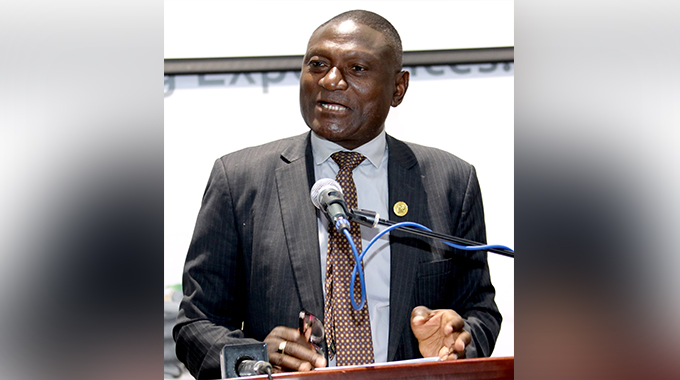
Sukulwenkosi Dube-Matutu, [email protected]
THE Rural Infrastructure Development Agency (Rida) has significantly improved access to safe and reliable water in Matabeleland South Province after sinking and rehabilitating more than 150 boreholes this year, marking a major milestone in Government-led inclusive development efforts targeting previously marginalised rural communities.
Beyond water provision, Rida has also upgraded over 600 kilometres of rural roads and constructed or rehabilitated 14 bridges, improving connectivity, access to markets and essential services across the province.
Speaking through the agency’s chief director for support services, Mr Owden Nhimura, during the Matabeleland South Rida Employee Awards ceremony, Rida Director-General Mr Christopher Shumba said the interventions were part of a broader infrastructure development drive aligned with national priorities under the National Development Strategy 1 (NDS1).
“Our water infrastructure programme has focused on drilling and rehabilitating boreholes, constructing piped water schemes and developing dams to enhance water security for both domestic and irrigation use,” he said.
Mr Shumba highlighted several flagship projects completed in the province, including the Halisupi piped water scheme in Gwanda and the Gonde–Matiwaza piped water scheme in Matobo.
“We also carried out road regravelling works covering 10 kilometres along key routes such as Lutumba–Tongwe–Bulawayo Main Road in Beitbridge, Mawaben-Kumbudzi-Dula in Esigodini, and Fila-Mbondo-Ayoka in Insiza,” he said.
Mr Shumba added that Fakanye Dam in Mangwe District had been constructed, while over 100 boreholes were drilled and rehabilitated alongside the rollout of piped water schemes across the province.
“In Ntunungwe, Bulilima District, Rida successfully spearheaded the Presidential Solarisation Programme in collaboration with other stakeholders and Government ministries. These efforts directly contributed to the successful implementation of NDS1,” he said.
Mr Shumba said Rida’s mandate to promote rural development and economic growth through roads, water, construction and tillage services had positioned the agency as a key implementer of NDS1, which focused on economic growth, food security, value chain development, infrastructure, social services and governance.
“As we transition into NDS2, Rida will adopt a more innovative, agile and responsive approach. We will leverage technology, strengthen partnerships and empower rural communities to take charge of their own development,” he said.
Mr Shumba urged employees to embrace change and play a central role in driving the agency’s new strategies and development targets.
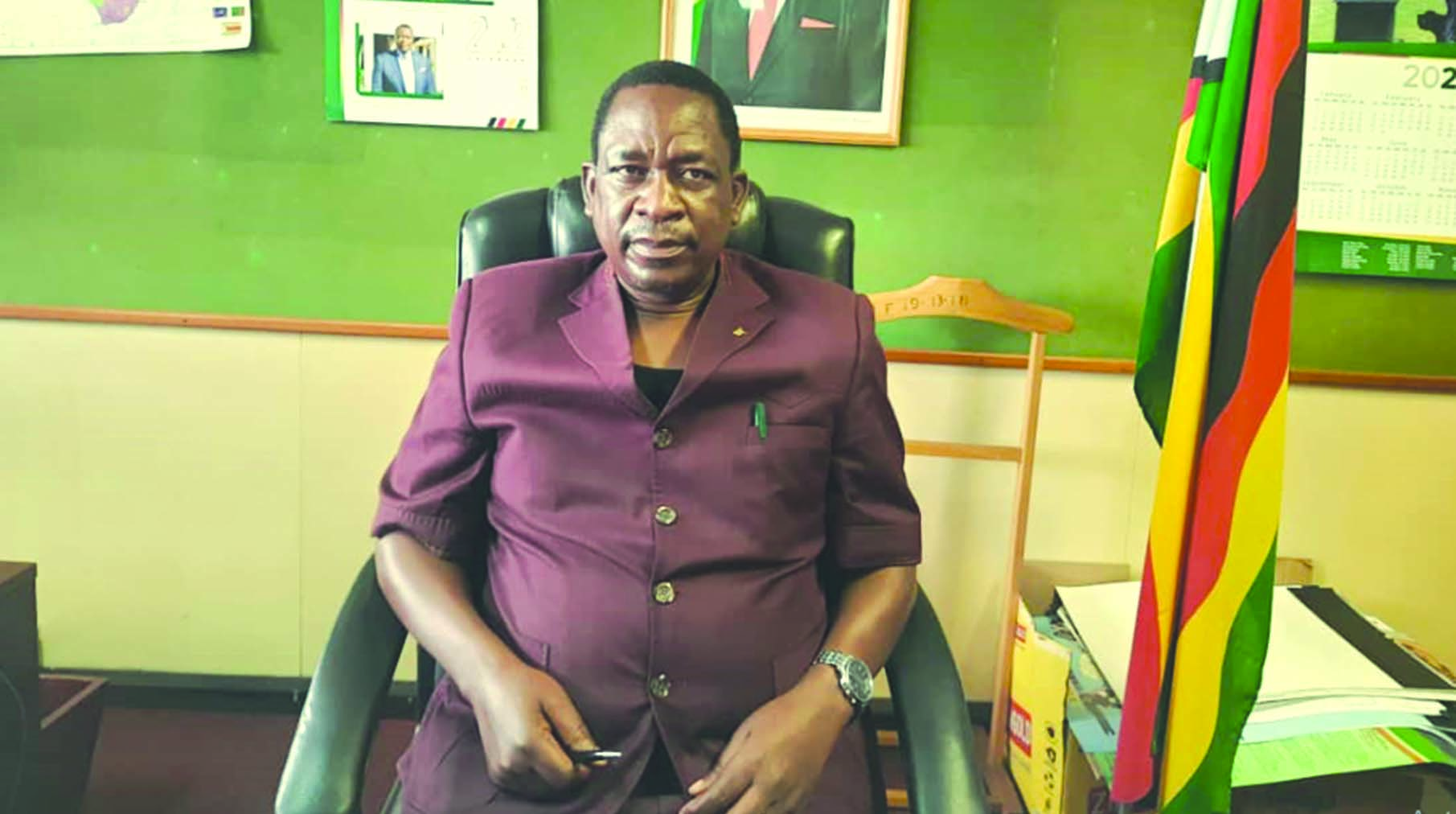
Speaking at the same event, Minister of State for Matabeleland South Provincial Affairs and Devolution, Cde Albert Nguluvhe, commended Rida for its transformative impact in the province.
“As Matabeleland South, we acknowledge and commend the immense contribution Rida has made in the provision of clean water and critical infrastructure as 2025 draws to a close. We encourage other Government departments to emulate this high-impact approach to development,” he said.
Minister Nguluvhe described rural infrastructure as the backbone of inclusive national development.
“The roads that connect isolated villages, the bridges that open access to markets and services, and the water systems that restore dignity to households are not just projects but are lifelines that create economic opportunities, social cohesion and sustainable growth,” he said.
Minister Nguluvhe said Rida had been instrumental in advancing the Government’s devolution agenda, which seeks to empower communities and ensure equitable development.
“Devolution is about empowering citizens, strengthening local institutions and enabling communities to take ownership of their development. Rida’s work has demonstrated this vision in action,” he said.
Minister Nguluvhe applauded Rida workers for completing critical road rehabilitation projects in remote areas thereby improving access to schools, clinics and markets.
“As we celebrate excellence today, we must also look ahead. Our goal is to build modern, well-connected rural communities, expand economic opportunities for youth and women, harness digital technologies in service delivery, and strengthen partnerships with development agencies, the private sector and community leaders,” he said. — @DubeMatutu




 Bongani Moyo