tawandamusarurwa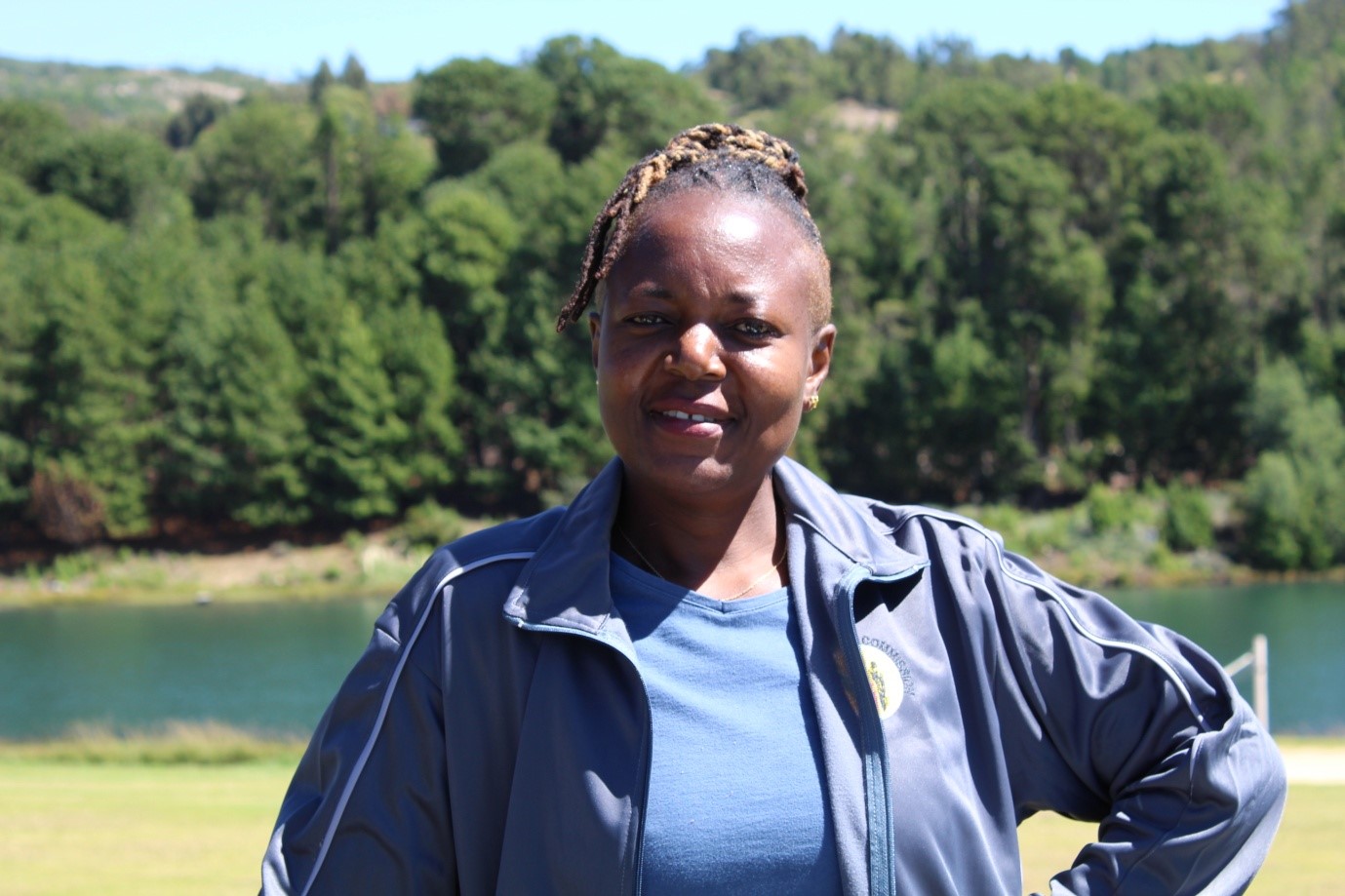
Miriam Tose Majome
THE Zimbabwe Media Commission (ZMC) administers the Freedom of Information Act (Chapter 10:33).
This important legislation helps to protect the right of access to information.
Access to information is a right that needs to be protected.
Section 62 (2) states: “Every person, including the Zimbabwean media, has the right of access to any information held by any person, including the State, insofar as the information is required for the exercise or protection of a right.”
The Act interchangeably makes reference to both “public entities” and “entities”.
Where reference is made to public entities, the definition given in the Public Finance Management Act must be used.
In the Act, a “public entity” means:
(a) any corporate body established by or in terms of any Act for special purposes;
(b) any company in which the State has a controlling interest, whether by virtue of holding or controlling shares therein or by virtue of a right of appointment of members to the controlling body thereof or otherwise, and includes any company which is a subsidiary, as determined in accordance with the Companies and other Business Entities Act
(c) a local authority;
(d) any partnership or joint venture between the State and any person, and which is prescribed by the minister for the purposes of the application of this Act to be a partnership or joint venture;
The Act defines an “entity” as “a private entity, public entity, public commercial entity or statutory office”.
From this definition, it is clear that the Act applies to all entities — both public and private.
Therefore, it is not only public entities that are bound by the Act and legally obliged to be accountable to the public, but private ones as well.
People have a right to access information if the required information is in the interest of public accountability. This applies to private entities as well simply because their actions and decisions have public impact. Private entities cannot be exempt from public accountability, because they have obligations and responsibilities to the public, especially the communities in which they operate.
They cannot just be accountable to their shareholders and stakeholders, because they do not operate in a vacuum. The actions of many private entities affect public health and safety. In many communities around the country, mining and industrial companies are causing environmental degradation and pollution.
Some firms are dumping hazardous waste in open spaces or discharging it into public water bodies, putting the lives of people and animals at risk.
The public and the media have a right to demand information that concerns their health and safety, such as the environmental and waste-disposal policies of any entity.
Every public entity, public commercial entity or holder of a statutory office is required to have a written information disclosure policy, through which it divulges information in the interest of public accountability and for the exercise or protection of a right.
Public entities are all required to appoint an information officer, whose responsibility is to handle and facilitate access to information when it is sought by the public.
Public and private entities are obliged to grant access to the information sought, unless it is legally protected.
Information that can be denied legally includes deliberations of the Cabinet, protected court records, health records and private financial records.
Other protected information includes private trade secrets, as well as commercial, scientific or technical information, whose disclosure could potentially harm commercial interests.
The Freedom of Information Act has channels for redressing grievances when the right of access to information is denied.
People denied access to information, which they are lawfully entitled to, have legal recourse.
Appeals may be made to the ZMC.
The commission has the power to determine appeals and order access to information sought if it was unduly denied by an entity.
Miriam Tose Majome is a commissioner with the Zimbabwe Media Commission.


 Online Reporter