Online Reporter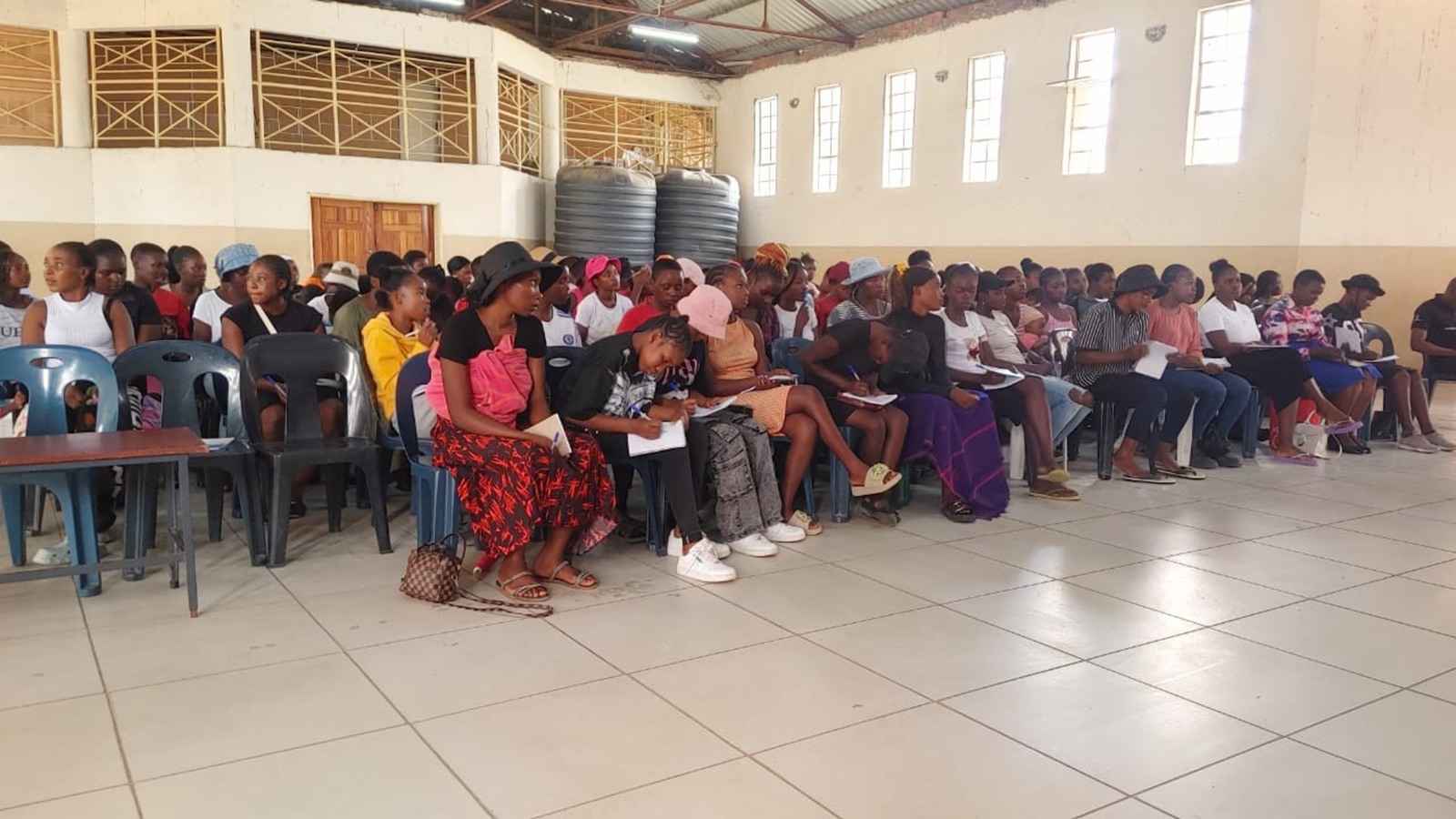
Ivan Zhakata
Herald Correspondent
GOVERNMENT has reaffirmed its commitment to ending child marriages, teenage pregnancies and gender-based violence among adolescent girls, particularly those who are out of school, as a two-day sensitisation workshop under the RISE Project opened in Chitungwiza today.
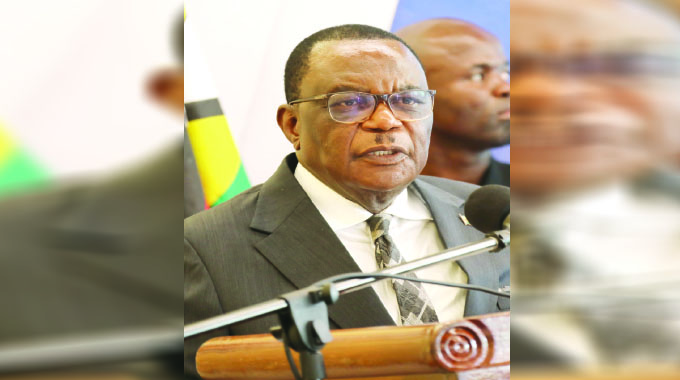
Speaking on behalf of Chitungwiza District and the Government, acting deputy director for Local Government Services in Harare Metropolitan Province, Ms Cynthia Chari said the workshop came at a critical time when adolescent girls continued to face multiple vulnerabilities.
“Child marriage, teenage pregnancy, gender-based violence and limited access to sexual and reproductive health services remain pressing challenges in our communities,” she said.
“’These issues continue to undermine the rights, health, education and future potential of our adolescent girls, especially those who are out of school.”
Ms Chari commended FAWEZI, in partnership with UNICEF, for convening the engagement under the RISE: Resilient, Innovative, Skilled and Empowered girls project and said the initiative went beyond awareness-raising to equipping girls with life skills, confidence and knowledge of available protection and support services.
She also applauded the programme’s multi-sectoral approach, which brought together the Department of Social Development, Ministry of Health and Child Care, National AIDS Council, Zimbabwe Republic Police’s Victim Friendly Unit and the Ministry of Women Affairs, Community and Small and Medium Enterprise Development.
“Such collaboration is essential if we are to create safe, supportive and enabling environments for our children and young people,” Ms Chari said
She urged adolescent girls to actively participate and take full advantage of the information shared.
Speaking on behalf of the Ministry of Health and Child Care, Mrs Jane Mhlanga of Chitungwiza Central Hospital said access to accurate Sexual and Reproductive Health and Rights (SRHR) information was key to preventing teenage pregnancies and safeguarding girls’ health.
“Many cases of teenage pregnancy can be prevented if girls are empowered with correct information about their bodies, their rights and the services available to them,” she said.
“Adolescent girls must know that health facilities provide confidential, youth-friendly services where they can seek help without fear.”
The RISE Project, supported by UNICEF, is being implemented in Chitungwiza and Chipinge districts using a layered approach that integrates education, health and protection interventions.
The programme targets 24 000 adolescent girls and 15 000 community members over a 15-month implementation period.
The initiative seeks to address persistent gender inequalities in education, including low participation of girls in STEM (Science, Technology, Engineering and Mathematics), high rates of early marriage, gender-based violence and school dropouts.
Statistics show that 65,9 percent of girls complete secondary education compared to 70 percent of boys, while girls remain underrepresented in STEM subjects due to social norms, lack of role models and limited access to gender-responsive teaching.
The programme was expected to improve awareness on the prevention of child marriage and harmful practices, strengthen utilisation of SRHR and protection services, enhance confidence and decision-making among adolescent girls and strengthen reporting and referral of child protection and gender-based violence cases.