admin
admindeputy chief operating officer of News Corp and overseer of its international businesses, and it was first announced nearly a year ago that he would move to New York.
In theory he can now make a fresh start: one of his main responsibilities will be pay television, a business in which he did well before taking over the newspapers in 2007, the move that marked him as heir apparent.
And, he will be insulated from the poisonous atmosphere in London, where it was confirmed this week that the victims of phone-hacking by News of the World journalists included none other than Murdoch’s disgraced former sidekick, Rebekah Brooks, who at the time was editor of NOW’s stablemate, the Sun.
All the same, James Murdoch will be remembered as the man who closed Britain’s biggest Sunday paper and claimed not to have known how deep the rot was despite warnings from underlings.
When Rupert Murdoch appeared in London in February to launch the Sun on Sunday, it was without James but with his elder son, Lachlan, prompting speculation that the latter, formerly out of favour, is back in the running to take over.
Rupert Murdoch may be in the habit of anointing his successors with printing ink, but to the markets his newspapers matter little.
In 2010, the last year News Corp reported earnings separately for the papers (plus some online-information services), they brought in less than a fifth of the company’s revenue and only an eighth of its profits.
Investors welcomed the seventh-day Sun, which should win back some of NOW’s lost readers, but in general they see newspapers as an “asset-intensive, slow-growth, marginally profitable business”, says Todd Juenger of Sanford C Bernstein, an investment bank.
Though its shares are at a four-year high the firm is still widely reckoned to be undervalued.
They even rose slightly the day James Murdoch resigned, and the day after his boss, Chase Carey, the chief operating officer, acknowledged at a conference that executives had discussed selling the newspaper business.
That may mean investors think the papers’ eventual sale is now more likely, or that the hacking affair has taken its last senior scalp, or both.
But celebrating either would be premature. It would be hard to get a good price for the tainted News International, Juenger points out, and any buyer would probably insist that News Corp indemnify it against the effects of possible future revelations.
And if the investigation in Britain finds evidence of bribery, News Corp could face stiff fines in America under the Foreign Corrupt Practices Act and more heads could roll.
Even if James Murdoch can redeem himself, likely rivals for the top job will include not just his siblings but also Carey, widely seen as one of the most competent media executives in America.
But he has time yet. And a News Corp without newspapers might be the perfect company for him. — www.economist.com


Online Reporter
- Herald
- September 16, 2026
- 39 views
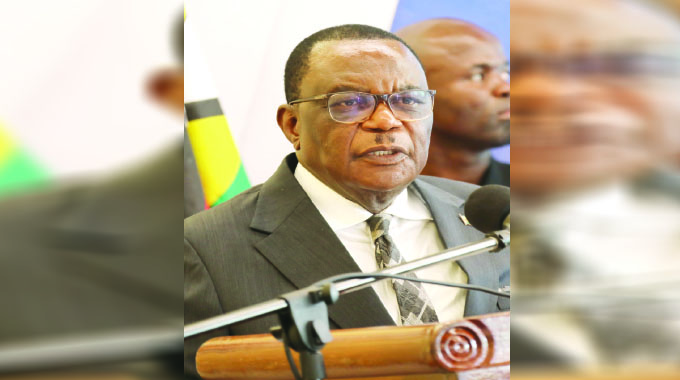
VP Chiwenga woos Chinese battery makers in push for in-country manufacturing
Lincoln Towindo in HANGZHOU, China VICE President Dr Constantino Chiwenga has challenged Chinese battery manufacturers to set up production in Zimbabwe, saying the raw materials they depend on are already…