admin
admin
 Conrad Gweru
Presenting his 2014 Budget Statement late last year, Finance Minister Patrick Chinamasa proposed an increase of US$0,02 per litre of diesel and petrol from January 1, 2014 as a way of raising revenue to finance the Plumtree-Mutare road loan. The Plumree-Mutare road deal involves Infralink — a special purpose vehicle formed between Group Five of South Africa and the Zimbabwe National Road Administration — and the Development Bank of Southern Africa.
The highway is taken as a model for Public-Private-Partnership (PPP) venture for the country, which is also seeking another deal for the Beitbridge-Harare-Chirundu highway.
Dualisation of the country’s highways is critical for regional integration, encouraging the adoption of the public-private partnerships for infrastructure development.
However, Zimbabwe is ranked third among the highly taxed nations after Ireland and Israel as tax figures are over 30 percent of employee earnings.
Taxes collected by Government include carbon tax, Pay As You Earn which is at least 20 percent of income above US$250; 3.5 percent goes towards National Social Security Authority; 15 percent Value Added Tax; Capital Gains Tax collected from profits after sale of property; Withholding Tax for companies in the informal sector and 3 percent of the income going towards the Aids levy.
There have also been proposals to dig deeper into the pockets of the taxpayers through a Green Fund, cancer levy and a Health Insurance Fund levy – all coming on top of a plethora of other obligations that the worker has to meet day in day out, including providing food for the family, paying of electricity, water and telephone bills.
Dualisation of the country’s highways will greatly benefit the ordinary Zimbabwean, but people are already overburdened by taxes which also has an impact on consumption and savings levels.
The rate of unemployment in the country is believed to be higher than latest ZimStat figures of 11 percent. That means very few ordinary Zimbabweans have extra money to spare because of too many dependants.
The introduction of the levy will see other service providers transferring the burden to consumers through increased prices based on the fuel cost.
Transport costs will go up, which has a huge impact on business. Cost of services and food will also go up against shrinking consumer incomes.
There have been numerous calls for salary reviews by many labour representative bodies. This has not been possible due to poor performance of the economy in the past years and the liquidity crunch that has recently emerged.
Apart from the taxpayer, there is also the small to medium scale entrepreneur who is finding it difficult to survive in a market jam-packed with imported goods.
The Government’s decision will force the SMEs to increase the cost of his goods and thus push off the market.
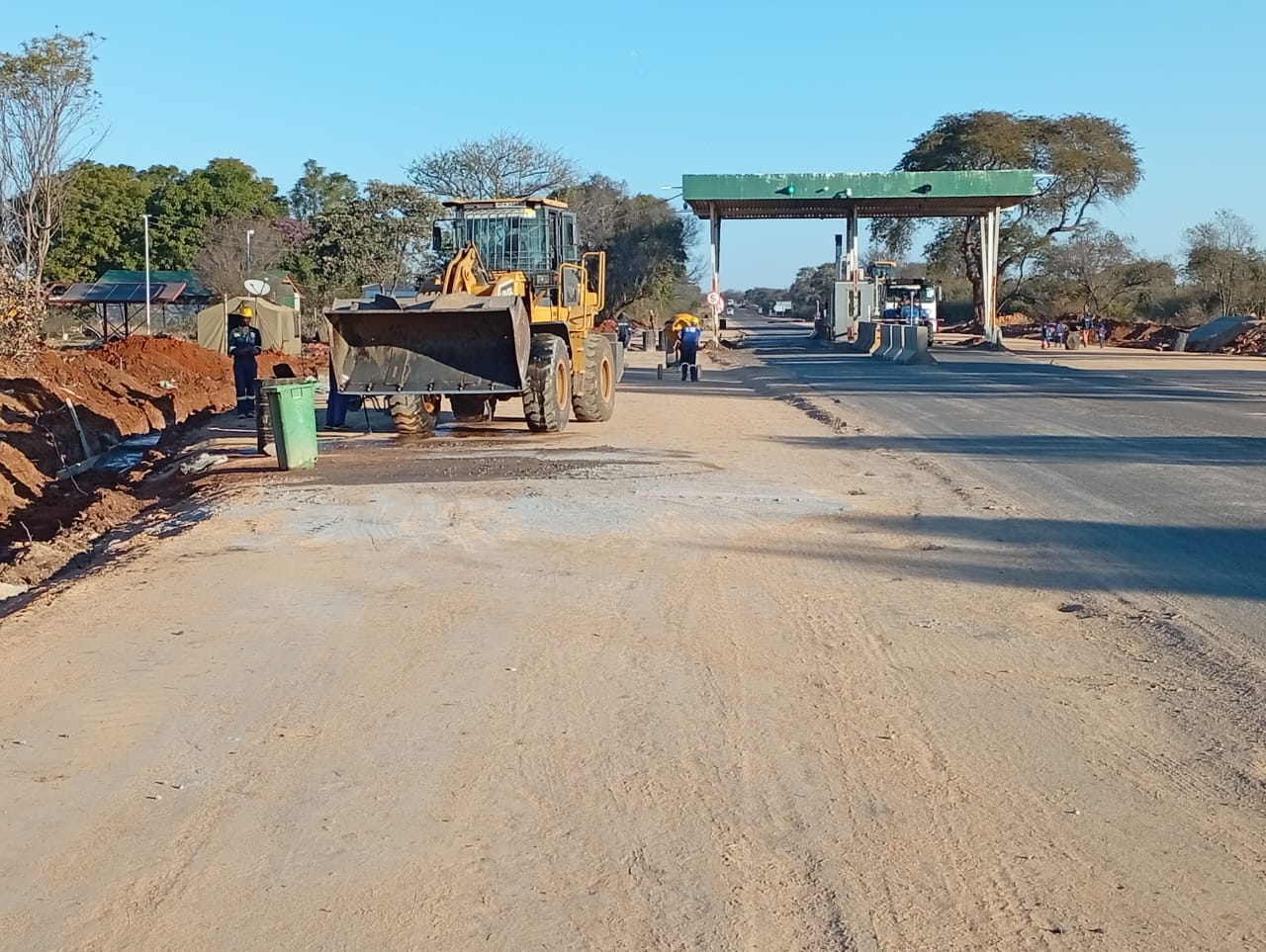
The Zimbabwe National Road Administration was reported to have collected US$60 million since the introduction of tollgates four years ago.
Zinara should tighten collection of toll fees by ensuring that all tollgates are computerised so that all the money collected is accounted for.
Computerised toll plazas will ensure that loopholes for corrupt activities are closed. It has been noted that revenue collected doubled at tollgates that have been computerised in the country.
Government ought to reconsider other options to service its loan which will not affect the consumer.
These include increasing toll fees for all foreign trucks, buses and any other commercial vehicles given that most of these use Zimbabwe’s highways for the benefit of their country’s economies.


 daniel chigunwe