admin
admin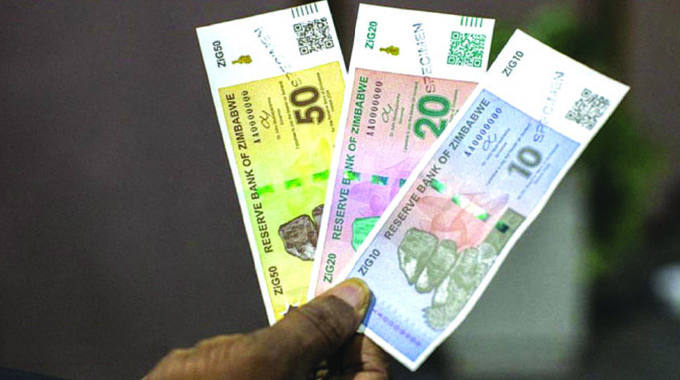
Godfrey Koti
Correspondent
Communication is a vital cog in national development.
Vision 2030 as an aspirational conduit to elevate the nation to an upper-middle-income economy must be endlessly communicated given the unrelenting policy delivery signature character of the Second Republic.
With the new ZiG currency asserting its reputable place in the ecology of currencies, the nation must be informed of the growing strength of the economic resilience and fiscal aptitude; thanks to the proactive market driven stewardship of Zimbabwe by President Mnangagwa.
The currency’s success hinges not only on sound monetary policies, but also on strategic communication efforts that foster public confidence and robust collaboration between the public and private sectors.
Confidence in Zimbabwe’s local currency has historically been fragile, undermined by policy inconsistencies, unclear messaging, and inflation volatility.
According to the Zimbabwe National Statistics Agency (ZimStat), Zimbabwe’s inflation, which soared to a peak of 837.53 percent in July 2020, had moderated to 86.5 percent by July 2023.
Despite this progress, the introduction of the ZiG comes at a time when trust in the currency remains tentative.
For the ZiG to succeed, transparent and consistent communication from the RBZ is crucial.
The RBZ must provide regular updates on inflation trends, monetary policies, and economic indicators.
In his inaugural April 5, statement, the Central Bank Governor Dr John Mushayavanhu indicated the institution’s commitment to maintaining stable money supply, targeting an annual growth rate of less than 10 percent to curb inflationary pressures.
These measures, when communicated effectively, can reassure the public and business community of the ZiG’s stability.
Effective communication in this respect gives a pragmatic roadmap toward Vision 2030.
Public and private sector confidence in our currency has the optimal stability boost to national development.
A robust monetary policy branding framework is crucial in combating the retrogressive aspersions deployed by saboteurs to our economic growth.
A positive monetary policy brand inspires market confidence for investment attraction.
With mass confidence in the currency, society compels markets to embrace the ZiG with the same dignity accorded to other currencies which have given legal tender status in Zimbabwe.
The strength of other currencies in our market is a consequence of monetary policy propaganda deployed by other nations.
However, beyond hollow propaganda, we have a currency backed by a catalogue of our geological endowments namely gold, platinum and is even further backed by the US dollar in our national reserves.
The currency existential imperatives of the ZiG are alive and dovetail with the overall demands of the global market forces. This merit requires a deliberate and competitive articulation. As such, the RBZ uses all the communication machinery at its disposal to sow public confidence in the money.
There must be a deliberate approach and strategy to make our people love their money.
The private sector must be constantly engaged.
This way, trust is built between business and the RBZ, concerns are promptly addressed and monetary subversive crimes are curbed. For instance, the manufacturing sector, contributing 17.2 percent to GDP, and the agricultural sector, contributing 8.2 percent, are particularly vulnerable to currency instability.
Ensuring these sectors have a clear understanding of monetary policies and their implications is vital.
Public-Private Partnerships (PPPs) offer significant potential for economic stabilisation.
These partnerships should be underpinned by proactive communication to ensure mutual understanding and alignment of goals.
For instance, the recent US$500 million investment in renewable energy through PPPs gestures how such collaborations can stimulate economic activity, ultimately supporting a stable currency.
For the ZiG to become a stable and reliable medium of exchange, a coordinated communication effort between the public and private sectors is essential.
There is a plethora of effective communication hanging fruits which may be essential going forward.
Regular business forums, town halls, and public awareness campaigns should be organised to discuss economic issues, with a focus on the role of the ZiG.
These platforms allow for real-time feedback and foster a sense of collective responsibility.
The RBZ, in collaboration with the private financial institutions, can launch educational initiatives aimed at improving financial literacy.
A well-informed public is more likely to trust and use the national currency.
Leveraging technology, the RBZ can create digital platforms for sharing economic data, policy updates, and other relevant information transparently and in real-time.
The private sector can develop complementary apps and services that help businesses and individuals manage their finances in ZiG more effectively.
Tailoring communication to specific industries, such as agriculture, mining, or tourism, can address unique challenges and opportunities within those sectors.
For example, targeted communication in the mining sector, which accounts for over 60 percent of Zimbabwe’s export earnings, can help stabilise export revenues and support currency growth.
The story of the ZiG must be told for all to attract a societal driven direction for its valorisation. This way, public confidence in the end of poverty by 2030 will be realised.



 Online Reporter