admin
admin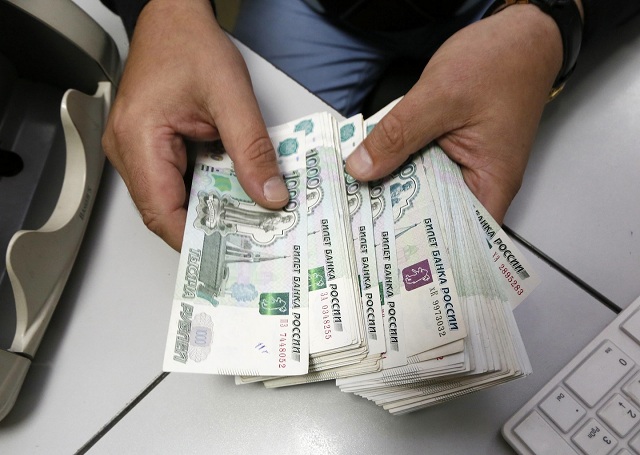

Moscow – The rouble has weakened the most in emerging markets after Iran called a Russian-Saudi plan to freeze oil production “ridiculous.”
The currency fell 2.4 percent to 77.13 per dollar just after lunch in Moscow, the biggest decline in three weeks, as Brent crude retreated 2 percent to $32.59. The proposal between Russia and Saudi Arabia to cap output at January levels puts “unrealistic demands” on Iran, said oil minister Bijan Namdar Zanganeh, according to the ministry’s news agency Shana.
Oil’s collapse to a 12-year low amid a global glut has weakened the rouble to unprecedented levels, put Russia’s economy on course for a second year of contraction and forced the government to consider budget cuts. If Brent falls below $32.68 a barrel, the rouble may drop back to this month’s low of 80.64 per dollar, according to Rabobank.
“Comments from Iran’s oil minister fuelled market doubts that other oil producers will respect the agreement to freeze oil output,” said Piotr Matys, a strategist for emerging-market currencies at Rabobank in London.
Three-month implied volatility, a measure of exchange-rate swings used to price options, is the highest in emerging markets at 26 percent after Argentina’s peso, suggesting investors anticipate rouble price swings to persist, data compiled by Bloomberg show.
Meanwhile, the petrochemical sector was the main drag on Riyadh’s stock index in early trade yesterday after oil extended its decline, while Egypt’s benchmark retreated as investors’ mood soured.
The Riyadh index was down 1.2 percent in the first hour as Saudi Basic Industries, the largest listed petrochemical stock, shed 2.4 percent. Brent oil futures were trading below $33 a barrel.
The Saudi retail sub-sector index fell 1.1 percent with Al Othaim Markets, a supermarket chain, down 0.9 percent although the board recommended a cash dividend of 2.00 riyals per share for 2015, up from 2014 and above NCB Capital’s forecast of 1.75 riyals.
The retail sector may be hurt this year by the erosion of consumers’ purchasing power after inflation spiked in January.
On Tuesday the kingdom’s statistics department said consumer price inflation hit 4.3 percent year-on-year, the highest since the data series began in 2012, after austerity measures in the state budget raised costs of electricity, water and gasoline.
“Looking ahead, we anticipate domestic inflationary pressure to intensify during 2016, driven by second-round effects stemming from the recent energy price reforms,” said a research note by Riyadh-based Jadwa Investment.- Reuters.



 derick.khumalo