Online Reporter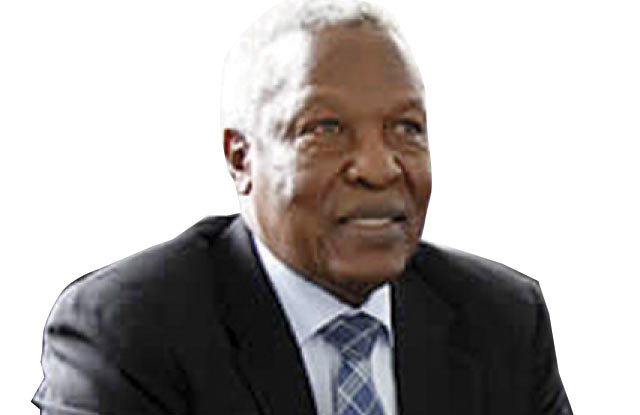
The Herald
11 April 1981
THERE was need to provide better services to the rural areas, the Minister of Lands, Resettlement and Rural Development, Dr Sydney Sekeramayi, said yesterday.
Officially opening a Food subsidy, a Government spokesman said yesterday that Senator Enos Nkala, Minister of Finance, had predicted a food subsidy figure of $167 million next year if Government support was not cut, and not $267 million as reported.
It was also pointed out that Post Office savings account interest went up on April 1. The errors were inadvertent.
National Breweries depot at Inyanga, he said the move to open a depot in the smaller centres was appreciated by the Government as a step towards decentralisation. “Government is in the process of establishing growth points and we like to see the private sector helping to develop a co-operative sector by agencies and other means,” said the Minister.
The depot was the first to be opened by the breweries in the rural areas. Others are planned for Chipinga, Mrewa, Karoi, Enkeldoorn, Mount Darwin, Gutu, Gokwe, Gwanda, Zaka and Bikita.
The Minister said he would like to see a situation in which beer cost the same in Inyanga as It did in Umtali. This principle should apply across the country for all goods. It operates in other countries so why not in Zimbabwe?” He called on private enterprise to work towards the goal of decentralisation, “Decentralisation can take place in business, industry, commerce and Government for the development of the full potential of the rural areas, where the majority of our people live.”
Lessons for today
- Establishing breweries in rural areas was intended to stimulate local economies by creating jobs and supporting local agriculture. Breweries provided employment opportunities for residents and created a market for local farmers to sell their produce, such as sorghum and maize.
- This initiative was part of a broader strategy to decentralise economic activities and reduce the concentration of industries in urban areas.
- Breweries contributed to local and national revenue through taxes and sales. This revenue could then be reinvested in community development projects, improving infrastructure, healthcare, and education in rural areas.
- The construction of breweries in rural areas was a multifaceted approach to promote economic growth, decentralise industry, and enhance community development.