Online Reporter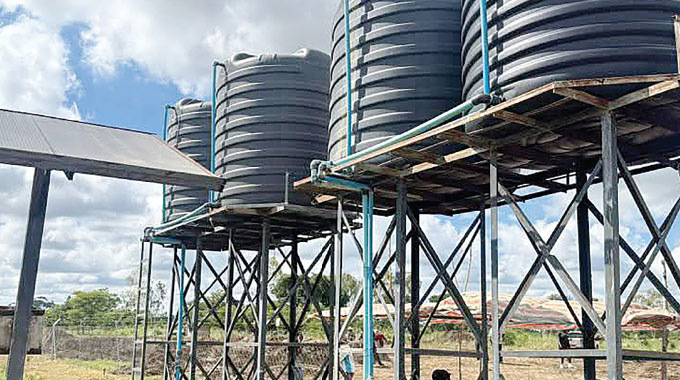
Precious Manomano, Harare Bureau
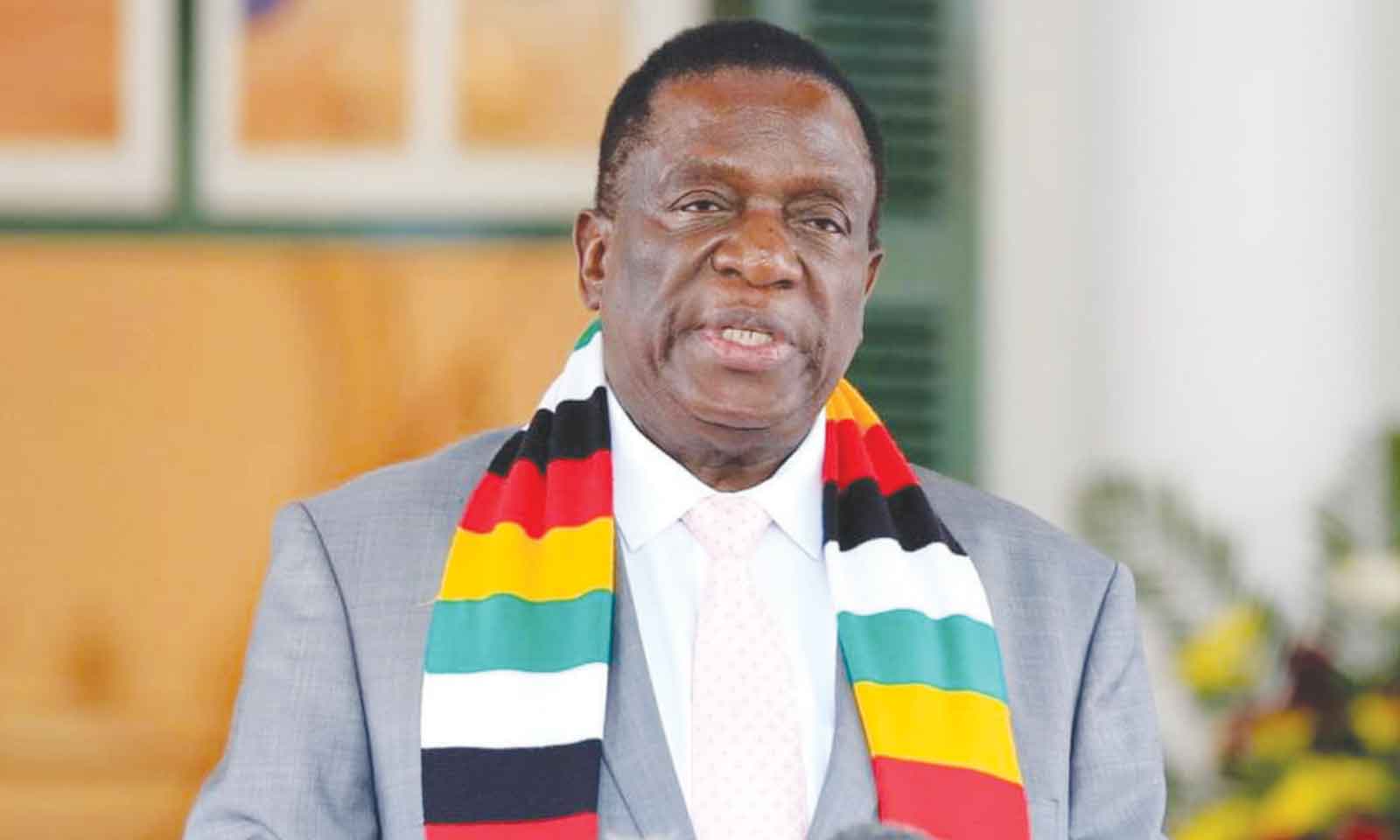
PRESIDENT Mnangagwa has introduced Zimbabwe Rural Development 8.0 initiatives to revolutionise the rural economy through a comprehensive array of Presidential schemes, benefitting over 10 million people.
The initiatives seek to enhance agricultural development, promote industrialisation and improve infrastructure, ultimately contributing to improved food security, nutrition and better livelihoods.
President Mnangagwa’s vision aligns with the national aspiration of creating a prosperous upper middle-income society by 2030, ensuring that no one and no place is left behind.
The majority of the population has benefitted from the 10 Presidential Schemes introduced to boost household and national food security.
Through these tailored schemes, beneficiaries are earning a decent living, getting employment, and being uplifted to prosperity, setting the groundwork for achieving an upper-middle-income economy by 2030.
These schemes were established by the Second Republic to tackle poverty, unemployment, and malnutrition levels prevalent among the rural population.
The programmes include the Presidential Inputs Scheme, Presidential Cotton Scheme, Presidential Blitz Tick Grease, Presidential Rural Horticulture Scheme, Presidential Community Fisheries Scheme, Presidential Rural Poultry Scheme, Presidential Rural Goat Pass-on Scheme, Presidential Solar Scheme, Presidential Borehole Scheme, and the Presidential Rural Development Scheme.
Lands, Agriculture, Fisheries, Water, and Rural Development permanent secretary Professor Obert Jiri said all these schemes, which mainly fall under his Ministry’s purview, are designed to develop the country.
“The Government has crafted the Agriculture and Food Systems Transformation Strategy which seeks to grow the agriculture sector to a US$14 billion industry focusing on climate-proofing the sector at the individual household level through the Pfumvudza/Intwasa programme and dam construction to enhance large-scale farming. We should see value addition in the rural areas.”
“More than 10 million will be empowered through these schemes as the Government moves to ensure the attainment of an upper middle-income economy by 2030. Farmers will have access to nutritional food and income through exporting products from the Horticulture scheme and other schemes too.”
In 2021, President Mnangagwa extended the Pfumvudza/Intwasa scheme to include cotton, accelerating rural modernisation and industrialisation. This is in line with the Second Republic’s thrust to modernise the agriculture sector while enhancing production and productivity, as stated in the Agriculture and Food Systems Transformation Strategy.
Under the Presidential Cotton Scheme, farmers are reporting high yields, thanks to the provision of inputs, which has encouraged many to engage in the production of cotton.
The Presidential Rural Poultry Scheme is benefitting at least three million rural households across the country’s eight rural provinces. This scheme aims to improve nutrition, increase rural income, and alleviate poverty through the commercialisation of rural poultry production.
Benefits include access to table eggs, fertilised eggs for hatching, meat from excess cocks, and manure for gardens.
The Presidential Fisheries Scheme is being implemented in 1 200 dams across Zimbabwe, with more than 50 000 fingerlings set to be released into each dam by 2025.
Moreover, over one million households are benefiting from the Presidential Blitz Tick Grease Scheme, which provides free tick grease to combat the spread of tick-borne diseases, particularly Theileriosis, known as January disease. Launched in 2020 under the Livestock Growth Plan, this initiative supports farmers in safeguarding their livestock.
Under the Pfumvudza/Intwasa programme, the Second Republic is assisting 3 million farmers with inputs to improve productivity levels. The programme is being replicated across Africa after demonstrating positive results in Zimbabwe.
This season, Government has implemented more than 11 million plots to combat drought and ensure enhanced food security through increased production and empowerment of smallholder farmers.
The Second Republic is also drilling boreholes to boost horticulture production and establishing Village Business Units and industries to prevent rural-urban migration. Horticulture is identified as an additional driver of rural prosperity, with three million households now targeted as access to water supplies and inputs improves.
President Mnangagwa launched the Presidential Rural Horticulture Scheme under the Presidential Horticulture Transformation Plan to improve irrigation access and potable water for rural communities.
The plan involves drilling village boreholes—one per village—over five years, with some of the water allocated for households and some for irrigating horticulture plots.
Under the Presidential Rural Development Programme, a total of 35 000 village business units (VBUs) and 9 600 school business units will be established by 2025, driving rural industrialisation and enhancing food security and income generation. VBUs have positively impacted the rural population, with many beneficiaries reporting improved livelihoods.
In Manicaland, for instance, Village Agro-Business Units have been established in various villages, including Chisuma, Temaruru, Tamburikayi, Hakwata, Chichesa, Mutema Secondary, and at Chief Mutema’s homestead.
Additionally, the Second Republic has introduced the Presidential Goat Scheme, which will benefit 35 000 villages, including traditional chiefs, headmen, and village heads, potentially impacting 1.8 million homesteads. This programme is designed to boost breeding stock and enhance the quantity and quality of goats distributed to the small-scale sector.
Government and its partners have also drilled over 50 000 boreholes under the Presidential Borehole Drilling Scheme, ensuring access to clean and safe water for Zimbabweans. Families can now use water from solar-powered boreholes to establish community gardens, enabling them to grow horticultural products and alleviate poverty.
The Presidential Solar Scheme has been introduced to tackle climate change, support sustainable agriculture, and provide affordable electricity. It aims to uplift rural livelihoods, enhance agricultural productivity, and boost food security.
Zimbabwe Commercial Farmers’ union president, Dr Shadreck Makombe, recently indicated that the schemes had improved people’s livelihoods.
“We appreciate different schemes for positively transforming the rural population. To sustain the current growth trajectory, our markets must reform. Attention must be paid to the primary producers to ensure the farmer looks forward to going back to the field.
“All these schemes are paying dividends to the rural population. Many benefits have been derived from these schemes leading to better standards of living. Some are even sending children to schools using the money they earn from these projects,” he said.
President Mnangagwa’s commitment to revolutionising the rural economy through the Zimbabwe Rural Development 8.0 initiatives serves as a pivotal step toward addressing longstanding issues of poverty, unemployment, and food insecurity in the nation.
By prioritising agriculture, industrialisation, and infrastructure development, these Presidential schemes aim to uplift millions of Zimbabweans and contribute to a sustainable, prosperous future.
Historically, rural communities in Zimbabwe have faced numerous challenges, including inadequate access to resources and limited opportunities for economic advancement. However, the strategic implementation of these initiatives reflects a positive approach by the Second Republic, seeking not only to enhance agricultural productivity but also to foster overall community development.
As these programmes unfold, they hold the potential to transform lives, empower households, and cultivate a resilient rural economy, ultimately laying the groundwork for Zimbabwe to achieve its goal of becoming an upper-middle-income nation by 2030.