Online Reporter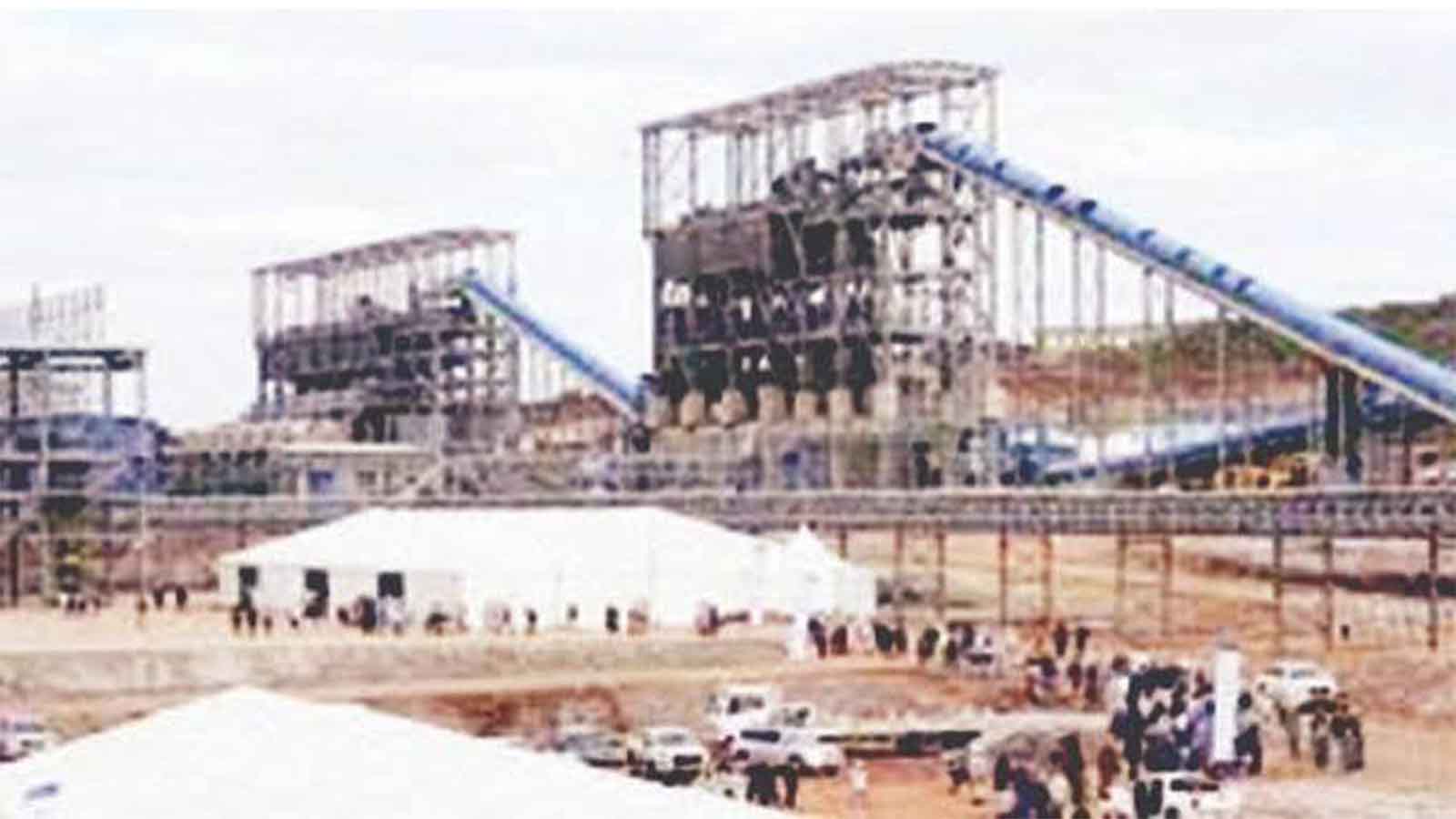
Oliver Kazunga
Senior Reporter
RURAL industrialisation is gathering momentum as a US$400 million lithium sulphate processing plant by Prospect Lithium Zimbabwe is creating over 2 000 jobs while transforming a mining community into Africa’s first battery chemicals production hub.
The establishment of the lithium sulphate processing plant by Arcadia Technology Zimbabwe (ATZ), a sister company to Prospect Lithium Zimbabwe (PLZ) under Huayou Cobalt, marks a significant milestone in the country’s drive to ensure mineral resources are processed closer to where they are extracted — creating employment, stimulating local businesses and expanding industrial activity in rural areas.
The investment comes as the Government intensifies implementation of its rural industrialisation strategy, which seeks to move beyond the traditional extraction and export of raw minerals by promoting beneficiation and value addition at source.
In a statement posted on its official X handle, the Ministry of Industry and Commerce said: “Zimbabwe is moving beyond exporting raw minerals to unlocking greater value through beneficiation and value addition.”
It said ATZ was “advancing Zimbabwe’s mineral beneficiation agenda by processing locally mined lithium (spodumene and petalite) into lithium sulphate, a significantly higher-valued chemical product for export.”
The US$400 million investment represents the first lithium sulphate processing plant in Zimbabwe and on the African continent, positioning the country among producers of higher-value lithium chemical products used in the global battery materials industry.
Instead of exporting raw spodumene and petalite, the facility processes the minerals into lithium sulphate, a refined intermediate chemical used in the manufacture of lithium-ion batteries for electric vehicles, renewable energy storage systems and other advanced technologies.
According to the Ministry, the project is creating employment while laying the foundation for broader industrial development around the mining area.
“The plant is creating over 2 000 employment opportunities, facilitating technology and skills transfer, strengthening local supply chains and downstream industries, increasing export earnings and foreign currency inflows, and generating additional tax revenue to support national economic growth and sustainable development,” read part of the statement.
“Rural industrialisation is ensuring that more of our country’s mineral wealth is processed at home, creating jobs, developing communities where resources are found, and allowing Zimbabweans to benefit from the full value of their natural resources.”
The development is expected to stimulate demand for locally supplied goods and services while creating opportunities for businesses supporting mining, engineering, transport, construction and maintenance activities in surrounding communities.