

 Online Reporter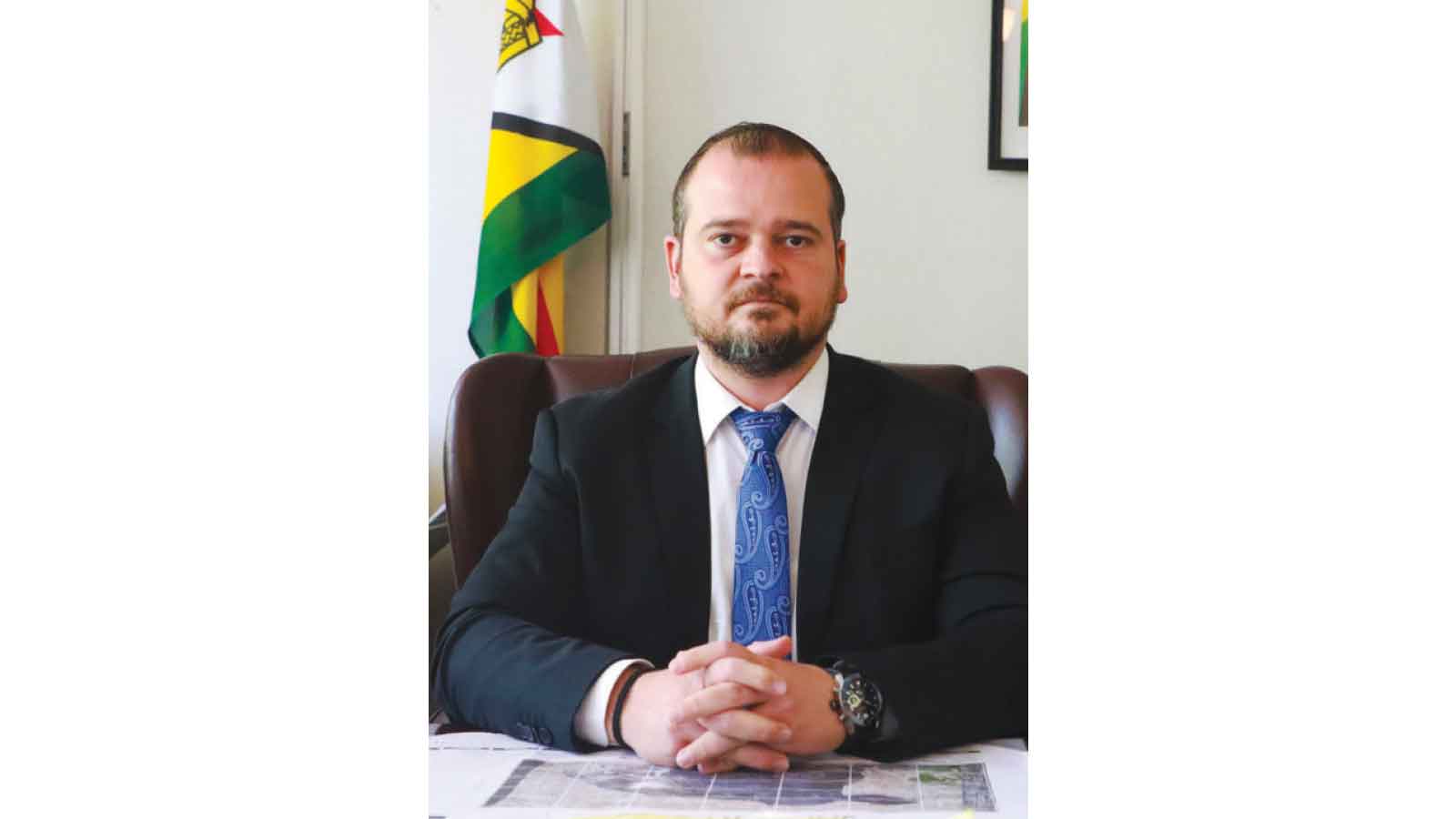
Theseus Shambare
Herald Correspondent
GOVERNMENT has intensified its rural transformation agenda, targeting improved clinics, modernised schools, upgraded road networks and expanded electricity access under a new integrated development thrust anchored by the recently established Ministry of Lands and Rural Development.
The new ministry, born out of a deliberate policy shift to accelerate inclusive growth, is spearheading a coordinated approach to rural development in line with President Mnangagwa’s vision of leaving no one and no place behind.
Central to this drive is the Rural Development 8.0 model, a bold framework aimed at eradicating poverty in all its forms – including food and water poverty — through a strategic nexus linking agricultural development, rural industrialisation and overall rural transformation under Vision 2030.
Lands and Rural Development Minister Vangelis Haritatos said the new ministry is repositioning rural development from isolated interventions to a synchronised, whole-of-Government programme that delivers comprehensive change at community level.
“Our rural development is not just agricultural; it is about coordination. It includes water, roads, bridges, clinics, schools and electricity. When we go into a village, we must ensure that all these aspects are addressed together,” said Minister Haritatos.
He said the ministry has already begun engaging key institutions and agencies to understand operational gaps and unlock synergies that can accelerate service delivery.
“We visited various agencies and got a deeper appreciation of the work they are doing. There is strong coordination already, but there is still significant room to enhance impact through better alignment,” he said.
Minister Haritatos said the ministry will, in the coming weeks, intensify collaboration with line ministries responsible for health, transport, energy, water and education to ensure seamless planning and execution of rural development programmes.
The integrated model is anchored on the widely acknowledged principle that agriculture remains the most powerful driver of poverty reduction, with evidence showing that growth originating from the agricultural sector is twice as effective at lifting people out of poverty compared to other sectors.
Furthermore, Minister Haritatos said, no country has successfully transitioned from a low-income to a middle- or upper middle-income economy without increasing agricultural productivity — a reality that places agriculture at the heart of Zimbabwe’s development trajectory.
Under the Rural Development 8.0 framework, increased agricultural productivity is expected to stimulate rural industrialisation, creating value chains, jobs and sustainable livelihoods in rural communities.
By linking agriculture to infrastructure development and industrial growth, Government aims to unlock the full economic potential of rural areas, which are home to the majority of the population.
Analysts say the shift to an integrated model could mark a turning point in Zimbabwe’s development path if effectively implemented, as it addresses long-standing challenges of fragmented planning that often resulted in incomplete or underutilised projects.



