Online Reporter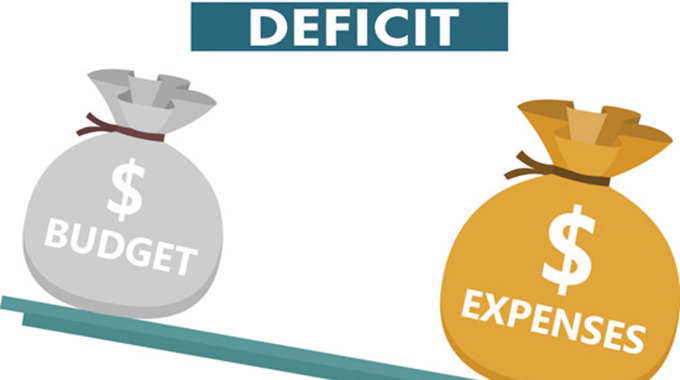
Fungai Lupande
Mashonaland Central Bureau
RUSHINGA Rural District Council (RDC) has adopted a deficit budget for this year to avert an impasse that could cripple service delivery, chief executive officer Mr Jairos Masiye has said.
This follows objections raised by the business community over the council’s proposed budget, citing poor consultations and high tarrifs.
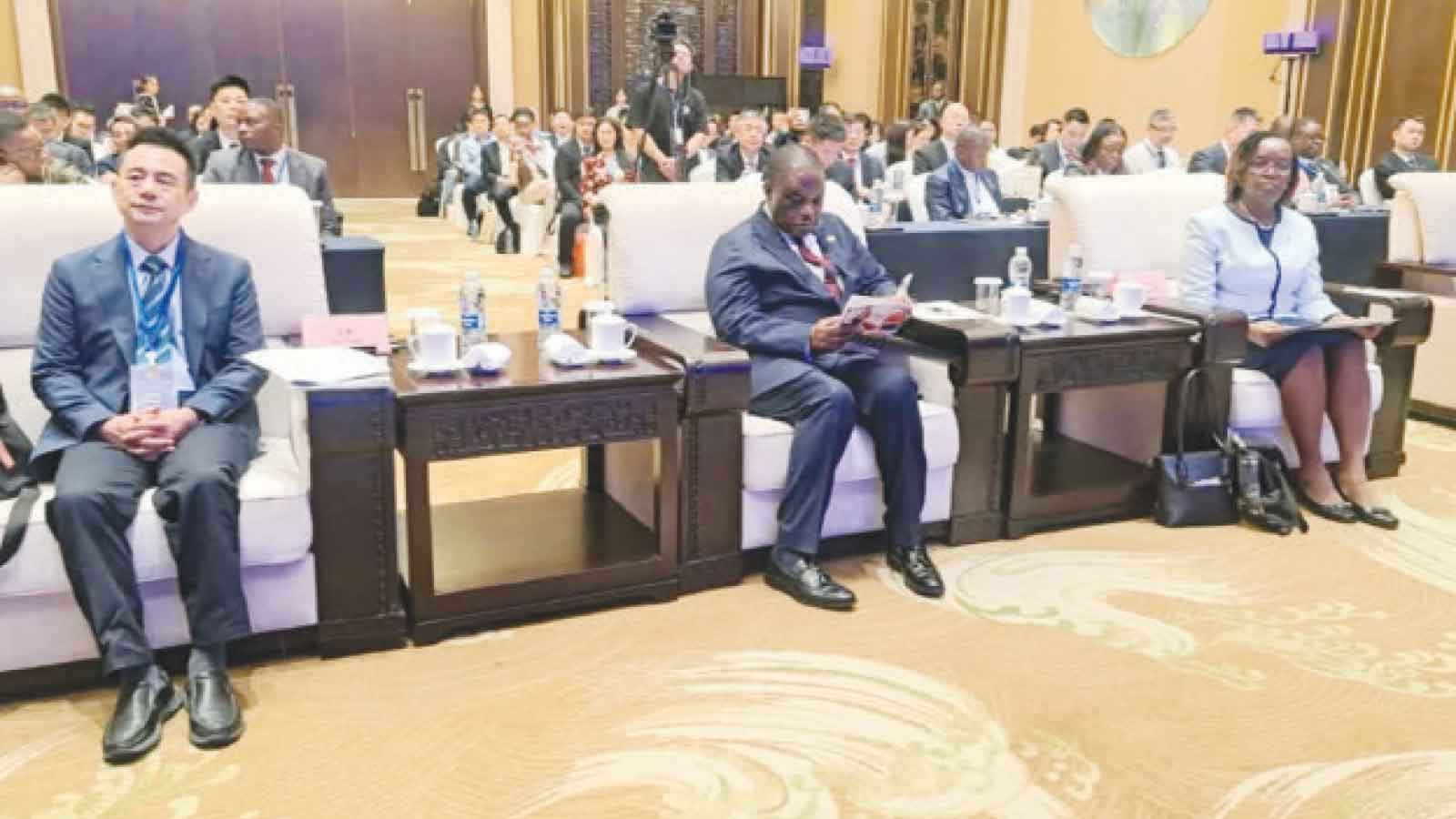
This prompted the Ministry of Local Government and National Housing to dispatch its Chief Finance Advisor, Mr Alpha Nhamo, to attend a Finance Committee meeting that was held in Rushinga over the weekend to help resolve the impasse.
Addressing councillors, members of the business community and residents during the meeting, Mr Masiye said the adoption of the deficit budget was driven by the need to preserve unity within council and ensure continued operations amid persistent revenue shortfalls and fragile stakeholder relations.
“We took this position for the sake of peace and to ensure that the council continues functioning without internal conflict,” said Mr Masiye.
“As leadership, we must stand behind one budget, even when compromises are required.”
He said the budget framework was deliberately structured to allow continued engagement with residents and the business community as the council works to strengthen its revenue collection systems.
Mr Masiye disclosed that preliminary assessments indicate the council is currently owed approximately US$1.6 million, although the figure may increase once gaps in the billing database are corrected.
Revenue inflows remain critically low, particularly from residents, who have contributed a negligible proportion of expected collections.
Mr Masiye attributed this to long-standing resistance to paying rates and rentals.
“There is a culture of non-payment that we must confront head-on if council is to survive,” he said.
To address the challenge, Mr Masiye said the council plans to implement a revised property valuation system in line with the valuation law, which has already been gazetted following consultations.
He also acknowledged deep-seated trust deficits between the council and stakeholders, fuelled by perceptions that funds paid to the council are mismanaged.
“We inherited legacy debts and damaged confidence. Rebuilding trust is now central to our recovery,” he said.
Mr Masiye said the council’s turnaround strategy, introduced in 2025, prioritises stakeholder engagement, transparency and improved service delivery to enable the the council to fund and execute projects independently.
He urged councillors to intensify grassroots engagement, stressing that sustainable revenue collection hinges on restored confidence and clear communication with residents and businesses.
Meanwhile, the Rushinga business community says it is optimistic about improved relations with council following what it described as a successful engagement on the 2026 budget.
Rushinga Integrated Business Development Community (RIBDC) chairperson Theophilas Nzuma said the consultative meeting marked a shift from past practices where stakeholder inputs were not fully reflected in submissions made to central Government.
“What was submitted this time truly reflected our input as the business community and residents of Rushinga, not figures that were portrayed as ours when they were not,” said Mr Nzuma.
“For the first time, we could see that what we raised was taken on board by council.”
Nzuma said the engagement had helped rebuild confidence between council and stakeholders after a period of strained relations.
“At some point, we were completely divorced from council, but with this kind of engagement, we are seeing a better relationship emerging.”
On the proposed rates and tariffs, Mr Nzuma said the business community was prepared to accept the 2026 charges as a starting point, provided council delivers improved management and service delivery.
“Let the 2026 tariffs be a stepping stone. They are the highest Rushinga has ever had, but if they are properly administered, the district can grow,” he said.
He added that future adjustments should remain subject to dialogue and performance reviews.
“If the tariffs are not driving development towards Vision 2030, then we must sit down again and adjust – upwards or downwards – through proper platforms,” said Mr Nzuma.
“Development can only come when council and the business community both play their part.”
Addressing the meeting, the Member of Parliament for Rushinga called on residents and council leadership to prioritise unity and development.
He said he previously served as RIBDC chairperson and worked tirelessly to develop the district.
“Budget formulation must include the needs of the community, and figures must represent the development we envision. Instead, we are regressing rather than progressing,” he said.
“We are facing similar problems with every CEO and finance officer, and I am confused about the source of the problem.”
He said conflict does not build communities and urged stakeholders to protect and build on gains achieved in the past.
“I want to be proud of Rushinga when I represent this district. Conflict does not develop a community. Let us not destroy the good things others built before us,” he said.
Mr Nhamo explained the budget formulation process to residents, telling them that in the wake of dwindling foreign aid, local authorities are required to look inward for development funding.
After the meeting, he said the Finance Committee would meet to consider the submissions before presenting feedback to a full council meeting.
If adopted, the budget will be submitted to the Ministry, while council is also required to issue a formal response to the RIBDC.
In 2025, there was a standoff between council and the business community after businesses refused to pay rates and licences.
Currently, Rushinga RDC is heavily reliant on funding from the devolution fund, ZINARA and the Constituency Development Fund.