admin
admin
Ivan Zhakata Herald Correspondent
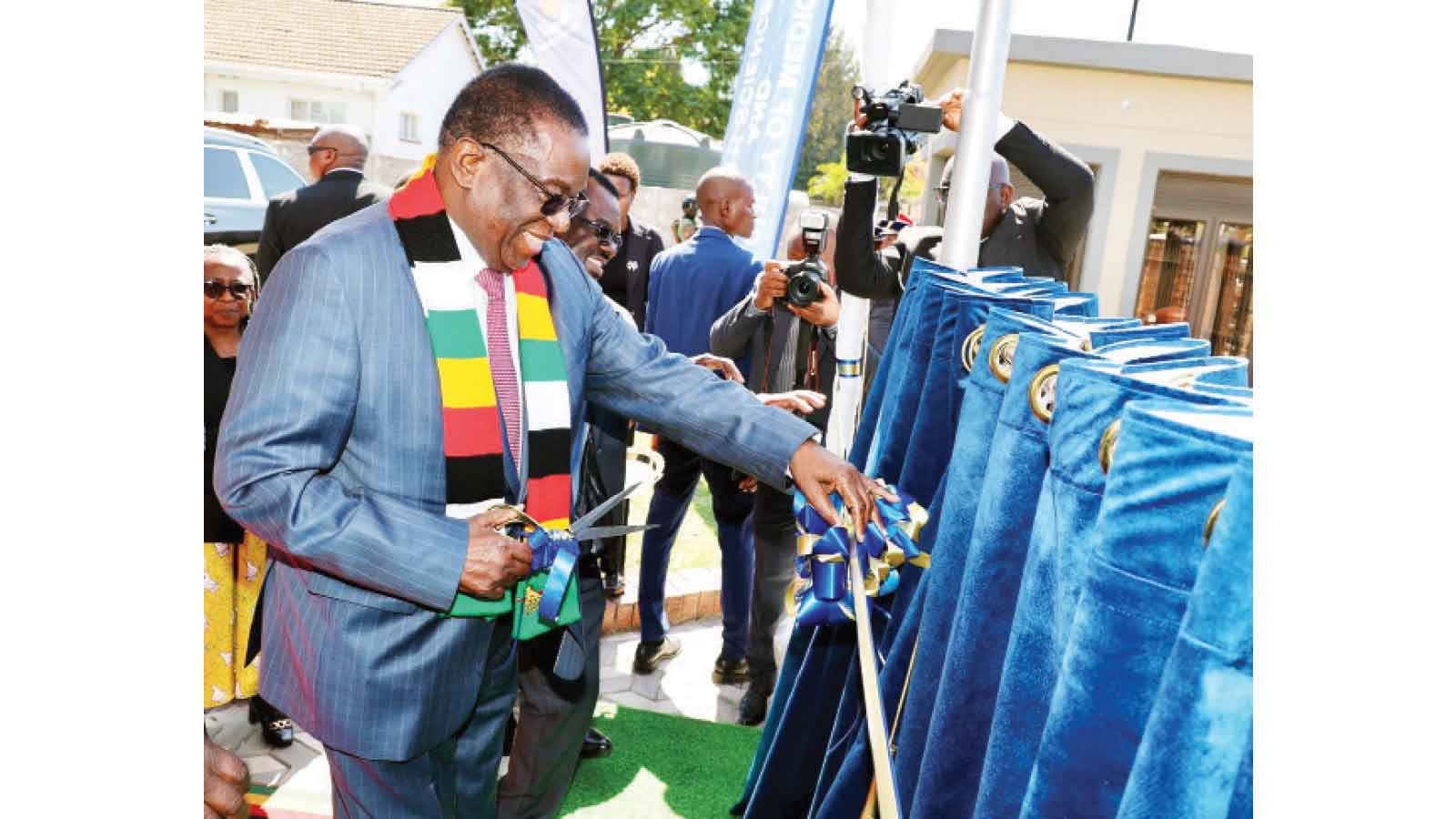
THE Russia-Africa archival and documentary exhibition dedicated to the support of the of then Union of Soviet Socialist Republics and now the Russian Federation in the fight against colonialism and neocolonialism in Africa was launched at the Museum of African Liberation in Harare.
The exhibition, done on Tuesday, showcased an array of pictures and videos which showed how African countries, particularly Zimbabwe, were assisted by Russia in the liberation struggle through training of their soldiers.
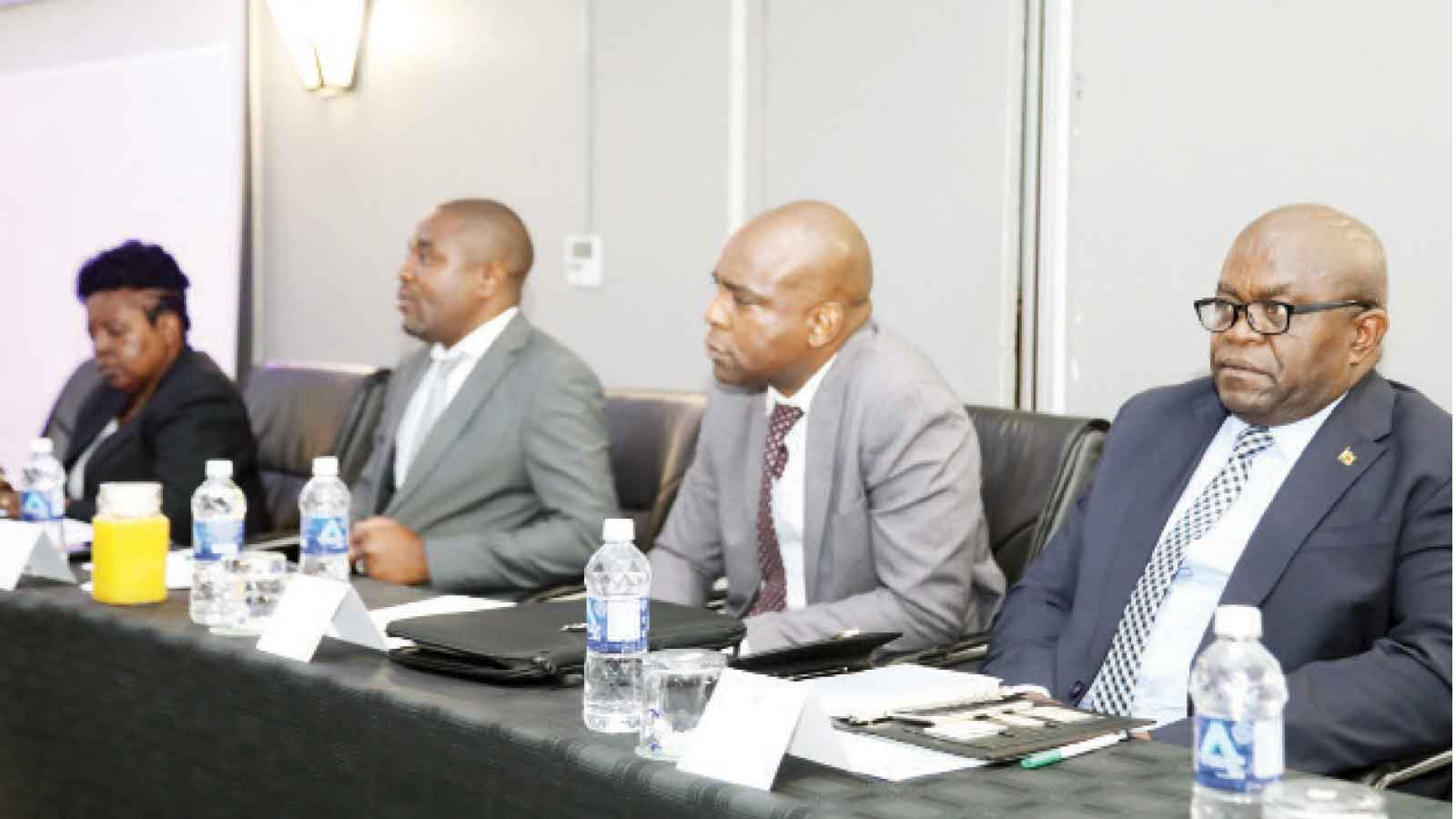
It was attended by ambassadors from other embassies, senior government officials and the Russian community in Zimbabwe, among others.
Speaking at the launch of the exhibition, Minister of Veterans of the Liberation Struggle Affairs Ambassador Christopher Mutsvangwa said the exhibition showed how Russia helped African countries to attain their independence, with particular reference to Zimbabwe.
“This exhibition entails the role of work on the part of the Russian side. They were taking pictures covering quite a long span of African history with a focus on Zimbabwe and bringing this story into something that the young generation can relate on.
“The Russians have always been open minded and cosmopolitan. They have always been promoting humanity as a whole.”
Minister Mutsvangwa said it was the Russians who broke away from the European cartel of the Berlin Conference of 1884 where Europeans decided that they would keep guns for themselves so that they subjugate other nations.
“Russia broke this in 1917 and started giving modern weapons to other nations other than Europe and that is how the Chinese got their independence, Asia got its independence and Africa got its independence,” he said
Russian Ambassador to Zimbabwe Mr Nikolai Krasilikov said they were honoured to be part of the exhibition.
“It is a great honour to participate in this exhibition and we are proud of what we have done and what we have achieved together as Zimbabwe and Russia,” he said.
“Russia and Zimbabwe have a strong relationship. My country is on the edge of this liberation struggle and we get support from Zimbabwe and like-minded sovereign states.
“In international foras we support each other. Zimbabwe is not afraid of supporting Russian initiatives and they said it loudly without fear.”
Ambassador Krasilikov said the friendship between Zimbabwe and Russia was second to none.
“Our friendship remains strong because Zimbabwe has passion and solidarity towards Russia. My reflections are not about the exhibition because an exhibition tells its own story,” he said.
Director of Centre for African Studies Dr Alexander Zotin said they were happy to come up with the exhibition.
“This historic memory is not a historic memory for Russia but it is also a historic memory for Zimbabwe,” he said.


 Online Reporter