Online Reporter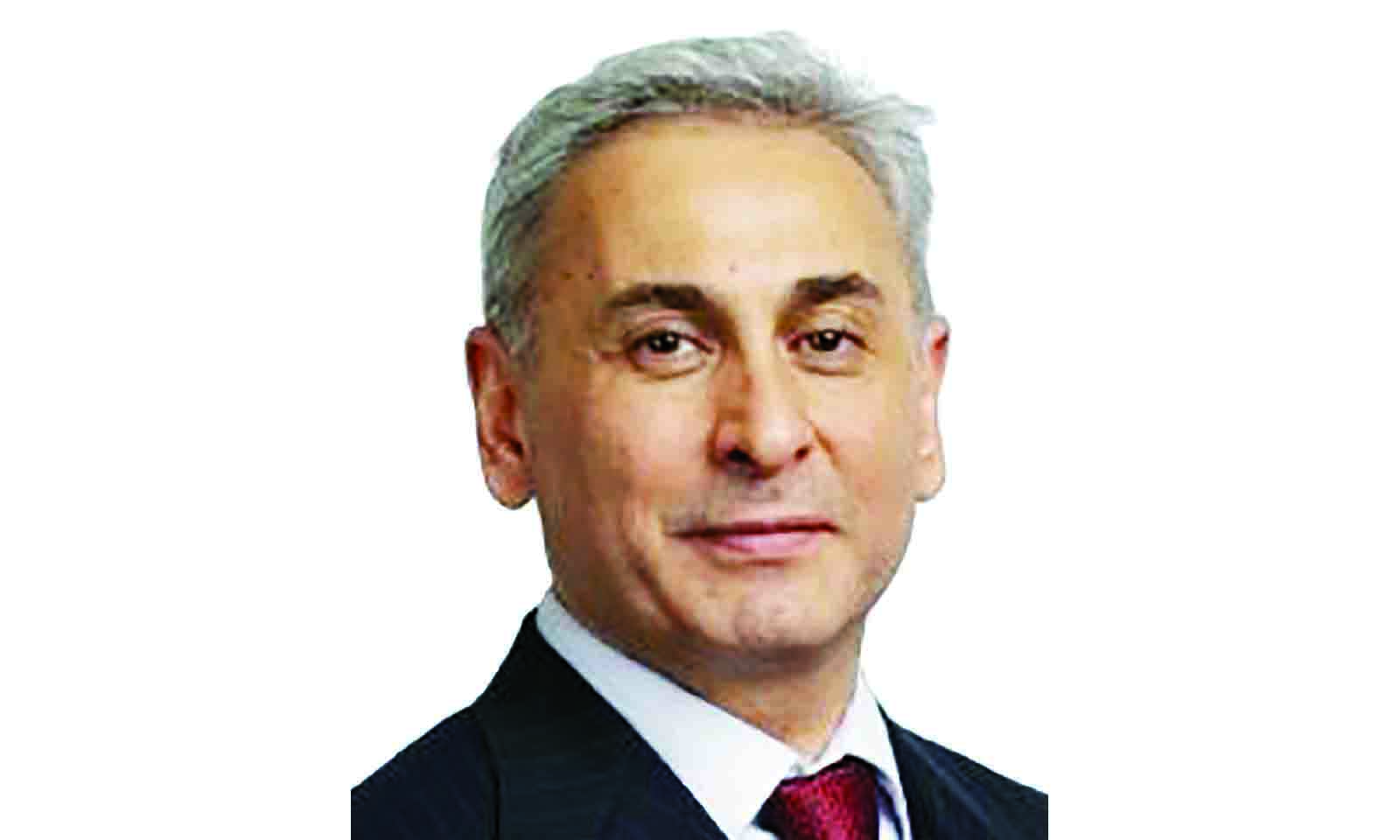
Joseph Madzimure in St Petersburg, Russia
RUSSIA is ready to boost its fertiliser exports to African countries for the continent to realise its full potential in food security.
Russia’s fertiliser exports to Africa reached 740 000 tonnes last year, with Zimbabwe being one of the recipient nations.
Speaking to African journalists who are here in Russia, attending a conference on Global Food Security, the deputy chief executive of PhosAgro Group, one of Russia’s largest fertiliser companies, Mr Siroj Loikov said:
“PhosAgro has increased its fertiliser supplies to Africa more than six-fold from 117,000 tonnes in 2018 to 740,000 tonnes in 2024.
“In 2025, the company’s fertiliser supplies to the African continent rose considerably, increasing by one third in the first six months of the year compared with the same period in 2023.”
According to Mr Loikov, Africa is one of PhosAgro’s priority areas for international development, with the company expecting to double its exports to the continent over the next five years.
PhosAgro Group is among the global leaders in the production of phosphate- based mineral fertilisers and high-grade phosphate rock.
Russia currently exports fertilisers to 21 African countries.
Mr Maxim Kuznetsov, a representative of the Russia Fertiliser Producer Association (RFPA), highlighted Africa’s growing population and the urgent need to ensure food security across the continent.
“Russia is committed to working with African countries to ensure they have enough food supply to feed their people. As a country, we have abundant fertilisers which we are eager to supply to African countries through mutual co-operation in a win-win situation. As RFPA, we have been working with African countries for a long time to ensure they realise their potential,” he stated.
He emphasised that Russia’s mineral fertilisers rank among the most environmentally friendly in the world, offering sustainable solutions to enhance agricultural productivity while minimising ecological impact
According to a recent United Nations report, about 40 percent of land in Africa suffers from degradation due to cadmium pollution through the use of fertiliser with heavy metal impurities.
Mr Kuznestov said that Russian fertiliser has no harmful concentration of cadmium pollution and other toxic substances.
“The fertiliser provides the basis of soil health products developed specifically for Africa,” he said.
Mrs Natalia Murina, a Russian agriculture specialist, underscored the importance of expanding collaborative initiatives between Russian and African agronomists through exchange programmes.
“Africa, with the right technological advancement, can be the hub for food security across the globe because of its rich soils and good climatic conditions,” she said.