admin
adminGroup for 2011-2012.
The Africa Gender Parity Group is a multi-stakeholder community of 50 highly influential leaders – 25 women and 25 men – seeking to address the continent’s gender gaps.
The AGPG, which was established in 2008, meets annually on the occasion of the World Economic Forum on Africa.
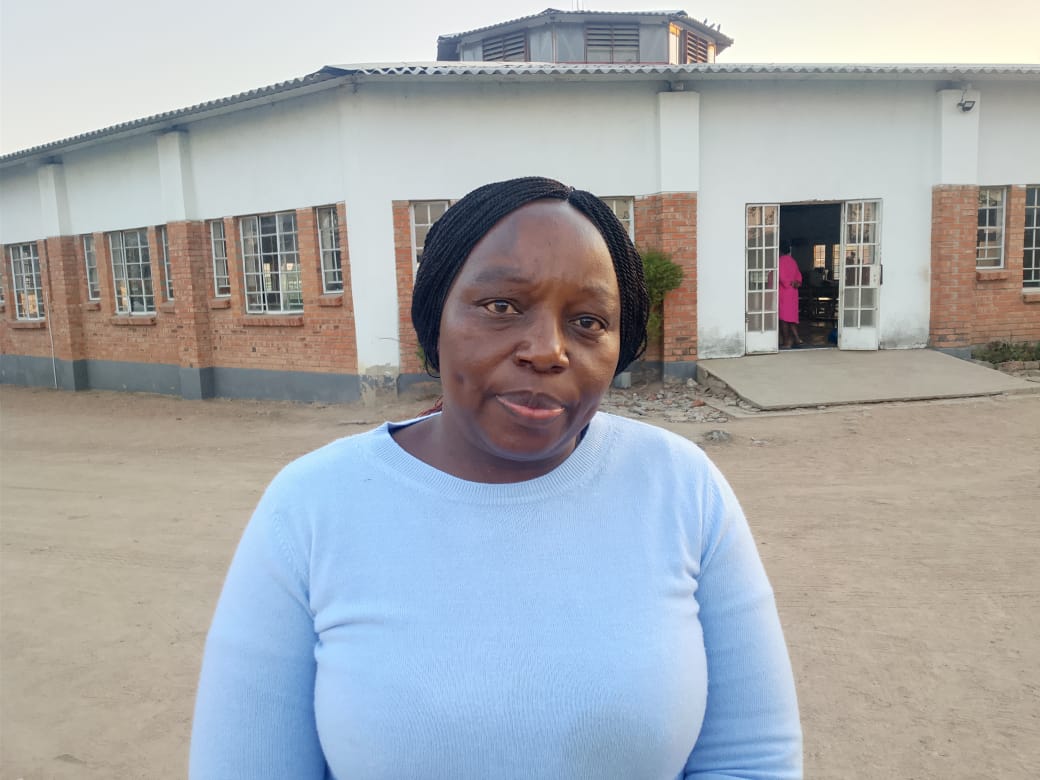
Women Leaders and Gender Parity Programme director Ms Saadia Zahidi said Ruzvidzo was appointed on the basis of her “personal commitment and (her) organisation’s successful approach” in the area of promoting gender parity on the continent.
Ruzvidzo is an award-winning journalist who also sits on the Harare Polytechnic’s Division of Mass Communication advisory board as vice chairperson.
She is also a member of the Professional Women Executives and Businesswomen Forum (Proweb) board of trustees, among other influential positions.
The World Economic Forum is an independent international organisation based in Switzerland, which is committed to improving the state of the world by engaging business, political, academic and other leaders of society to shape global, regional and industry agendas.
At the World Economic Forum on Africa summit held recently in Cape Town, South Africa, Ruzvidzo was part of the group that launched a fresh cycle of work designed to accumulate best practices and accelerate the pace of gender parity.
During the particular session, the group explored ways to effectively intervene in closing gender gaps and design a framework for pooling this often-fragmented knowledge, identified potential contributors and potential users for the various interventions, and defined a strategy for dissemination and implementation of the framework at the regional level.
Observers widely contend that closing gender gaps can have a strong impact on the growth of nations.
Several metrics and assessment tools now exist for companies and countries to measure their progress, including the World Economic Forum’s annual “Global Gender Gap Report”, and for a growing number of organisations the question has now shifted to how to close gender gaps.
To this extent, the World Economic Forum launched a project to accumulate and share best practices from businesses that have successfully impacted gender parity within their internal structures, through changes to their supply and distribution chains, and in their individual communities.
Between 2008 and last year, the group conducted a thorough analysis of the challenges and opportunities associated with gender parity, focusing in particular on women’s economic participation, and pledged personal and organisational commitments towards gender parity.
During the World Economic Forum on Africa it was noted that information on best practices tends to be fragmented and organisations often have to learn by doing, slowly, rather than learning from and building upon the experience of others.
Therefore, over the 2011 to 2012 period, the group has proposed to work to bring together leaders that have put in place successful interventions to close gender gaps and whose collective experiences could serve as valuable models for creating a new framework for gender equality.


Online Reporter
- Chronicle
- July 21, 2026
- 21 views
Emakhandeni targets first-class cricket next year
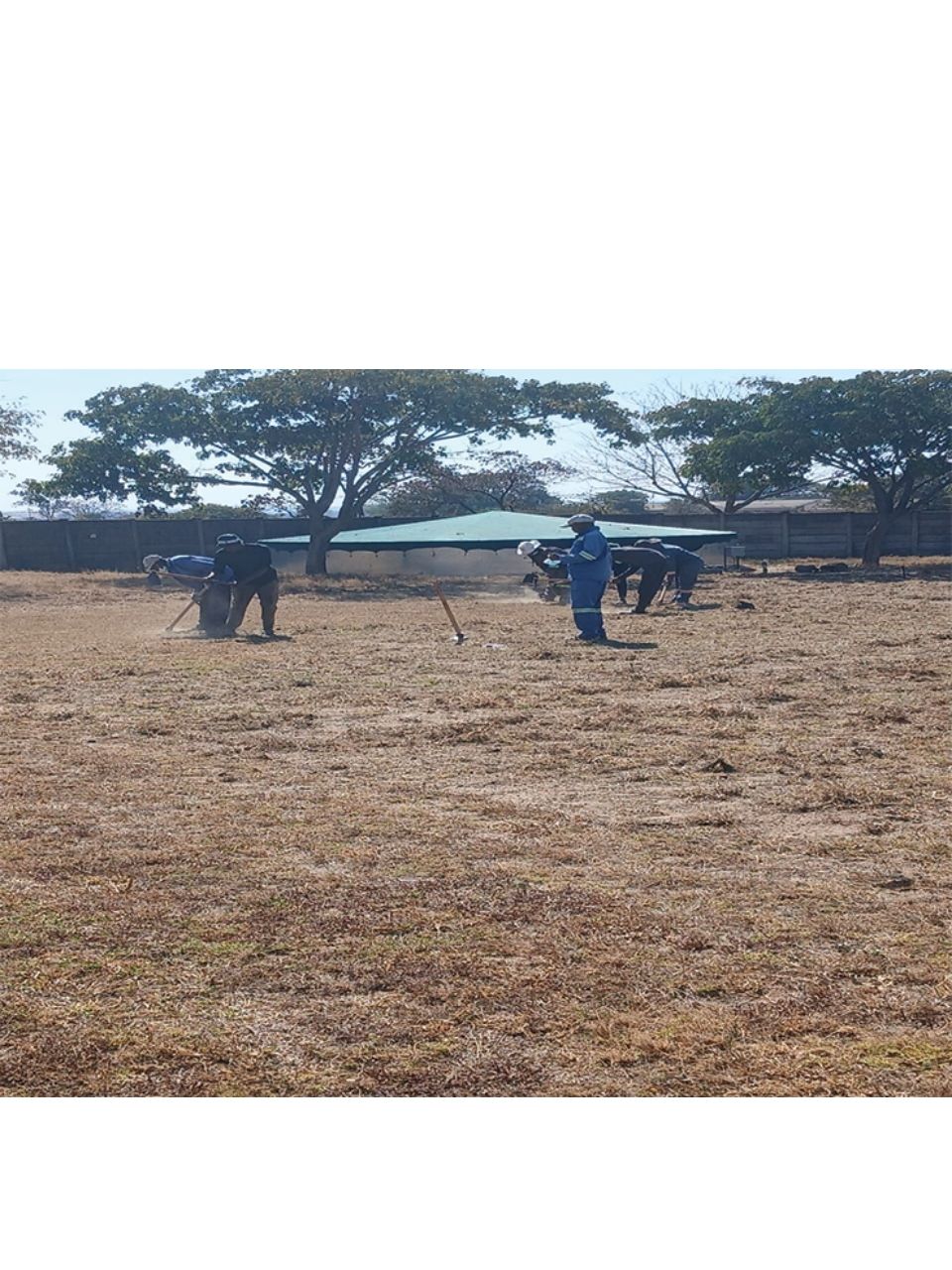
Innocent Kurira [email protected] EMAKHANDENI Cricket Club is targeting hosting first-class cricket next year as work to upgrade the facility gathers pace, with key infrastructure now taking shape at the community-based…