admin
adminto Nigerians over suspicions that their yellow fever vaccination cards were fake.
Every day since, Nigeria has turned away dozens of South Africans in retaliation.
“We apologise for this unfortunate incident and we hope this matter will not in any way affect our bilateral relations,” deputy foreign minister Ibrahim Ibrahim told reporters in Pretoria.
“We’ve put into place certain mechanisms to ensure this doesn’t happen again, and we believe that this matter is closed,” he added.
“We are in contact with the embassy in Nigeria, to see that there are no longer problems, and that any difficulties over vaccination certificates are dealt with before a visa is issued.”
He did not expect an apology from Nigeria over its retaliatory actions, he said. “We understand the reaction of the Nigerian authorities.”
The authorities have agreed to re-open an airport clinic that would allow travellers to receive yellow fever vaccines on arrival; and, to require a foreign ministry official’s consent before immigration authorities turn away large groups of travellers.
South Africa, the richest country on the continent, is struggling with its reputation for xenophobia — a perception that was reinforced after nationwide attacks on immigrants left 62 dead in 2008.
The government has moved quickly to mend this latest row.
“Cabinet expressed shock and regret at the reports regarding how African foreign nationals, particularly Nigerians, and other nationals from other parts of the world have been treated” at Johannesburg’s main airport, minister in the presidency Collins Chabane told reporters in Cape Town earlier Thursday.
On Tuesday, Nigerian Foreign Minister Olugbenga Ashiru had accused the South African authorities of targeting Nigerians.
“What you see playing out is what we call xenophobia by South Africans against all Africans — not just Nigerians — including even those from their neighbouring countries,” Ashiru added.
Friday’s incident prompted Nigeria’s Arik Air to suspend its flights to Johannesburg, though it has since resumed its service.
South Africa’s ambassador also called the Nigerian foreign ministry over the issue.
Arik, one of two airlines affected, said health officials had given the reason as incorrect or unrecognised batch numbers on the documentation. Proof of vaccination is mandatory before one can enter the country. Sales of fake vaccination cards are common at Nigerian borders. — AFP.


Online Reporter
- Herald
- September 21, 2026
- 5 views
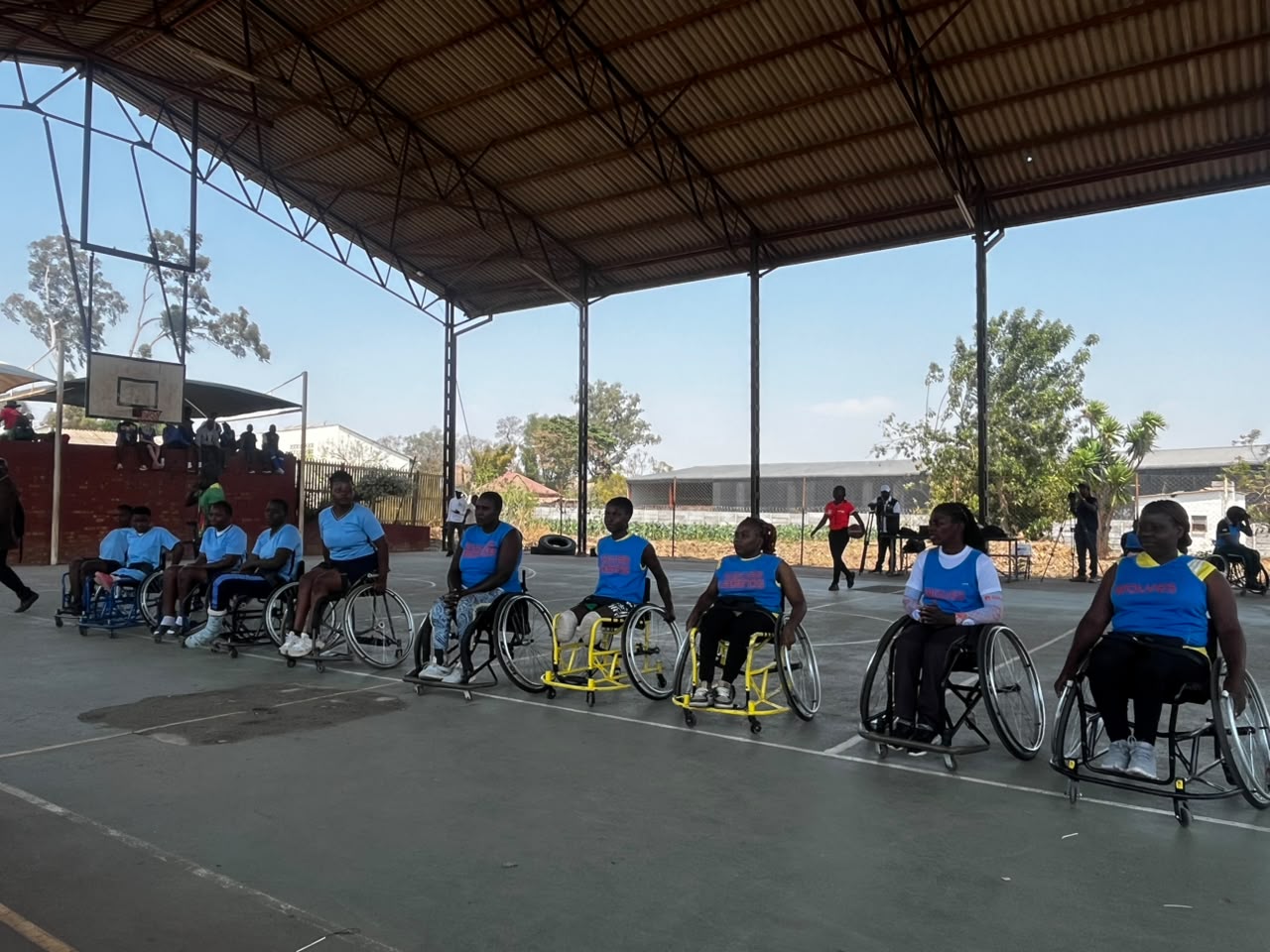
Delta Corporation marks 36 years of support for the Danhiko Annual Games
Muchaneta Chimuka Herald Reporter DELTA Corporation Limited has reaffirmed its longstanding commitment to inclusive sport and equal opportunity through its continued support of the Danhiko Annual Games. The 36th edition…