admin
admin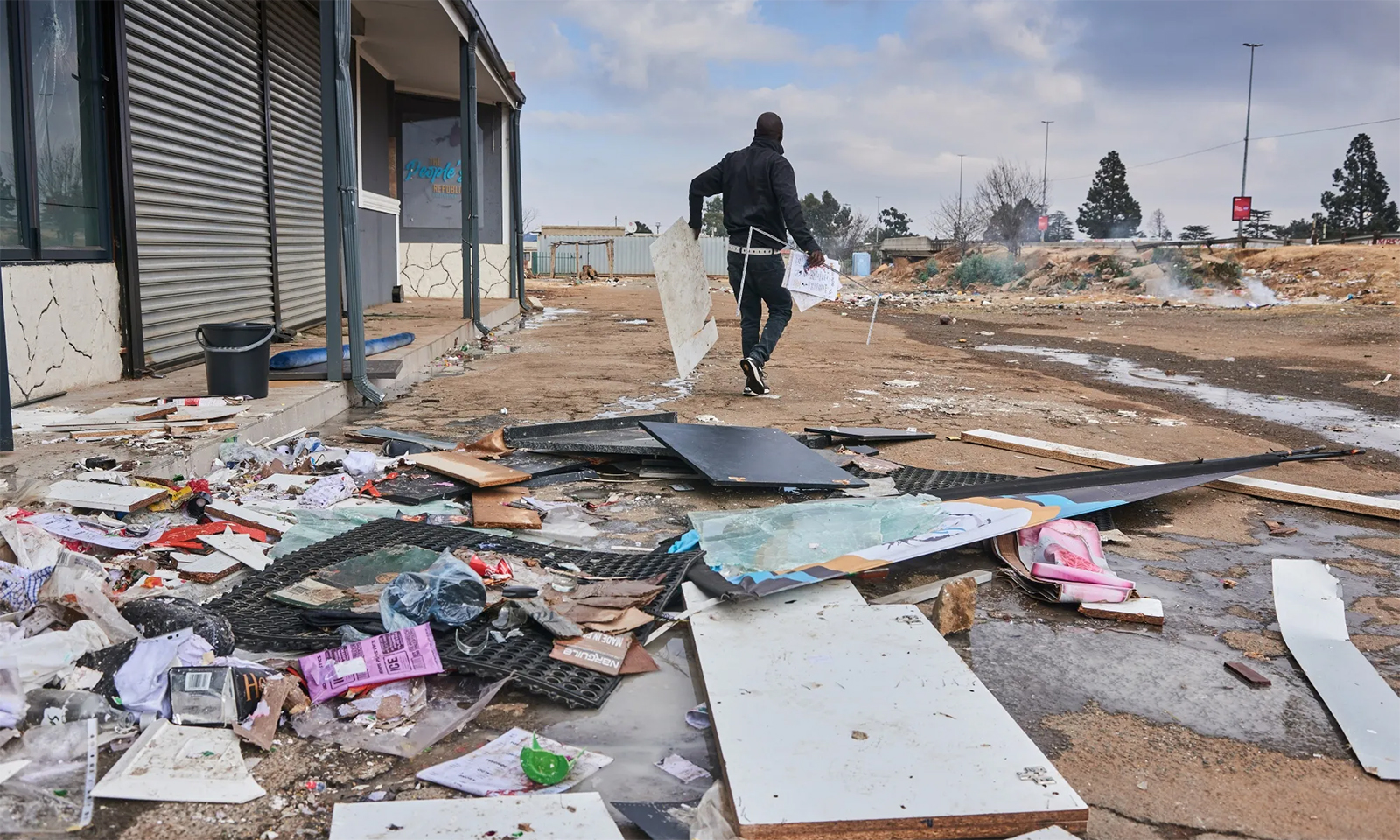
An index measuring South African business conditions slumped to the lowest level since July 2021, when deadly riots, looting and arson disrupted supply chains and curtailed output.
The S&P Global purchasing managers’ index slid to 47.4 in January, from 49.9 in December, below the 50-mark that separates growth from contraction for second straight month.
The latest reading reflected a muted start to the year for South Africa’s private sector as new orders hit a snag, said David Owen, a senior economist at S&P Global Market Intelligence.
This led to “a marked cutback in output, with weakness especially observed among service sector businesses,” he said. “The findings suggest that firms are facing challenges recouping customers in the new year, which could act as a brake on growth in the first quarter.”
Earlier in the week, a manufacturing PMI showed South Africa’s factory mood fell for the third straight month in January as businesses worried about the impact of Mozambique’s post-election unrest on trade, recent jet-fuel shortages and the planned closure of ArcelorMittal South Africa’s longs-steel production units.
The ruling African National Congress and its nine coalition partners have made faster economic growth a key priority after more than a decade of stagnation.
The S&P data also showed new business volumes contracted the most since March on the back of lower customer invoices and depressed demand from foreigners, indicated by a decline in new export orders.
“Concurrently, private-sector activity fell at a marked rate that was the sharpest recorded in 3 1/2 years,” S&P said. “Of the sectors covered, industry was the only segment to buck the wider trend and see output rise, contrasting with an especially sharp decline across the services category.”
Still, there were some bright spots, especially on supply and inflation, Owen said.
“The slow start to the year helped a number of suppliers overcome backlogs, leading to the best vendor performance since last April,” he said. “The inflation outlook appears promising, although US dollar exchange rates may be volatile in the near term as the Trump administration sets out its fiscal and foreign policy, which could aggravate purchase prices.” — Bloomberg.



 Online Reporter