admin
admin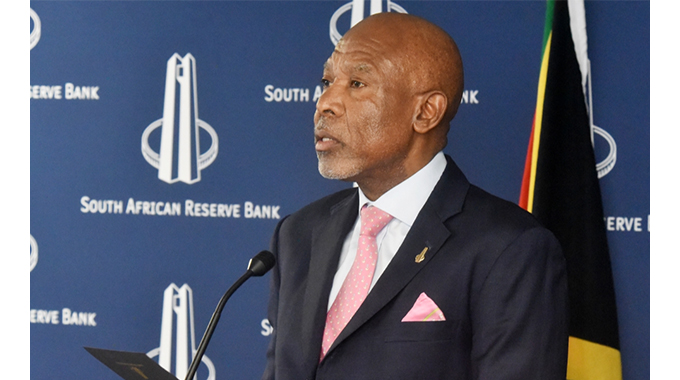
South Africa’s inflation rate crept up by less than expected in November, creating room for the central bank to deliver another cut in borrowing costs next month.
The consumer price index rose 2,9 percent in November from a year earlier, compared with 2,8 percent the prior month, Pretoria-based Statistics South Africa said Wednesday. That was slower than the 3,1 percent median of 15 economists’ estimates in a Bloomberg survey.
Forward-rate agreements, used to speculate on borrowing costs, see the South African Reserve Bank lowering its benchmark policy rate by a further 75 basis points over the next 12 months, little changed from earlier. The local currency was slightly stronger at R17,84 per dollar.
Food and non-alcoholic beverages inflation helped keep the headline number in check. It witnessed another sharp decline in November, slowing to 2,3 percent from 3,6 percent in October, marking its lowest rate since December 2010.
The slight uptick in the headline reading still leaves inflation below the central bank’s 3 percent to 6 percent target band, and will likely encourage the monetary policy committee to lower its benchmark interest rate by another 25 basis points at its next meeting on 30 January.
The MPC has cut borrowing costs by 50 basis points to 7,75 percent since starting to ease policy in September.
Governor Lesetja Kganyago signalled this week that officials would proceed carefully on interest-rate adjustments, given the unpredictable outlook for the global economy.
A combination of factors including higher domestic fuel prices, a weaker rand and concerns about US President-elect Donald Trump’s trade policies are all adding to a murkier outlook on inflation. – Bloomberg



 Online Reporter