admin
admin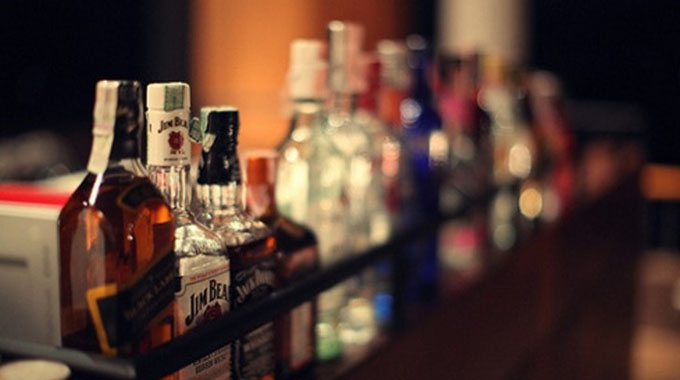
South Africa’s tavern owners have joined the liquor industry’s calls for relief, urging province authorities to waive annual licence fees for retailers and for traders to be allowed to sell alcohol for home consumption.
On Tuesday, the National Liquor Traders (NLT) said annual tavern licence fees bring in R180 million and an average licence costs R5 000. But this year, traders cannot afford their fees due to the ban on the sale of alcohol, having lost 150 trading days since South Africa’s lockdown began in 2020.
The lockdowns have been adjusted during that period depending on the severity of Covid-19 cases and due to the ongoing third wave, the government imposed a 14-month level 4 lockdown that is meant to end on 11 July. As part of the restrictions, liquor sales for been banned.
NLT’s convenor Lucky Ntimane said in addition to the waiver, the traders urged the National Coronavirus Command Council, to “at least” allow taverns to sell liquor for home consumption.
He said that since the start of the lockdown, the 36 000 registered tavern owners have not been provided with the Unemployment Insurance Fund’s Temporary Employer/Employee Relief Scheme (TERS).
“Our request for R20 000 compensation package for tavern and shebeen owners has been ignored. Instead, we are being driven further into poverty with the imposition of additional bans,” said Ntimane, referring to the group’s 2020 request.
The NLT’s plea for relief comes on the back of a similar request from the SA Liquor Brand Owners’ Association (Salba), which has asked for a tax break as concerns mount over a possible extension to the country’s level 4 lockdown.
The SA Liquor Brand Owners’ Association (Salba) said it had no choice but to make its request to the South African Revenue Service (SARS) to extend payment terms on excise duties as a result of the impact of the alcohol sales ban under current lockdown regulations.
The association represents alcohol manufacturers such as Heineken, Distell, Diageo and KWV, and also partners with sector representative bodies.
Salba’s tax deferment request is the third one it has made following four on-again-off-again bans on alcohol sales, imposed by government to keep hospitals clear of alcohol-related trauma cases, as country’s third Covid-19 wave continues.
South Africa’s liquor industry pays SARS about R2,5 billion per month in excise tax for imported and domestic products. However, a sales ban means they are paying for products that they are not selling.
The association has also asked that any deferment be extended, should the sales ban last longer than the 14-day period of the level 4 lockdown, which is meant to end on July 11.
Sibani Mngadi, Salba’s chairperson, said the industry anticipates a R6,1 billion retail sales revenue loss due to the two-week ban, with a knock-on impact on direct tax revenue for government.
“One of the few survival options to avoid a short-term liquidity challenge is to hold back on accounts payable, of which monthly excise tax payments to SARS form a big chunk. We hope SARS will be understanding and grant us deferment of excise tax payable for the whole duration of the ban,” said Mngadi.
He added that job security and sustainability for the industry depend on the on the deferment, with thousands of jobs potentially on the line.
“With no economic measures having been put in place to mitigate the devastating impact lockdown will have on the livelihoods, the hospitality, tourism and alcohol industries will continue to bear the brunt of the cycle of lockdowns and alcohol bans which looks likely to continue until we have sufficient numbers of the population vaccinated,” Mngadi added.
More than 35 000 township businesses, such as taverns, are supported by the industry, as well as over 10 000 retailers and more than 22 500 businesses such as restaurants, hotels and wine estates. – Xinhua.


 Online Reporter