Chronicle Editor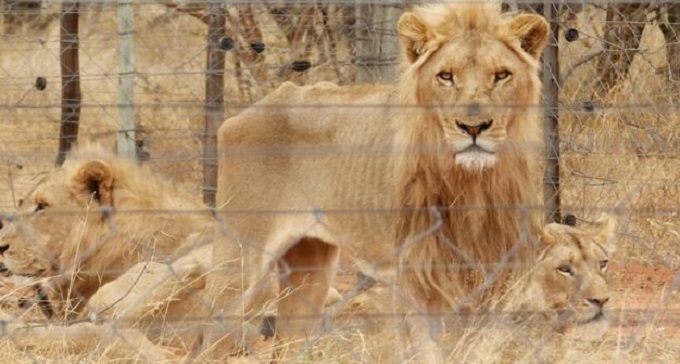
The National Assembly adopted the report of a colloquium on captive lion breeding for hunting and lion bone trade.
This includes a resolution for a reduction in the lion bone quota trade from 1 500 to the 800, according to a statement issued by the parliamentary committee on environmental affairs on Friday.
A high-level panel will also be appointed to conduct a policy review on the lion breeding and bone trade industries.
Some of the resolutions come from the committee’s two-day colloquium in August this year, which sought ways to bring an end to the “controversial practice” that is possibly threatening to harm the proud conservation image of the country.
“This practice has indeed attracted a considerable degree of international outcry against it, from both the pro-sustainable use group, comprising mainly the hunting associations and the anti-sustainable use group, consisting of animal welfare non-governmental organisations (NGOs)”, said committee chairperson Phillemon Mapulane.
“The committee unanimously made certain pertinent observations and resolutions to restore our image as a pioneering conservation nation, with positive socio-economic spin offs for our people that far outweighs what the CLB (captive lion breeding) industry generates,” he added.
Mapulane said his committee appreciated the “strategic, bold and decisive leadership” of the former acting minister of environmental affairs Derek Hanekom and newly appointed Minister Nomvula Mokonyane on the matter. — Al Jazeera


 derick.khumalo