Online Reporter
Thupeyo Muleya, Beitbridge Bureau
South Africa’s Minister of Sport, Arts and Culture, Mr Gayton McKenzie, will this Tuesday afternoon host a handover ceremony to return the last Zimbabwe Soapstone Bird, Chapungu, and ancestral remains to Zimbabwe.
It is understood that this historic moment is being driven by South African President Cyril Ramaphosa’s instruction and it marks a significant step in restoring African dignity and cultural justice.
The Zimbabwe Bird, carved from a single block of stone at Great Zimbabwe between the 11th and 15th centuries, is a powerful symbol of Zimbabwe’s identity, featured on the country’s national flag and coat of arms. Its return represents resilience, unity, and the restoration of cultural justice.
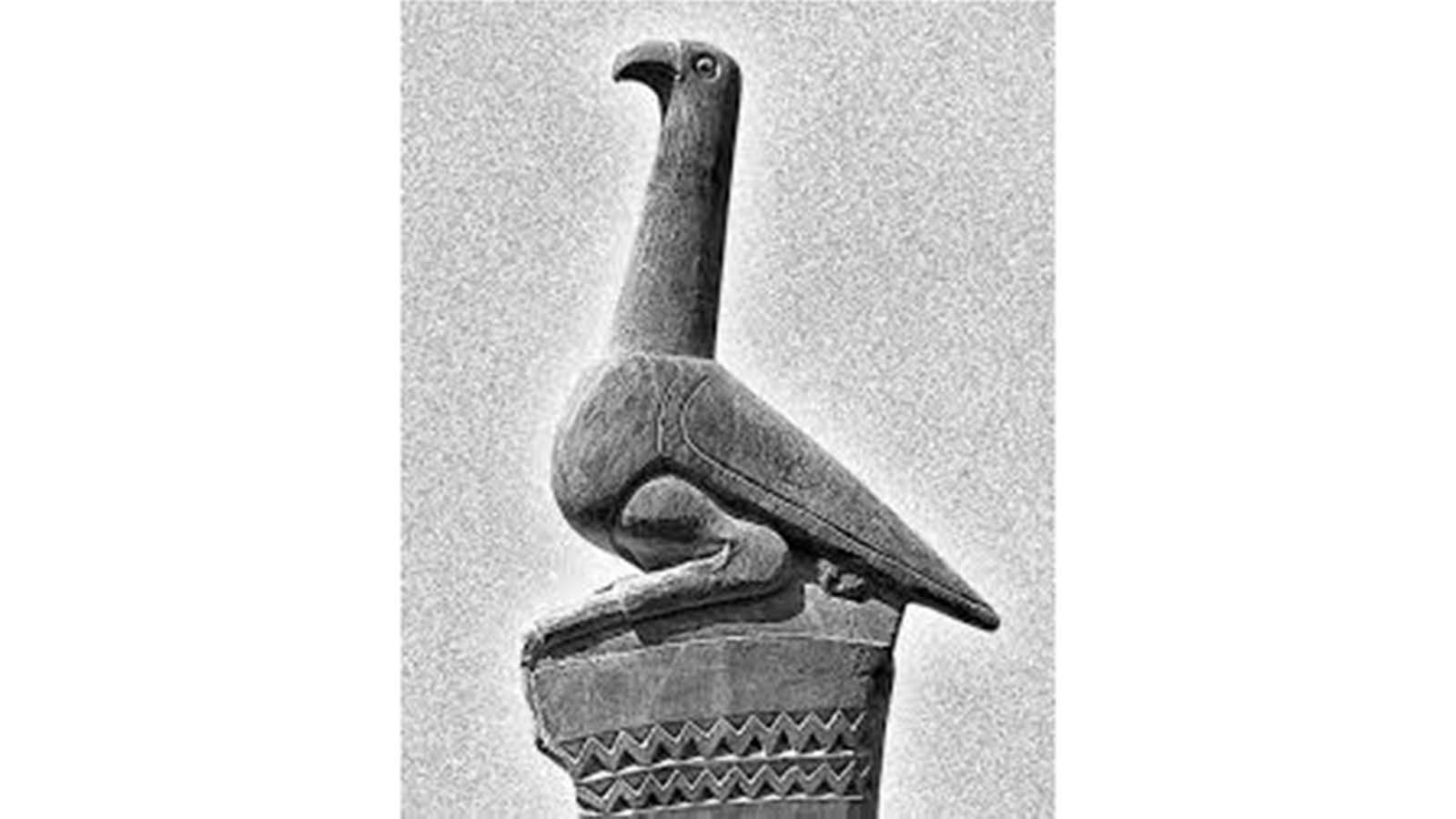
In a statement, South Africa’s Department of Sports, Arts and Culture said, Minister MacKenzie will preside over the handover ceremony to repatriate Chapungu – an artefact of national significance, along with ancestral remains, to the people of Zimbabwe before Zimbabwe’s Independence Day celebrations.
“For generations, the story of the Zimbabwe Bird has been one of pride, identity, and painful separation. Carved centuries ago from a single block of stone at the ancient city of Great Zimbabwe, these magnificent sculptures stood as guardians of powerful African civilizations that flourished between the 11th and 15th centuries. They were more than artefacts, but sacred symbols of a people, their spirituality, and their sovereignty,” said the Department in the statement.
In the late nineteenth century, during the height of colonial plunder, several of these birds were removed from Zimbabwe and scattered far from the land that gave them meaning.
For well over a century, these powerful symbols of African heritage lived in exile from the very soil that inspired their creation.
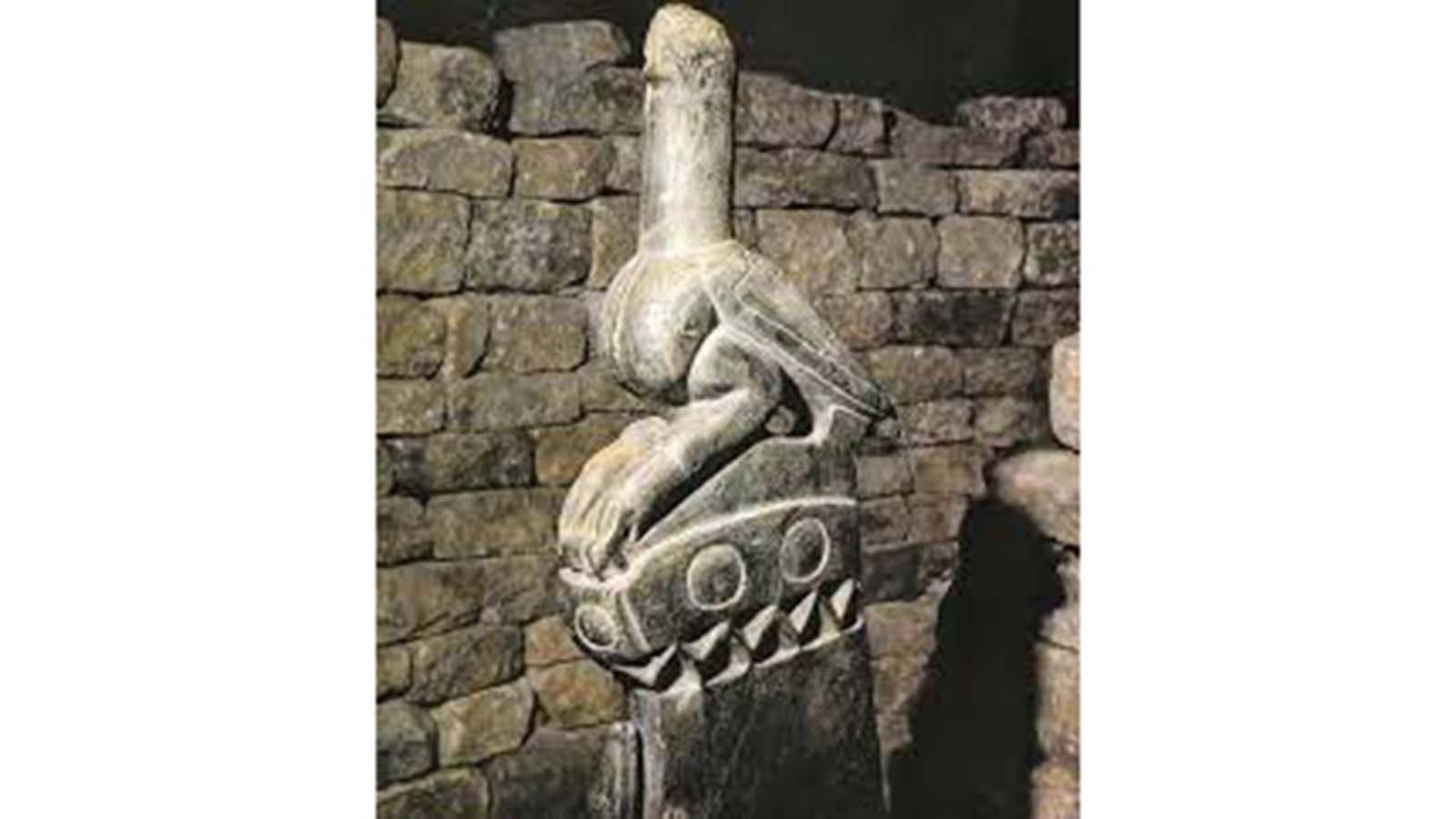
The Department highlighted that following Zimbabwe’s independence in 1980, many of the birds were returned through diplomatic engagement and international cooperation.
“Now, more than four decades after independence and nearly 140 years since the first one was taken and sold to Cecil John Rhodes, that very same statue, the last and arguably most important of the eight, is finally making its journey home,” said the Department.
In his pre-handover remarks Minister McKenzie said this moment carries deep meaning adding that the return of objects such as the Zimbabwe Bird was about justice, memory, and healing.
He also emphasized the importance of restoring African dignity through the return of heritage taken during the colonial era.
The Minister also said, he has always believed that the soul of a nation lives in its heritage.
“When something sacred is taken from a people, a part of their story is taken with it. Returning these treasures is about restoring that story, restoring pride, and restoring dignity,” said Minister McKenzie.
The Zimbabwe Bird remains one of the most powerful emblems of Zimbabwe’s identity, proudly featured on the country’s national flag and coat of arms.
Its return represents far more than the movement of a historic object. It is a symbol of resilience, unity, and the long-overdue restoration of cultural justice.
Through this act of repatriation, South Africa reaffirms its commitment to working with fellow African nations to ensure that the heritage of the continent is honoured, protected, and ultimately returned to the communities from which it was taken.
—


 Bongani Ndlovu