Herald Correspondent in LILONGWE, Malawi
The four-day conference of the heads of Anti-Corruption Agencies of the Southern African Development Community member states held in the Malawian capital, Lilongwe, ended yesterday with a call to strengthen regional co-operation in the fight against corruption.
The conference brought together the heads of anti-corruption agencies from the 16 SADC member states. They called for support from SADC Heads of State and Government in strengthening the legal framework, providing operational resources and structural safeguards, and building intra-agency coordination within the sub-region to address the complex nature of modern corruption.
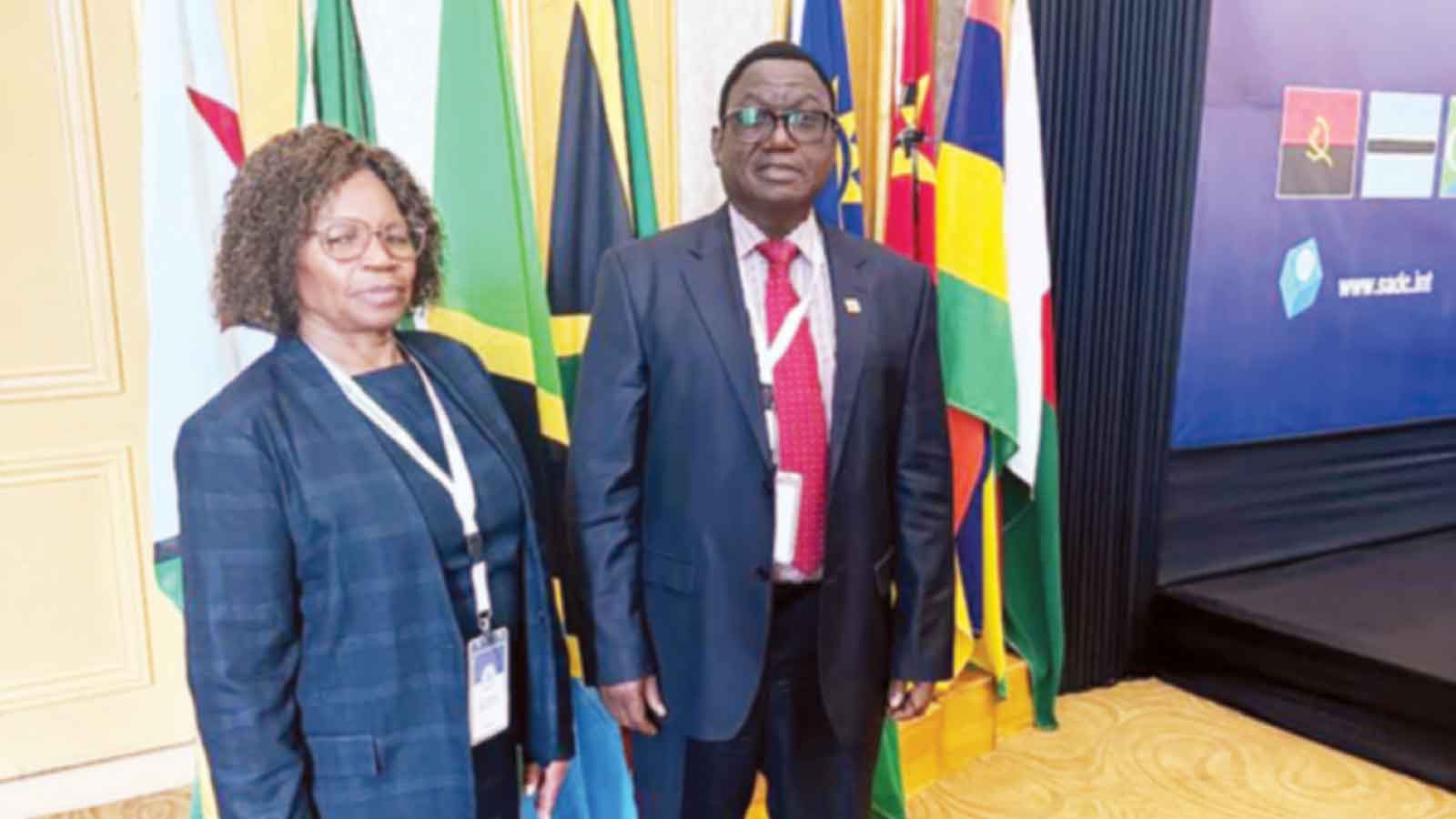
Commissioners Kindness Paradza and Betty Wenjere represented the Zimbabwe Anti-Corruption Commission (ZACC).
In the final communiqué, the heads of anti-corruption agencies stressed the need to implement continuous and specialised training for judges, magistrates, prosecutors and investigators on the technical dimensions of corruption cases, including financial investigations, digital forensics and electronic evidence management, to reduce delays and improve conviction rates.
The conference lamented the slow pace of asset recovery across the SADC region, compared to the scale of illicit financial flows.
Persistent capacity gaps, weak coordination among key institutions and the underutilisation of available legal and financial intelligence tools were also cited as some of the handicaps in the fight against graft and subsequent asset recovery.
To counter these shortfalls, the heads of SADC anti-corruption agencies agreed to embark on a more systematic, coordinated and operationally focused regional approach to identify, freeze, confiscate and manage illicitly acquired assets.
The conference also proposed expanding the use of non-conviction-based asset forfeiture mechanisms to preserve state resources in cases where criminal convictions are not easily achievable or can be delayed.
There was also a call for an urgent review of extradition treaties and mutual legal assistance legislation to ensure alignment with the SADC Protocol Against Corruption and remove procedural bottlenecks that frustrate cross-border co-operation.
Regional corruption-fighting agencies also agreed to intensify collaboration through the Asset Recovery Inter-Agency Network for Southern Africa or equivalent regional platforms for joint investigations, asset tracing and the exchange of investigative material across jurisdictions.
The conference expressed concern about the fragmented, inconsistently enforced and in some countries, total absence of laws aimed at protecting whistleblowers from serious retaliation.
They commended Zimbabwe for drafting the Whistleblowers and Witness Protection Bill, which is currently before Parliament.
Other SADC member states were urged to expedite the enactment of comprehensive, standalone national whistleblower protection legislation and to develop cross-border whistleblower protection mechanisms to address cases where disclosure involves transnational corruption or where collaborators or informers face risks across jurisdictions.