Tapiwanashe Mangwiro
Zimbabwe is pursuing membership in the Asian Infrastructure Investment Bank, an international development finance institution, to unlock cheaper long-term capital for infrastructure, industrialisation and private sector expansion.
Zimbabwe cannot borrow from traditional multilateral lenders like the International Monetary Fund and World Bank because of unpaid debts (arrears) and unsustainable overall debt.
International lenders block new loans until a country clears its past debts and creates a plan for economic stability. It is, however, not just about numbers — the restrictions on borrowings are also highly political.
Under its sanctions law, the Zimbabwe Democracy and Economic Recovery Act (ZIDERA), the US government opposes any new loans, credit extensions, or debt cancellation for Zimbabwe from multilateral institutions.
Because the US holds voting blocks and effective veto power within these multilateral financial institutions, its mandated opposition acts as a major roadblock to concessional finance from the Bretton Woods financiers.
Zimbabwe’s pursuit of membership in Beijing-based AIIB comes after the country recently entered formal negotiations to join the New Development Bank (NDB), another fledgling development financier, also known as the BRICS Bank, to widen access to cheaper long-term development finance.
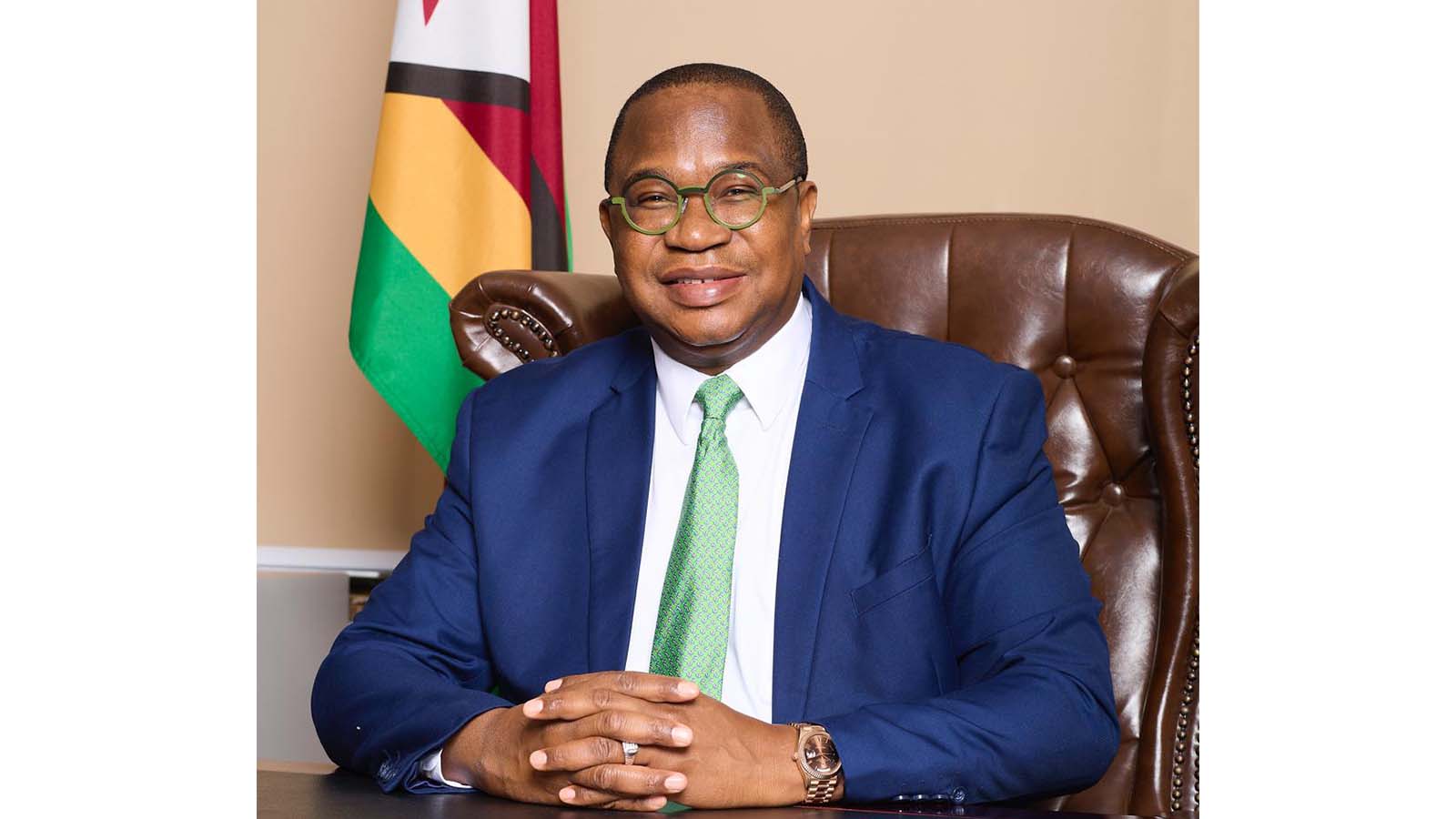
Finance, Economic Development and Investment Promotion Minister Professor Mthuli Ncube said the Government had intensified engagements with the emerging multilateral lenders to expand financing options for the economy.
Speaking to journalists on Wednesday after attending the World Economic Forum Annual Meeting of the New Champions in Dalian, China, Minister Ncube said membership of the two institutions would enable the Government and local companies to access more affordable funding.
“We have applied to join the BRICS Bank and that membership application is being considered and processed,” he said.
“I also visited the Asia Infrastructure Investment Bank with a view to getting Zimbabwe to join this bank. The idea is to always have choices and alternatives for sourcing capital for both our private sector and sovereign debt.”
With over 110 approved members worldwide, AIIB operates with US$100 billion in authorised capital. China and India remain the top two shareholders.
AIIB has surpassed US$70 billion in total approved financing across more than 360 projects since it began operations in 2016.
Minister Ncube said efforts to join AIIB and BRICS Bank were not intended to replace traditional lenders but diversify funding sources at a time when African countries are facing rising borrowing costs and limited access to concessional finance.
“We are seeking membership so that we can borrow going forward, and our companies in Zimbabwe can also borrow,” he said.
“Really, it is just to expand the choices, the offering and the options for the private sector and Government.”
President Mnangagwa’s Second Republic heavily prioritises investment in infrastructure to expand road networks, power generation, water security and digital connectivity to boost national development and regional trade.
Institutions such as the BRICS Bank and AIIB, the Treasury chief noted, are multilateral organisations owned by member states and not by individual countries.
Economist Gladys Shumbambiri-Mutsopotsi commended the move, saying access to a broader range of development finance institutions will strengthen Zimbabwe’s capacity to fund long-term productive investments.
“Development banks play a critical role in providing patient capital that is often unavailable through commercial markets. Expanding Zimbabwe’s access to these institutions creates opportunities to finance infrastructure, industrial projects and value-addition initiatives that are essential for economic transformation,” she said.
Ms Shumbambiri-Mutsopotsi noted that development finance institutions typically offer longer repayment periods and more favourable financing structures than commercial lenders, making them particularly suitable for large-scale national projects.
Development economist Dr Tawanda Muringi said Zimbabwe’s strategy reflected changing dynamics in global finance, where countries are increasingly seeking multiple sources of capital to support growth.
“The significance of these institutions lies not only in sovereign borrowing but also in the opportunities they create for private sector participation.
“Membership can unlock financing windows for local businesses involved in manufacturing, mining, beneficiation, renewable energy and infrastructure development,” he said.
Dr Muringi said the country’s engagement with emerging multilateral lenders demonstrated a pragmatic approach to economic development.
“No single institution can meet all of Zimbabwe’s financing requirements. Broadening the pool of development partners improves access to capital and strengthens the country’s ability to implement long-term economic development programmes,” he added.
Zimbabwe is already a shareholder in several regional and continental financial institutions, including the African Development Bank, African Export-Import Bank and African Finance Corporation.
The latest push to join additional development banks comes as the Government seeks to mobilise greater investment into infrastructure, industrialisation and private sector-led growth, key pillars of the country’s drive towards attaining upper-middle-income status by 2030.
Analysts say widening access to development finance could help accelerate strategic projects while reducing reliance on expensive commercial borrowing, creating a stronger foundation for sustained economic expansion.