Tendai Gukutikwa
Post Reporter
FOR a black woman in colonial Rhodesia, life was defined by limitations.
The colour of one’s skin determined where one could live, work and receive an education.
Women, particularly black women, occupied the lowest rung of a rigid social order that offered little space for leadership or public visibility.
Politics was dangerous. Activism invited persecution. Families linked to nationalist movements faced harassment, surveillance and exclusion.
Yet, in the face of these barriers, Mrs Sarah Shingirai Jahwi built a life rooted in spirit, compassion and quiet purpose.
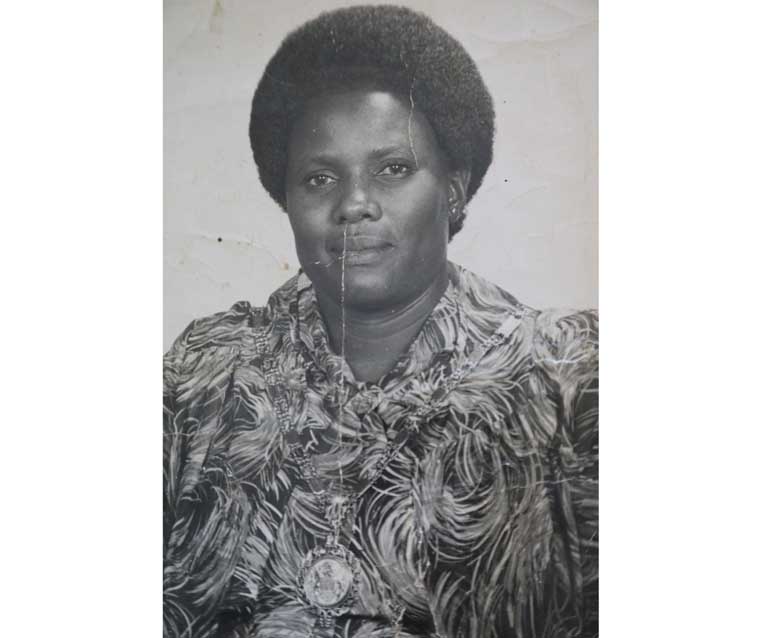
Mrs Jahwi, who died on June 13, aged 92, and was buried at Yeovil Cemetery last week, leaves a legacy that stretches far beyond her title as Mutare’s first black mayoress.
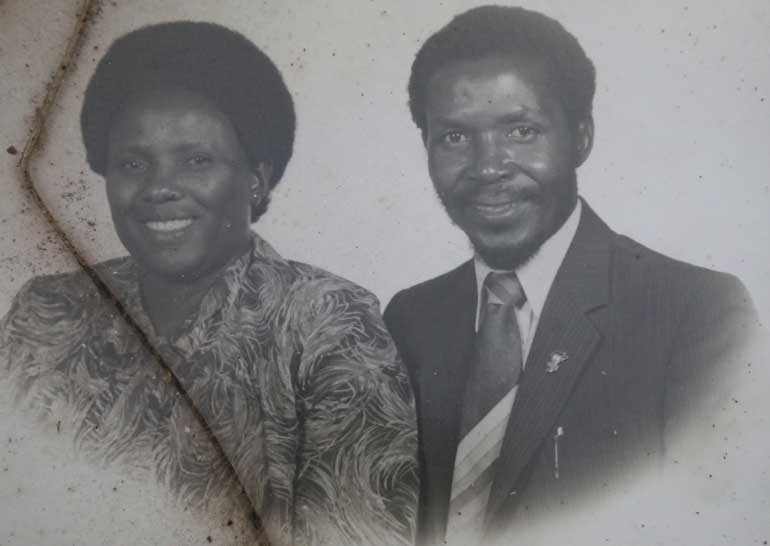
As wife of the late Mr Davidson Jahwi, Mutare’s first black mayor from 1982 to 1985, she became a symbol of the transformation that followed Zimbabwe’s independence. Yet long before she entered the Civic Centre as mayoress, she had already spent years confronting racial discrimination, political persecution, and the burden of raising a family during the liberation struggle.
Born on May 24, 1934, Mrs Jahwi came of age when opportunities for black women were severely restricted.
In an interview, her son, Mr Maxwell Jahwi, said his mother’s story reflected the experiences of many women who sustained families and communities during Zimbabwe’s most difficult years.
“People know her as Mutare’s first black mayoress, but that title tells only part of her story. She was a woman of immense strength, resilience and generosity. She endured hardship without complaining, and always placed the needs of others before her own,” he said.
The late Mrs Jahwi’s life became intertwined with the struggle for independence through her husband, a prominent nationalist whose activities attracted the Rhodesian authorities’ attention.
As political tensions escalated in the 1970s, the Jahwi family was declared persona non grata in Umtali, now Mutare.
“My parents were banned from staying in Umtali because of my father’s political involvement. At a time when families needed stability and security, they were forced to live with uncertainty and exclusion,” said Mr Jahwi.
The ban meant Mrs Jahwi could not enjoy basic freedoms many take for granted today. Instead, she commuted daily from Old Mutare while caring for her growing family.
“From around 1974, she travelled every day to ensure that life continued despite the challenges we were facing. She had to manage the household, care for the children and support my father while dealing with the discrimination and restrictions imposed on black families,” said Mr Jahwi.
Her responsibilities increased dramatically when Mr Davidson Jahwi left for Mozambique in 1975 to join the liberation struggle.
For the next five years, until independence in 1980, Mrs Jahwi became both mother and father to their six children.
“My father was away in Mozambique for five years, and my mother held everything together. She never allowed us to feel the absence of our father. She made sure we went to school, she put food on the table and she kept the family united,” recalled Mr Jahwi.
He described her as fiercely independent and hardworking.
“She did not collapse under the pressure. She remained strong and focused because she believed her children deserved a better future,” he said.
At a time when many women relied entirely on their husbands for financial support, Mrs Jahwi found ways to generate income and provide for her family. She worked as a secretary for B&C Bus Company, and later became involved in several family businesses, including retail, farming and construction.
She remained economically active well beyond retirement age.
“She believed that hard work was a lifelong responsibility. Even in old age, she would wake up early and keep herself busy. She taught us that age is nothing but a number,” he said.
Independence in 1980 transformed the Jahwi family’s fortunes.
After years of exclusion, they returned to Mutare and participated fully in the city they had once been barred from entering.
For Mrs Jahwi, the journey from political exile to the Civic Centre carried deep personal significance.
When her husband became Mutare’s first black mayor in 1982, she automatically assumed the role of mayoress.
In many ways, her appointment symbolised the dismantling of racial barriers that had once defined the city.
“To move from being banned from Umtali to becoming the city’s first black mayoress was extraordinary. It represented the changes that independence brought, not only for our family but for black people across the country,” Mr Jahwi said.
Although the title of mayoress was traditionally linked to the mayor’s office, Mr Jahwi said his mother used her position to champion causes close to her heart.
“Her presence meant that she could promote the welfare and well-being of women and children. There wasn’t much discussion about women’s empowerment at that time, but because she was visible in public life, she showed other women what was possible,” he said.
He added that she demonstrated that women could occupy important spaces and contribute meaningfully to society.
“For a woman once barred from Mutare because of the colour of her skin and her family’s political beliefs, becoming the city’s first black mayoress was a remarkable achievement,” he said.
Yet perhaps her greatest triumph was, not the title she held, but the lives she touched.
“Her legacy endures in the generations she raised, the people she welcomed into her home and the barriers she helped break for the women who followed,” said the son.
As mayoress, Mrs Jahwi participated in community initiatives and worked alongside other women associated with local authorities. She supported pre-school programmes and served on various committees focused on social welfare.
“When my father attended official events and delivered speeches, she was always there beside him, but she was not there simply as an observer. She had her own interests, particularly in supporting women and improving the lives of children,” said Mr Jahwi.