Online Reporter
Judith Phiri, Features Writer
THE Southern African Development Community (SADC) leather sector is experiencing a period of growth and development, with initiatives aimed at strengthening the value chain, promoting regional integration and boosting industrialisation.
This sector holds significant economic potential, contributing to job creation and export earnings through key critical strategies such as the development of regional model policies, capacity building for small to medium enterprises (SMEs) and fostering collaboration between public and private sectors.
The spotlight was recently on Zimbabwe, as SADC held its very first Regional Forum on the Leather Industry in Bulawayo, with support from the German Government, marking a significant milestone for the industrialisation of this strategic sector.
The Forum was followed up by a two-day SADC Leather Value Chain Business-to-Business (B2B) Workshop that ran under the theme: “Accelerating Regional Integration: Building Sustainable Partnerships for Leather Value Chain Transformation.”
These two key events were an important step under the broader SADC Industrialisation Strategy and Roadmap (2015–2063), which aims to transform the region from a resource-based economy into one driven by value addition and high productivity as well as the SADC Leather Regional Model Policy Framework.
The events came at a time when Zimbabwe’s leather sector received a major boost as Comesa recently handed over Satellite Leather Design Studio equipment worth 150 000 euros to the Leather Institute of Zimbabwe (LIZ) in Bulawayo — a critical milestone for players in the industry.
Funded by the European Union through the EU Development Fund, the studio is expected to focus on the upper-value chain stratum and enhance higher downstream impact for all stakeholders in the wider leather industry.
The Design Studio is set to improve the competitiveness of leather products, assisting small and medium enterprises in the sector to access both regional and global markets.
What’s in store for the leather sector players in the SADC region going forward?
The Africa Leather and Leather Products Institute (ALLPI) has called SADC member states’ leather sector players, to play an active role in the global leather market, which is projected to grow steadily from an estimated US$480 billion in 2025 to over US$681 billion by 2030, driven by demand in both traditional and emerging segments.
ALLPI Regional Design Studio Manager, Mr Preston Viswamo said footwear remains dominant, but demand is rising in automotive and fashion segments.
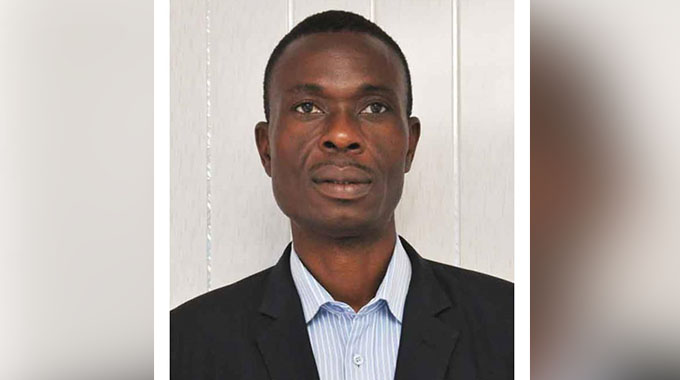
“When looking at shifting demand across sectors, in 2025 footwear is at 40 percent, automotive 25 percent, fashion 20 percent and upholstery at 15 percent. By 2030, footwear will be at 35 percent, automotive 30 percent, fashion 25 percent and upholstery 10 percent.
“This is because of the rise of eco-conscious consumers and eco-conscious buyers prefer sustainably sourced leather.
This means sustainability, recycling and animal welfare. Eco-preferences of Generation Z and millennial buyers shows that 62 percent prefer eco-labelled leather and 45 percent are willing to pay more for traceability. The scenario impacts sourcing and branding globally,” he said.
SADC Secretariat senior programme officer for value chains Mr Calicious Tutalife said the leather sector initiative for member states aims to foster policy harmonisation to boost growth across the regional leather value chain, which started in 2023, with calls to align policies to regional policies.
“As member states for the leather value chain, we are at different levels, and therefore by engaging and listening to one another, I think we can find out how we can collaborate more. Not just in terms of learning from other member states, but we can work with one or two member states,” he said.
“Of course, those that are closest to us in terms of geographic borders, but nothing stops us from collaborating, even with those that might be further away, depending on the opportunities for synergies or common issues that we are working on.”
German International Co-operation (GIZ) Leather Value Chain Team leader, Mr Klaus Heinz said leather products manufacturing training programmes were key for players in the SADC region to produce more products that will be exported.
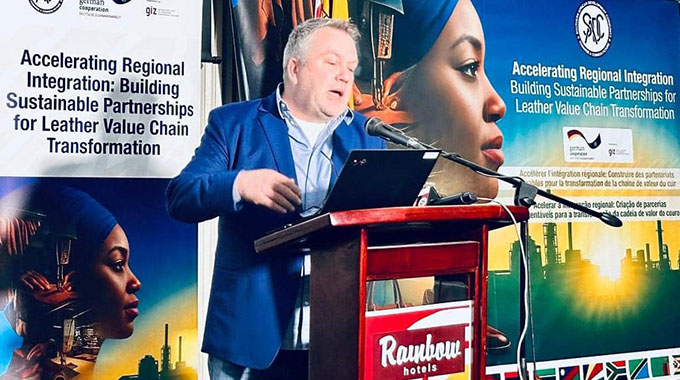
He said increased production ensures that these countries move from being net importers of finished leather and leather products due to the undeveloped leather value chain from slaughter facilities, adding that capacitating entrepreneurs to be able to reduce imports of leather products is important.
“GIZ, through programmes such as the Co-operation for the Enhancement of SADC Regional Economic Integration (CESARE) continues to support SADC in developing the leather value chain. Previous programmes such as the SADC Region Support to Industrialisation and Productive Sectors (Sips) were also key in addressing key constraints that are currently impeding industrialisation in the SADC region,” he said.
“It has tackled market and co-ordination failures between the national and regional levels, as well as between the public and private sectors. The aim is to boost regional industrialisation and trade in the leather sector.”
SADC region leather industry players’ perspectives
Ministry of Industry and Commerce, Bulawayo Province director Mrs Mary Chingonzoh, said Bulawayo, with its rich heritage as the nation’s industrial heartland, has a long-standing history in the textile and leather industries.
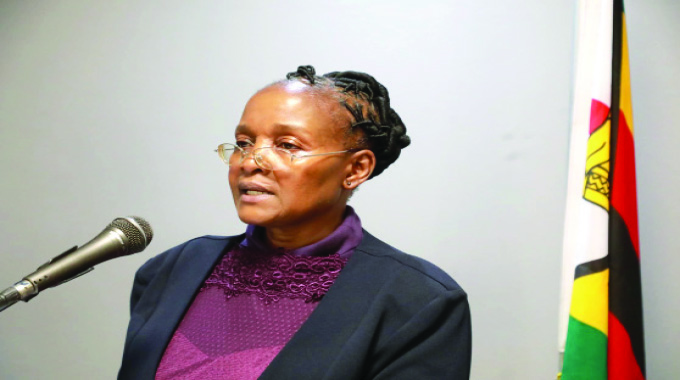
She said the shared, overarching objective was to harness the immense, untapped potential of the leather industry, recognising it as a strategic sector for driving profound economic transformation across Southern Africa.
Secretary for the Zimbabwe Leather Development Council (ZLDC) Mr Jacob Nyathi said for Zimbabwe to realise the full potential of its leather industry, policy and financial incentives were necessary.
There is need to address the issues of exporting hides and skin and importing leather products in the region, which can be produced locally.
Democratic Republic of the Congo (DRC) representative, Mr. Jose Likoko said there was need for SADC to put in place frameworks to improve leather quality, while also introducing a joint funding platform with local banks to support local players.
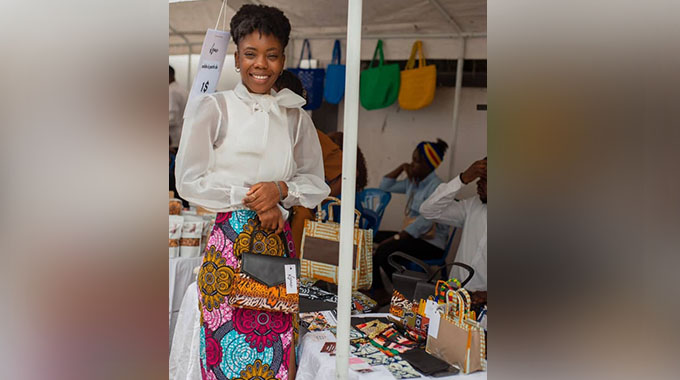
Mr. Daniel Nathan Mkama from Malawi said the SADC leather sector’s low-hanging fruits include better raw material use, SME support and regional trade facilitation, while reinforced collaboration, skills development and investment can transform the sector.
Integration and support of SADC region women leather industry players.
Women in the SADC region are increasingly tapping into the leather sector, leveraging opportunities in a traditionally male-dominated industry to drive economic empowerment and sustainable livelihoods.
The leather industry spanning hides and skins processing, footwear, bags, belts and other leather goods, presents significant potential for value addition and export growth for women in the sector.
Mkla Africa Sales and Marketing Manager, Mrs Tendani Sibanda, said they were into leather products such as bags, wallets and hats, among others, that are all handmade.
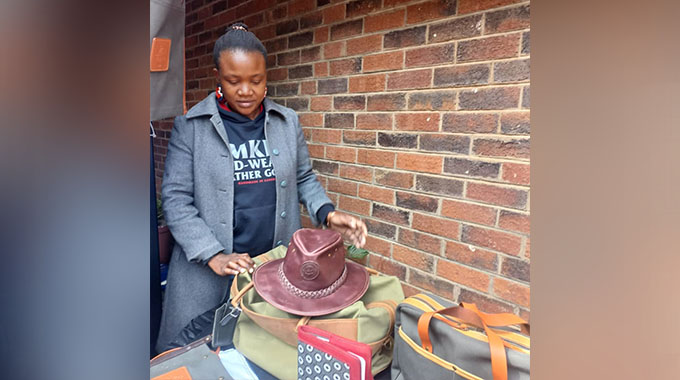
She said they were servicing the Botswana market, but with more training and support, they were looking forward to tapping into exporting into the region through SADC initiatives.
Afritech Organic Leather Founder, Chief Executive Officer (CEO) and Technical Expert, Dr. Cecelia China from Tanzania, said they sustainably made premium leather products, while their latest development using cashew husk tannins was a game-changer for sustainable leather processing in Africa.

She said they were looking for investment to scale tannin production, partnerships with tanneries and chemical distributors as well as research and development (R&D) collaborators for formulation optimisation.
Women in Leather Zimbabwe Chairperson, Ms. Otilia Ndlovu of Treadsoftly Leather Products under the Bulawayo Leather Cluster, called for assistance in accessing funding as women in the leather sector as most financial institutions consider women as higher risk, while also requiring collateral that they typically do not possess.
The SADC leather sector has high growth potential, especially in finished products. With better policies, investment and skills development, the region could shift from being a raw material supplier to a global competitor in leather goods.