Online Reporter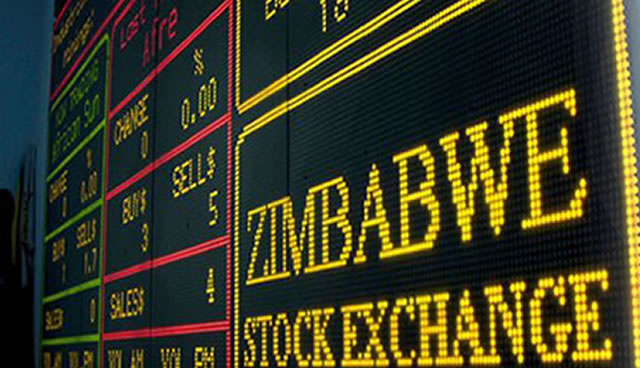
Tapiwanashe Mangwiro, Zimpapers Business Hub
THE Zimbabwe Stock Exchange (ZSE) remains optimistic about its prospects, buoyed by sustained growth in quoted investments and performance, now encompassing real estate investment trusts (REITs) and exchange-traded funds (ETFs). These innovations are designed to broaden investor participation and deepen market engagement.
Despite tight liquidity across the wider economy, the exchange has recorded notable growth. According to ZSE Chief Executive Officer Mr Justin Bgoni, turnover for the first half of 2025 doubled compared to the same period in 2024.

This upward trend continued into July, which saw record turnover since the launch of the electronic trading platform. While liquidity constraints continue to temper sustained gains, Mr Bgoni told ZTN Prime’s Beat the Market that the current trend is more positive than many realise.
The Victoria Falls Stock Exchange (VFEX), a subsidiary of the ZSE, historically characterised by low trading volumes, is also experiencing an uptick.
Mr Bgoni stressed the importance of diversification: “If I sell my shares in one company, I need to be able to get into another one. So, if there is not much diversity, I will not sell.”
Trading on the VFEX tripled in value in the first half of 2025 compared to the same period in 2024, demonstrating that increased listings are directly supporting liquidity. Investors who previously held VFEX shares as stable US dollar-denominated assets are now more willing to trade, reflecting growing confidence in the market’s depth.
Looking ahead, the VFEX anticipates additional listings. A gold mining company is reportedly seeking a secondary listing, with two to three more potential listings expected before year-end.
Furthermore, the exchange may introduce two ETFs and a long-term Government bond, offering investors more avenues to diversify their portfolios.
“Hopefully, they are successful in their listing. We are expecting between two and three others before the end of the year. There might be two ETFs that come, and we believe that we might get a long-lasting Government bond. We like the process that we have in terms of listings,” Mr Bgoni said.
He also highlighted that the exchanges are preparing to expand into digitised financial products, including digital commodities and currencies. These instruments will allow investors to gain exposure to gold or other assets in digital form, aligning with the global trend towards tokenised financial instruments.
While regulations are still being finalised, the ZSE expects approvals by early next year, with market launches to follow shortly thereafter.
“This is a space we are actively engaging with. We are talking to a lot of participants interested in bringing digital assets to the market. Once regulations are finalised, we should be able to launch them next year,” he added.
Market performance, while promising, continues to be influenced by macroeconomic conditions. The Chief Executive acknowledged that liquidity constraints remain a key challenge: “The Zimbabwe Government has tight liquidity across the economy, and it is not just us.”
Nevertheless, the ZSE’s strong first-half performance suggests that innovation, coupled with growing market confidence, can help offset broader economic pressures.
The exchanges’ strategy reflects a broader philosophy that liquidity begets liquidity. By increasing the number of listings and introducing new products, the ZSE and VFEX aim to create a more dynamic market where investors can actively trade and diversify. Early indications suggest this approach is gaining traction, evidenced by rising turnover and greater investor participation.
With both the ZSE and VFEX expanding their product offerings, the outlook for Zimbabwe’s capital markets is cautiously optimistic. New listings, record turnover, and the imminent launch of digital financial products signal a market evolving in sophistication and depth.
While macroeconomic hurdles persist, the exchanges’ focus on product diversification and liquidity management positions them well for continued growth.
As Mr Bgoni concluded: “We like what we are seeing. We like the trend.”
The combination of increased listings, innovative investment products, and digital asset expansion suggests that Zimbabwe’s stock exchanges are navigating current challenges while laying the foundation for a more robust, accessible and forward-looking capital market.