Online Reporter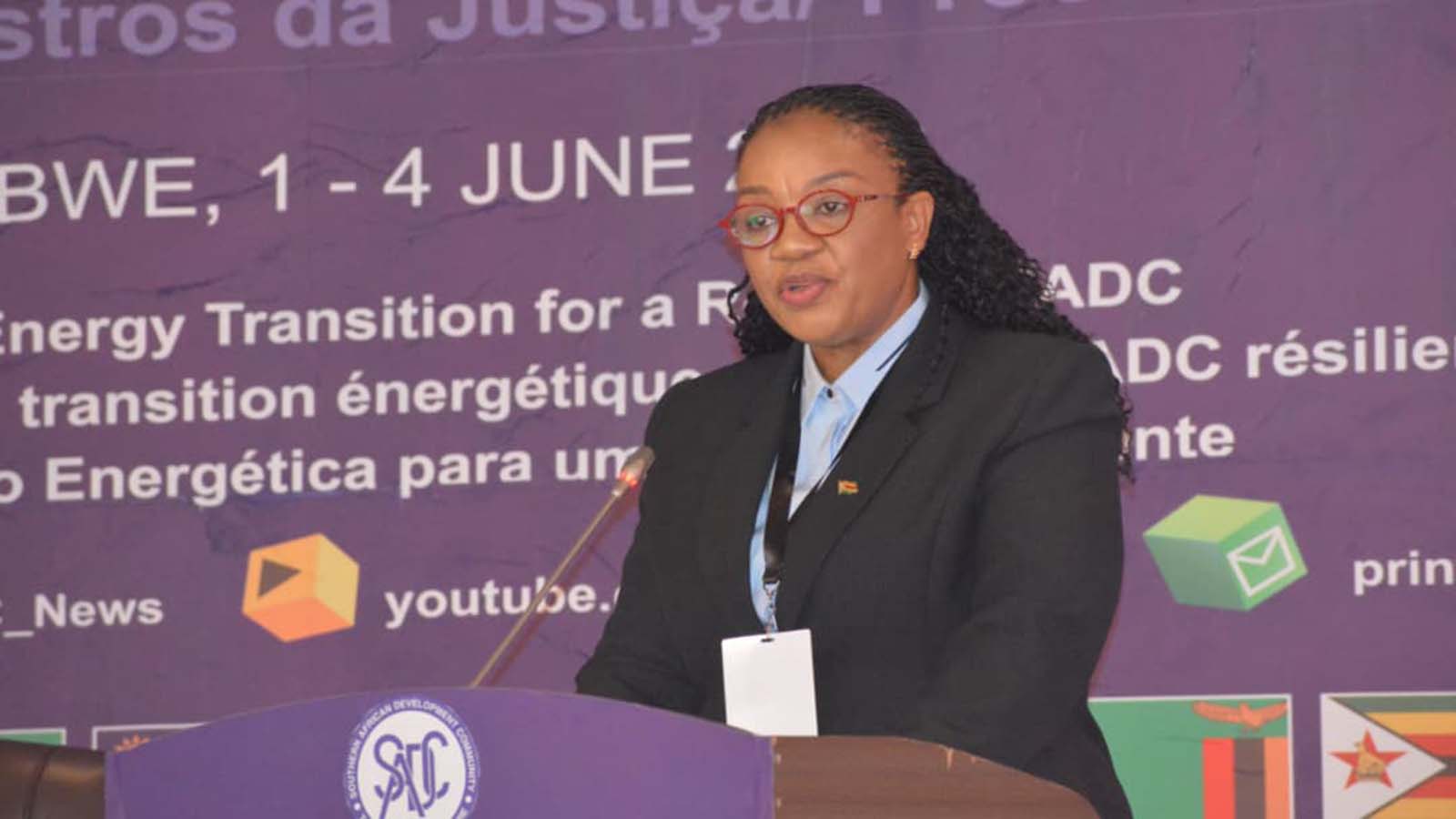
Ivan Zhakata in VICTORIA FALLS
SADC legal experts have been urged to strengthen justice systems and deepen legal cooperation to advance regional integration, good governance and sustainable development as senior legal officials from member states began deliberations ahead of the 44th Session of the Committee of Ministers of Justice and Attorneys General in Victoria Falls on Monday.
The meeting, which precedes the ministerial session, is expected to formulate recommendations on key legal and governance issues affecting the region.
Opening the senior officials’ plenary, Permanent Secretary in the Ministry of Justice, Legal and Parliamentary Affairs, Mrs Vimbai Nyemba, said the gathering came at a critical time when citizens across Southern Africa were demanding efficient, transparent and accountable institutions capable of delivering tangible results.
Mrs Nyemba said delegates were meeting as custodians of justice and guardians of the rule of law with a responsibility to improve the lives of more than 400 million people in the region.
“The decisions we make during this meeting will extend far beyond conference rooms and official meetings.
“They will influence how institutions function, how our economies interact, how our citizens access justice and how future generations experience the promise of regional integration,” she said.
Mrs Nyemba said that the law remained a critical instrument for development, stability, and economic transformation when properly crafted and effectively implemented.
“The law, when properly crafted and effectively implemented, becomes more than a set of rules. It becomes an instrument of development, a foundation for stability and a bridge to opportunity,” she said.
Mrs Nyemba described the senior officials’ forum as the technical engine of the ministerial process, tasked with interrogating complex legal issues, identifying practical solutions to implementation challenges and building consensus on matters with far-reaching implications for the region.
“We are the bridge between policy aspirations and practical implementation. We transform political commitments into workable legal frameworks and regional objectives into actionable progress,” she said.
Mrs Nyemba said the quality of decisions adopted by ministers would depend on the rigour of the analysis and recommendations developed by senior officials.
“In many respects, the success of the ministerial meeting begins in this room,” she said.
“The quality of the decisions taken by ministers will depend heavily on the rigour of the analysis, the quality of the legal advice and the strength of the recommendations developed in this forum.”
Mrs Nyemba urged delegates to ensure that discussions produced outcomes that would improve the lives of citizens across the region.
“These discussions are not merely technical exercises in legal study. They are about creating conditions that enable our people to thrive,” she said.
Mrs Nyemba said regional integration could only succeed if it were anchored on strong legal foundations that respect the sovereignty of member states while promoting greater cooperation and harmonisation.
“The future of Southern Africa will not be shaped by chance. It will be shaped by the decisions we make today, by the institutions we strengthen and by the partnerships we nurture,” she said.
Mrs Nyemba called on member states to reaffirm their commitment to justice, good governance and regional solidarity and said legal cooperation remained one of the most effective tools for advancing peace, prosperity and sustainable development.
Zimbabwe is hosting the 44th Session of the SADC Committee of Ministers of Justice and Attorneys General in Victoria Falls, where member states are expected to deliberate on measures to strengthen legal cooperation and deepen regional integration. Ivan Zhakata in VICTORIA FALLS
SADC legal experts have been urged to strengthen justice systems and deepen legal cooperation to advance regional integration, good governance and sustainable development as senior legal officials from member states began deliberations ahead of the 44th Session of the Committee of Ministers of Justice and Attorneys General in Victoria Falls on Monday.
The meeting, which precedes the ministerial session, is expected to formulate recommendations on key legal and governance issues affecting the region.
Opening the senior officials’ plenary, Permanent Secretary in the Ministry of Justice, Legal and Parliamentary Affairs, Mrs Vimbai Nyemba, said the gathering came at a critical time when citizens across Southern Africa were demanding efficient, transparent and accountable institutions capable of delivering tangible results.
Mrs Nyemba said delegates were meeting as custodians of justice and guardians of the rule of law with a responsibility to improve the lives of more than 400 million people in the region.
“The decisions we make during this meeting will extend far beyond conference rooms and official meetings.
“They will influence how institutions function, how our economies interact, how our citizens access justice and how future generations experience the promise of regional integration,” she said.
Mrs Nyemba said that the law remained a critical instrument for development, stability, and economic transformation when properly crafted and effectively implemented.
“The law, when properly crafted and effectively implemented, becomes more than a set of rules. It becomes an instrument of development, a foundation for stability and a bridge to opportunity,” she said.
Mrs Nyemba described the senior officials’ forum as the technical engine of the ministerial process, tasked with interrogating complex legal issues, identifying practical solutions to implementation challenges and building consensus on matters with far-reaching implications for the region.
“We are the bridge between policy aspirations and practical implementation. We transform political commitments into workable legal frameworks and regional objectives into actionable progress,” she said.
Mrs Nyemba said the quality of decisions adopted by ministers would depend on the rigour of the analysis and recommendations developed by senior officials.
“In many respects, the success of the ministerial meeting begins in this room,” she said.
“The quality of the decisions taken by ministers will depend heavily on the rigour of the analysis, the quality of the legal advice and the strength of the recommendations developed in this forum.”
Mrs Nyemba urged delegates to ensure that discussions produced outcomes that would improve the lives of citizens across the region.
“These discussions are not merely technical exercises in legal study. They are about creating conditions that enable our people to thrive,” she said.
Mrs Nyemba said regional integration could only succeed if it were anchored on strong legal foundations that respect the sovereignty of member states while promoting greater cooperation and harmonisation.
“The future of Southern Africa will not be shaped by chance. It will be shaped by the decisions we make today, by the institutions we strengthen and by the partnerships we nurture,” she said.
Mrs Nyemba called on member states to reaffirm their commitment to justice, good governance and regional solidarity and said legal cooperation remained one of the most effective tools for advancing peace, prosperity and sustainable development.
Zimbabwe is hosting the 44th Session of the SADC Committee of Ministers of Justice and Attorneys General in Victoria Falls, where member states are expected to deliberate on measures to strengthen legal cooperation and deepen regional integration.