Online Reporter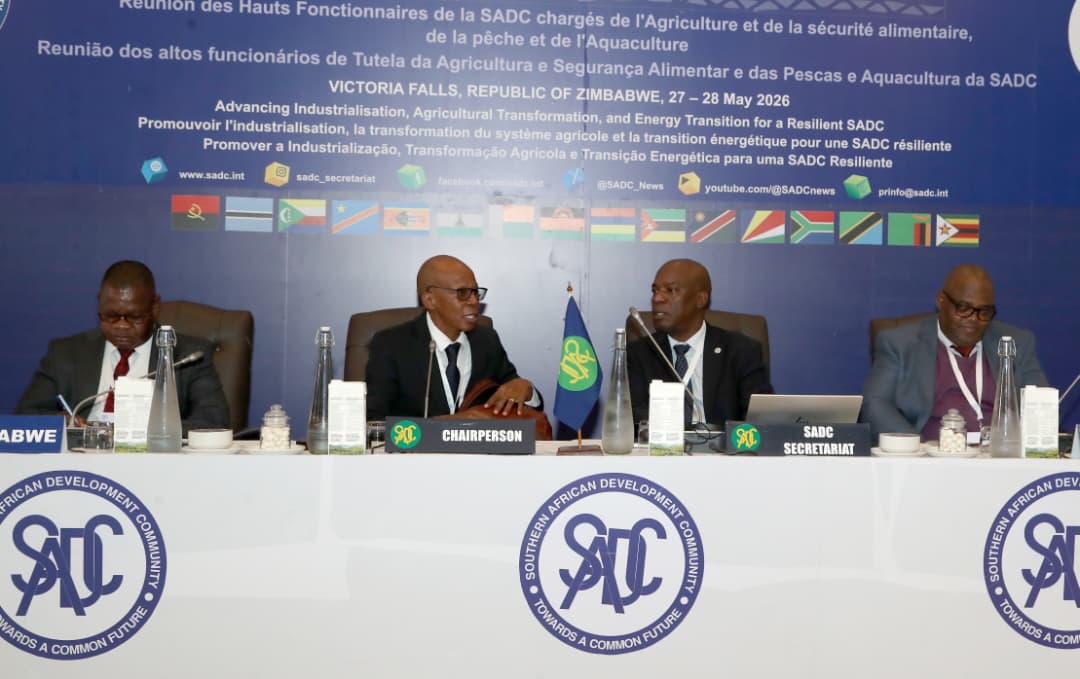
Theseus Mauruki Shambare in VICTORIA FALLS
SOUTHERN African Development Community (SADC) Member States are moving to strengthen regional fertiliser supply systems amid rising concerns over global market disruptions that have pushed up the cost of agricultural inputs and threatened food production across Southern Africa.
The development comes as senior officials responsible for agriculture, food security, fisheries and aquaculture meet in Victoria Falls, Zimbabwe, where input supply stability and agricultural resilience have emerged as key discussion areas ahead of a ministerial summit later this week.

Officials say disruptions in global supply chains, driven largely by geopolitical tensions in key producing regions, have contributed to volatility in fertiliser and fuel prices, placing pressure on farmers already struggling with climate variability and production costs.
Delivering remarks on behalf of the SADC Secretariat, Director of Food, Agriculture and Natural Resources, Mr Fahari Marwa, said external shocks are increasingly shaping the region’s agricultural performance.
“Our agenda reflects a mixed reality… we are also contending with disruptions in global input supply chains emanating from geopolitical tensions,” Mr Marwa said.
He said such disruptions have a direct impact on agricultural productivity and food availability, warning that input instability risks reversing gains made in regional food security.
Chairperson of the SADC Committee of Senior Officials, Mr Mooketsa Ramasodi, said Member States must urgently strengthen regional coordination to protect farmers from volatile global markets.
He said agriculture remains highly vulnerable not only to climate shocks but also to external economic pressures affecting production inputs.
“This meeting has been convened at a critical juncture as our Member States face multiple interconnected challenges that threaten not only food security but also regional stability and national security,” Mr Ramasodi said.
Agricultural experts at the meeting noted that fertiliser affordability remains a major constraint to production, particularly for smallholder farmers who rely heavily on imported inputs.
They warned that without coordinated regional interventions, rising costs could lead to reduced fertiliser application rates, ultimately affecting yields and worsening food insecurity across the region.
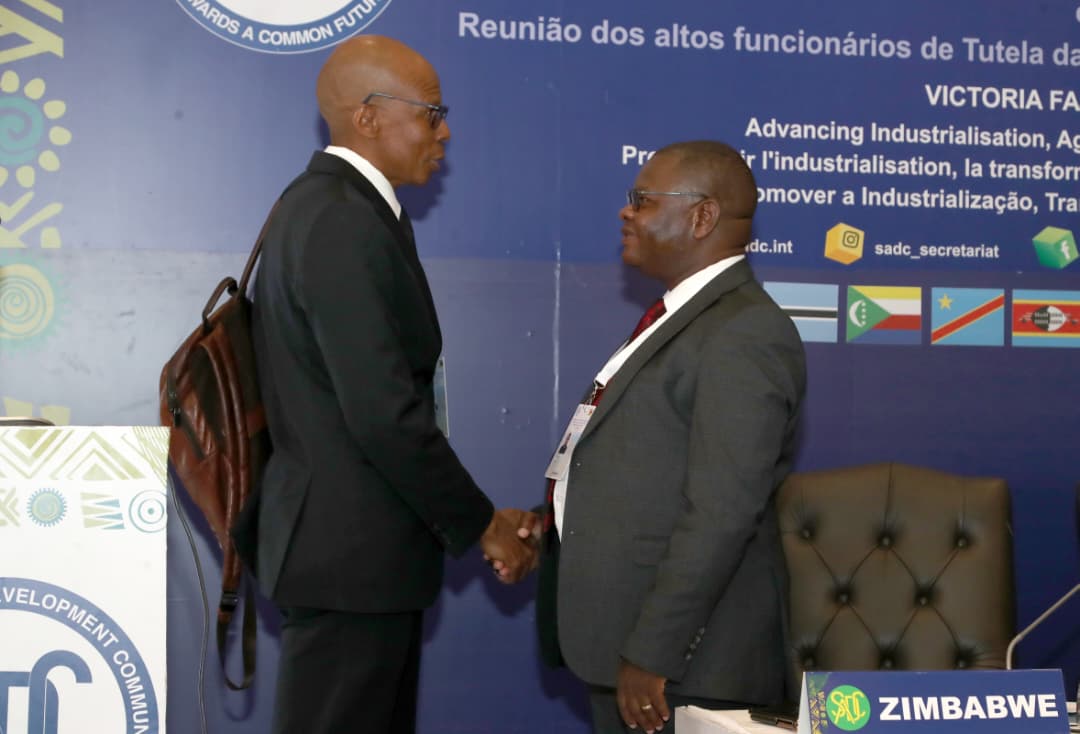
Zimbabwe’s Permanent Secretary for Agriculture, Mechanisation and Water Resources Development, Professor Obert Jiri, said SADC countries must respond collectively to strengthen resilience in agricultural input systems.
He said regional cooperation is essential in building stable supply chains that can withstand external shocks and ensure consistent access for farmers.
“It reminds us that no single Member State can address the challenges of food insecurity, agricultural productivity, and fisheries management alone,” Prof Jiri said.
The meeting is also considering policy measures aimed at improving fertiliser trade efficiency within the region, including harmonisation of regulatory frameworks and strengthening of regional procurement systems to reduce dependence on unstable external markets.
Officials say such reforms could help stabilise prices, improve availability, and enhance predictability for farmers ahead of the upcoming agricultural seasons.
The issue is expected to feature prominently in ministerial discussions on Friday, as SADC moves to strengthen food systems resilience, reduce production vulnerabilities and accelerate agricultural transformation across Southern Africa.