Online Reporter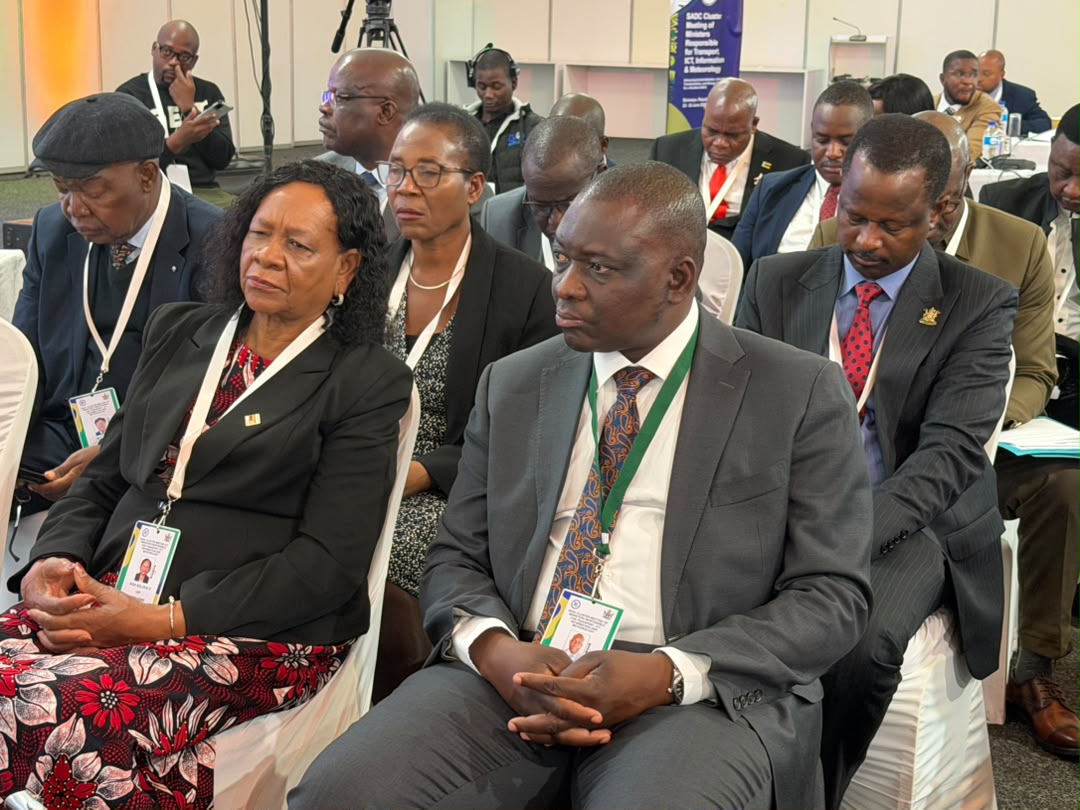
Sikhumbuzo Moyo, [email protected]
SADC member states should work together to develop regional information and communication infrastructure that guarantees digital sovereignty, enhances disaster preparedness and harnesses the transformative potential of artificial intelligence (AI).
Information, Publicity and Broadcasting Services Minister Zhemu Soda said this while speaking to the media on the sidelines of the SADC Cluster Meeting of Ministers at the Zimbabwe International Exhibition Centre in Bulawayo on Thursday.
Minister Soda said ministers responsible for transport, information and communication technologies, and meteorological services were meeting to strengthen regional cooperation in key sectors that drive development and trade.
“Our officials have been meeting here in Bulawayo since Monday and ministers have now joined them to deliberate on various issues affecting the region. The main thrust is to coordinate our efforts on facilitating trade and exploring the role of artificial intelligence in supporting regional development,” he said.
Minister Soda said the information sector had a critical responsibility to ensure citizens receive accurate and timely information, particularly during emergencies and natural disasters.
“Our citizens deserve to be informed on time, especially on issues relating to disasters, disaster preparedness and the measures they should take when such situations arise. Artificial intelligence is becoming an important tool because information can be analysed quickly and decisions made promptly,” he said.
He said one of the major issues under discussion was the need for SADC countries to establish and control their own information dissemination infrastructure.
“There is a need for us to work together so that we have our own infrastructure that guarantees sovereignty over our information and data. Most of the satellite infrastructure currently being used by countries in the region is not under our control.
Through collaboration and coordinated efforts, we believe we can liberate ourselves by developing our own equipment and infrastructure that supports our developmental objectives,” said Minister Soda.
He said member states were prepared to consider recommendations from technical experts on the resources and mechanisms required to establish regional information infrastructure, adding that cooperation and solidarity remained central to the SADC vision.
“We are ready to cooperate, work together and reduce dependence on infrastructure developed outside the continent. Such an undertaking requires collaboration and mutual understanding, which have always been the cornerstone of the Southern African Development Community,” he said.
The minister also stressed the importance of empowering young people and women to participate meaningfully in the region’s digital transformation.
“Governments are taking deliberate measures to ensure that women and young people acquire the skills required in the digital economy. They are the future and must be equipped to take advantage of emerging technologies,” he said.
He said Zimbabwe had already taken significant steps towards embracing artificial intelligence through the launch of a national AI strategy.
“You may be aware that Government recently launched an Artificial Intelligence Strategy. We intend to embrace AI while ensuring that appropriate safeguards, policies and regulations are put in place because it is a disruptive technology that must be managed responsibly,” said Minister Soda.
While acknowledging concerns about the impact of AI on employment, Minister Soda said technological advancement was inevitable and should be embraced in a manner that balances innovation with the preservation of human capital.
“We understand that some jobs may be affected by technological advancements, but we cannot stand in the way of progress. What is important is to ensure that there is a balance between the use of technology and the continued development of human capital,” he said.
Minister Soda said the increasing need for rapid decision-making and the analysis of large volumes of data made AI an indispensable tool for governments and institutions.
“The future demands that we embrace artificial intelligence and other emerging technologies. The challenge is to ensure that technology complements human effort rather than completely replacing it,” he said.
He added that Zimbabwe remained committed to leveraging innovation and technology to accelerate national development while contributing to regional integration and economic transformation.