


 malvernmugadzikwa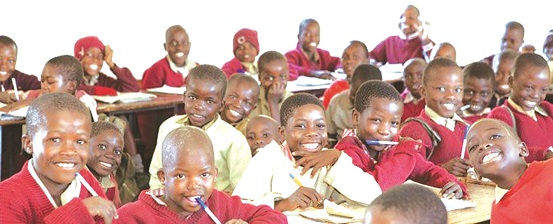
Richard Runyararo Mahomva
Organise and centralise
IN the face of an excessively Global North-dominated international environment, the assertive path of the Global South’s self-determination is key.
On the part of Africa, this can be better realised through organic institutional and ideological frameworks.
The institutional dimension to this cause has been achieved through the African Union (AU), given the continental cohesion agency it wields to member states.
To this end, apart from asserting the need for African states to “. . . organise and centralise”, Haile Selassie I of Ethiopia further tells African leaders to “. . . do something to alter our reality and bring about the type of situation, in the here and now — not in the hereafter — that will allow our people and our posterity to prosper and flourish, living up to our fullest potential”.
Zimbabwe’s dividend to African unity
In our most immediate Zimbabwean context, the Southern African Development Community (SADC) has been the reinforcing anchor to our unity with neighbouring states.
Subsequently, that Pan-African soul-tie to neighbouring states and the broad-based African aspirational thrust remain a compelling force to Zimbabwe’s adherence to promoting peace on the continent.
This allegiance to the continent is not a product of contemporary political convenience.
This is an obligation that Zimbabwe derives from its anti-colonial revolutionary credence.
At the apex of our national interest is the overarching desire for us never to return to colonial domination and dismantle all forces of neo-colonialism.
This is a generic facet of African political culture, especially from post-colonial states that waged war against colonial regimes, leading to their ultimate political demise.
This is the formidable past that Zimbabwe shares with other independent African nations. Naturally, this historical reality obliges an antagonistic view to colonialism and its remnants.
Our founding role regarding the SADC and the consolidation of our bona fide membership to the regional bloc is a confirmation of our anti-colonial position.
Shared struggles and aspirations
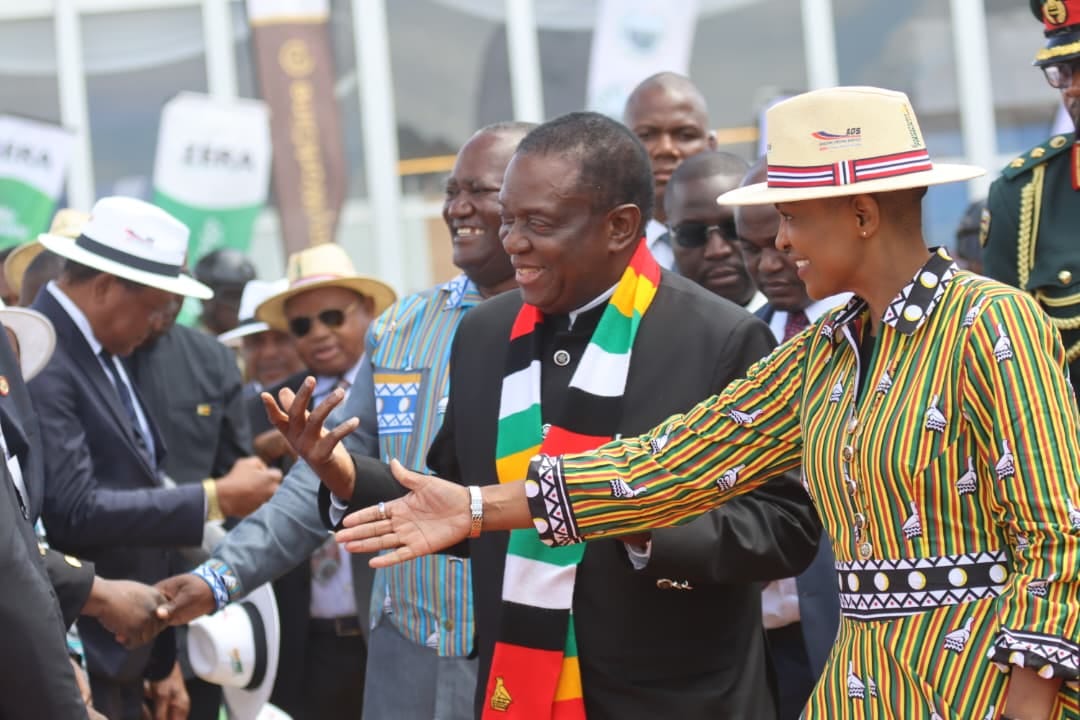
Due to the shared inter-state value of this cardinal ideological position, the 44th Ordinary Session of SADC Heads of State and Government Summit symbolically reminds member states of a common history, common aspirations and shared resources.
Beyond the protocol dictates of the summit, that fraternal convergence towards African renaissance must be underscored.
A mutual delink from the vestiges of colonialism must inspire the summit’s deliberations.
This call is a response to the discursive dissuasion for Africans to constantly reflect on the continent’s centuries of grotesque encounters with the Western world.
We are supposed to erase from our memory the perennial realities of colonial evil and replace those values of “togetherness” prescribed by makers of human segregation.
All of a sudden, Africans must heal from the centuries of colonial trauma and should focus on market-determined terms of running their states.
The negation of an Afrocentric paradigm shift to policy-making is viewed as the acceptable approach for aligning with the so-called “global best practices”.
These same standards are designed to work in Africa, and yet Africans are not involved in making and setting these human development benchmarks.
Africa’s stolen future
The teaching of African history and other humanities is being overtaken by industrialisation-focused curricular.
In the process, we are producing engineers, innovators and captains of industry who are cognitively void of the African past and the need to reverse the agendas of colonialism.
The “private school” in Africa is modelling the African learner for adaptive needs of the European market.
Surprisingly, we find it fashionable and attractive when our sons and daughters (Africa’s future leaders) become more eloquent in Western languages.
By increasingly making them more suitable candidates for European exploitative statuses, we are depriving the continent of the skills we desperately need for poverty eradication.
Daily, we are mass-producing African human capital for Diaspora development.
We are degrading the African intelligentsia to “global citizens”.
Unfortunately, we have a predominantly one-sided Global Northward citizenship predisposition.
The only time global citizenship takes a reverse Global Southward direction, you know there is need for resource extraction, looting, plunder and exploitation of Africans.
The cosmetic construct of a global village with shared aspirations continues to serve as a veneer for modernised forms of racism and imperialism.
On the other hand, having such conversations is treated as retrogressive.
Africans are constantly reminded to “move on” and ignore “things” that happened in the past.
Detrivialisation of African disenfranchisement
However, the trivialisation of centuries of violence and continued injustices in the Global South by the North must not be allowed.
Africa’s disenfranchisement must be constantly emphasised so that our point of disadvantage is known by all our people.
This way, we are able to transcend the superficial allegiances to global citizenships and be aligned to the true development aspirations of the continent.
As the convening of the SADC summit gathers momentum, we must all remember that no amount of Western benevolence will change the fortunes of our people.
We are on our own, no matter the billions in aid poured into the continent to give a cosmetic reversal of some long-lasting effects of colonialism.
Osegafu Kwame Nkrumah has instructed Africa to “neither look West or East, but to look within”.
Richard Runyararo Mahomva is Director, International Communication Services, in the Ministry of Information, Publicity and Broadcasting Services. He also doubles up as the SADC National Media Coordinator. The article does not reflect the views of the Government of Zimbabwe and SADC.


 Bongani Ndlovu
 Online Reporter