admin
admin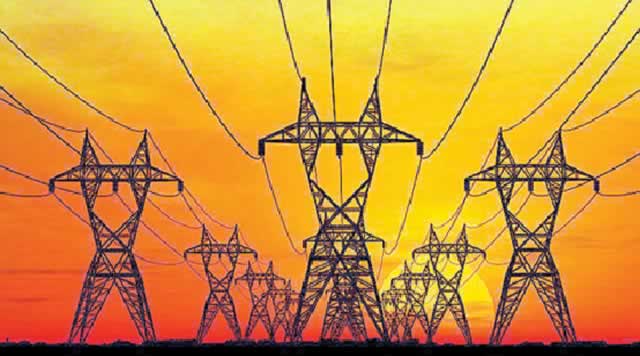
Oliver Kazunga Acting Business Editor
SADC can save more than $48 billion if regional power projects are implemented through an integrated and coordinated approach, an official has said.
Through the Southern African Power Pool (SAPP), Sadc has secured $38,55 million capital grants for the period 2014-2019 from regional and international financiers as well as development partners for electricity transmission projects.
Among others, the regional transmission projects include the Zimbabwe-Zambia-Botswana-Namibia, Angola–Namibia and the Central Transmission Corridor in Zimbabwe.
Addressing delegates at the just-ended Regional Energy Regulators Association (Rera) for Southern Africa 11th annual conference in Victoria Falls last week, SAPP coordination centre manager, Dr Lawrence Musaba, said the development and supply of electricity in the region could not be achieved by an individual utility.
“The development and supply of power to the Sadc regional electricity market cannot easily be achieved by one utility but an integrated and coordinated approach by SAPP member utilities is required.
“The SAPP Pool Plan noted that a saving of over $48 billion could be realised if projects are implemented in a coordinated fashion,” he said.
He said in the last decade demand in the SAPP increased by more than 32 percent.
“Demand for power in Southern Africa has been increasing at an average rate of three percent per annum.
“In 2007, demand growth for South Africa was 4.9 percent and for the whole region 4.6 percent. In the last 10 years demand in the SAPP increased by more than 32 percent which is equivalent to 13,000 megawatts from 41,000 MW in 2004 to 54,000MW in 2013,” he said.
Dr Musaba said it was unfortunate that there has not been corresponding investments in generation and transmission infrastructure, (11,605MW generation added from 2004 to 2013) resulting in the current supply deficit that the region is experiencing.
The power deficit in Sadc has been worsened by the region’s economic growth of more than five percent resulting in unprecedented growth in the electricity consumption and demand.
The increase in demand for base metals resulting in high metal prices on the world market with new mining companies being established in the Sadc in the last few years and inadequate investments in generation and transmission infrastructure over the last 20-years, were some of the reasons leading to power deficit.
SAPP was created in 1995 to cooperate and coordinate in the planning and operation of the electricity business in Sadc, facilitate cross border electricity trading in the region as well as promote regional cooperation in power projects development.


 Online Reporter