admin
admin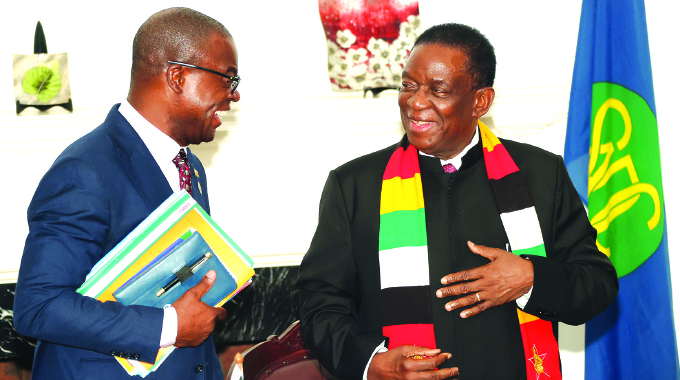
Wallace Ruzvidzo, Herald Reporter
ZIMBABWE has made a rallying call for regional self-sufficiency, declaring that the Southern African Development Community region will not rely on handouts to achieve it’s prosperity.
President Mnangagwa is the SADC Chairperson, and under his leadership, the regional bloc has been more assertive, weaning itself from foreign countries by pushing for more cooperation among member states towards modernisation and industrialisation.
In his closing remarks at the SADC Council of Ministers which ended in Harare yesterday, Foreign Affairs and International Trade Minister Professor Amon Murwira, said countries in the region were striving for economic independence with the same zeal and tenacity they had when they strove for their political independence.
The SADC Council of Ministers oversees the function and development of SADC and ensures that policies and decisions are implemented accordingly.
“Our deliberations were guided by the founding principles of SADC, those that include collective decision making for a prosperous common future,” Prof Murwira said.
“We were cognisant of the fact that prosperity cannot borrowed but it is in fact worked for, strived for and then achieved. It is important to always be aware of the truism that we can never beg ourselves to prosperity.
“We can always work ourselves to prosperity. We struggled and strived for this region’s political independence and we shall strive for its economic independence, building the region stone upon stone and brick and upon brick”.

Prof Murwira said the Council of Ministers had culminated in decisions that reflect SADC’s collective aspirations of a peaceful, inclusive, competitive, middle to high-income industrialised region.
“This shall continue to eternity; it is an eternal wave to freedom and we as a generation are part of this wave to progress and the calling from our founding fathers is that we have to play our part and never back down.
“Our deliberations and the decisions that we have reached reflect our collective aspirations, that of a peaceful, inclusive, competitive, middle to high-income industrialised region, where all citizens enjoy sustainable economic well-being, justice, and freedom.
“We have addressed pressing issues including peace and security, socio-economic and humanitarian concerns,” he said.
The meeting, said Prof Murwira, had noted the progress made in the implementation of the Regional Indicative Strategic Development Plan (RISDP 2020-2030) and the attendant challenges.
“We all agree that these challenges provide an opportunity for us to learn, rethink and re- strategise in this ever-changing international system.
“As we move forward, it is important to prioritise the implementation of our decisions and ensure that our words translate into tangible progress for the benefit of our people,” he said.
The minister then expressed gratitude to his counterparts and other delegates in attendance for their participation at the meeting.
“Please allow me to express my appreciation to all of you for engaging in meaningful dialogue on these very important issues for the development of our region.
“This shows your commitment and desire to the success of our regional integration,” Prof Murwira said.


 Online Reporter