

 Online Reporter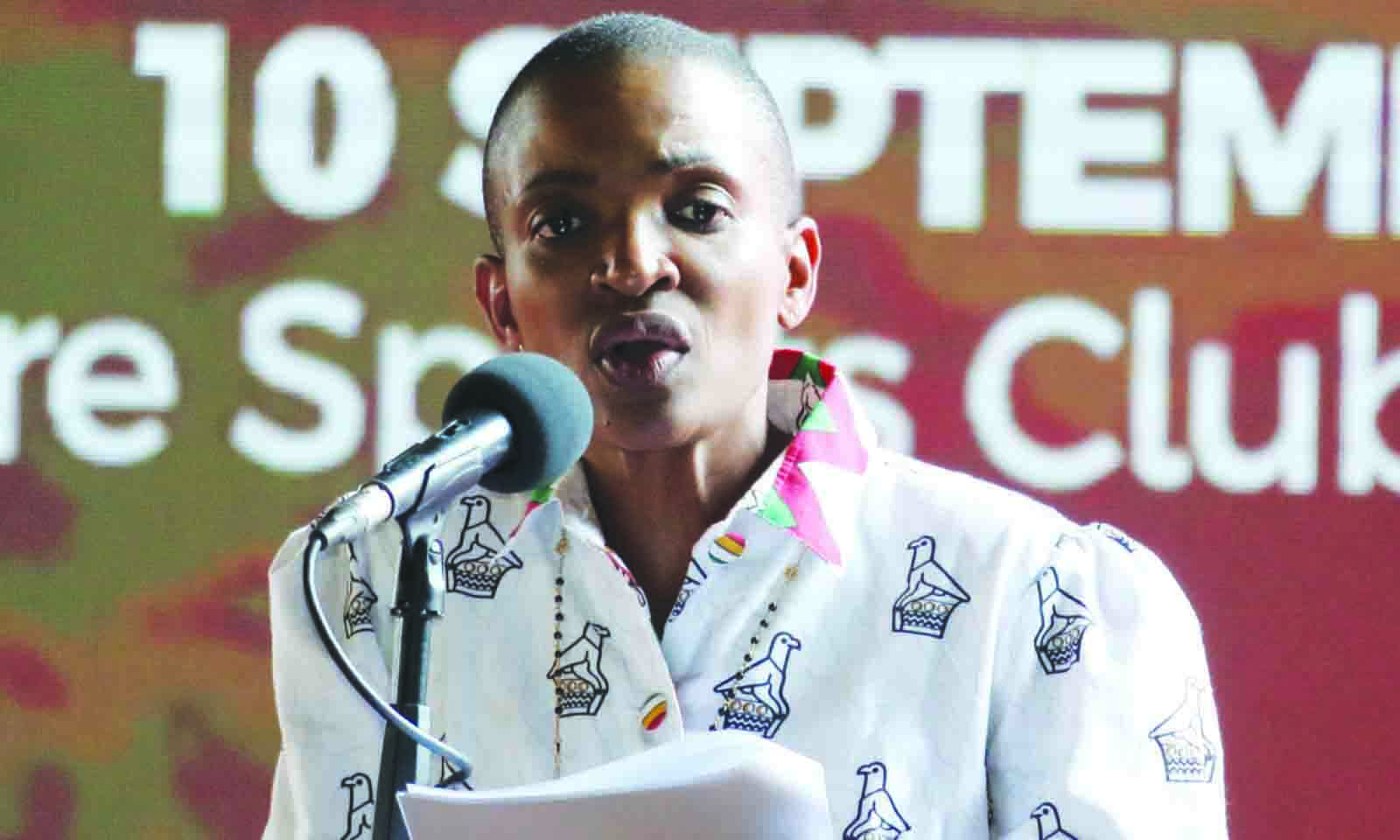
Richard Muponde
Zimpapers Politics Hub
ZIMBABWE’s tourism sector is undergoing a remarkable transformation since the advent of the Second Republic and this year’s Sanganai/Hlanganani/Kumbanayi World Tourism Expo, held in Mutare, has further cemented its status as a vital engine of national economic growth.
The 18th edition of the Expo drew record numbers of local and international participants, reinforcing its position as Africa’s premier tourism marketplace and Zimbabwe’s flagship platform for investment, networking, and promotion of its diverse tourism offerings.
This year’s attendance figures reportedly surpassed 7 000 participants, including over 300 international buyers and exhibitors, highlighting renewed global confidence in Zimbabwe’s tourism industry.
The event created a vibrant environment where business-to-business engagements, exhibitions, investment forums and cultural showcases converged to create both immediate and long-term opportunities for the sector.
President Mnangagwa’s remarks during the official opening captured the spirit of the moment and set the tone for the country’s broader tourism-led growth agenda.
“Zimbabwe is ripening this way of growth by leveraging its unique blend of natural beauty.
“The beauty in Zimbabwe is not limited only to our plants, to anything, to culture, cultural richness, but also to our living. We are the most beautiful women in Southern Africa. Tourism in Zimbabwe drives economic growth, fosters local economic growth, empowers communities and promotes conservation efforts.
“Our national strategy focuses on transforming these opportunities to tangible benefits for the collective good of the majority of our people,” said President Mnangagwa.
His words echoed the country’s determination to use tourism as a vehicle for inclusive growth and a bridge between culture, nature and sustainable development.
One of the most striking elements of this year’s Sanganai/Hlanganani/Kumbanayi Expo was the deliberate emphasis on inclusivity and domestic tourism.
Over the past five years, Zimbabwe has witnessed steady growth in domestic tourism, with figures rising by over 30 percent since 2020.
The Zimbabwe Tourism Authority reported that in 2024 alone, more than 1,5 million locals travelled for leisure within the country, a trend partly driven by improved road networks, diversified tourism packages, and increased awareness of national attractions.
The Expo amplified this momentum by showcasing affordable packages tailored to locals, encouraging them to explore destinations such as Nyanga, Kariba, Matobo and Hwange.
Cultural performances, food fairs, and heritage tours created a sense of pride and ownership among citizens, a key driver of sustainable tourism development.
Minister of Tourism and Hospitality Industry, Barbara Rwodzi, was unequivocal in outlining the importance of the Expo to Zimbabwe’s broader economic agenda.
“The results are clear. Despite global economic challenges, Zimbabwe’s tourism sector has demonstrated resilience and growth.
In 2024, Zimbabwe welcomed over 1,6 million international arrivals, which translated to over US$1,2 billion receipts.
“A total of US$190,5 million worth of investment was realised in the same year, representing a seven percent growth from 2023,” Minister Rwodzi said.
The Minister further stressed that tourism is no longer a peripheral activity, but a strategic lever for economic diversification.
“Tourism is not just an industry, it is a strategic lever for economic diversification.
“Our policies, incentives, and partnerships are, therefore, aligned to ensure that every dollar invested in Zimbabwean tourism creates multiple streams of benefits for investors, for local businesses and for ordinary citizens,” she said.
The Expo’s programme this year was rich and multi-dimensional, underscoring its significance as more than just a trade fair.
The Tourism Scholastica Symposium, a new addition, provided a platform for academia and industry players to collaborate on future-focused strategies, bridging the gap between research and practical tourism development.
Knowledge-sharing sessions explored global tourism trends, such as digital transformation, ecotourism and sustainable investment models.
Exhibitions featured everything from safari experiences, adventure tourism, and cultural tourism to wellness retreats, positioning Zimbabwe as a destination that caters to a wide spectrum of travellers.
Such variety not only attracts international visitors but also stimulates domestic interest by offering locals diverse travel experiences.
Economically, events like Sanganai/Hlanganani/Kumbanayi generate ripple effects that extend far beyond the tourism sector.
Local hotels, restaurants, transport operators, and artisanal producers benefit directly from increased demand during the Expo.
Indirectly, the event creates employment opportunities, boosts rural economies through demand for cultural products, and drives infrastructure upgrades that benefit host cities in the long term.
In Mutare, the 2025 edition led to improved accommodation capacity and revitalised interest in the Eastern Highlands as a prime destination for leisure and business tourism.
These developments align with President Mnangagwa’s Vision 2030, which seeks to transform the nation into an upper-middle-income economy within the decade.
Tourism’s contribution to GDP has been growing steadily and now accounts for over six percent of national output, with projections indicating that it could rise to 10 percent by 2030 if the current momentum is sustained.
The achievements of Sanganai/Hlanganani/Kumbanayi since the beginning of the Second Republic have been noteworthy.
The Expo has consistently drawn increasing numbers of international buyers, strengthened the country’s image as a safe and welcoming destination, and facilitated millions of dollars’ worth of tourism-related investments.
The Government’s focus on enhancing air connectivity, digital marketing, and international partnerships has positioned Zimbabwe as a must-visit destination in Southern Africa.
This progress is particularly important given the disruptions caused by the Covid-19 pandemic, which had temporarily halted global travel.
The Expo has become a powerful symbol of recovery, resilience and renewed ambition for the tourism industry.
Looking ahead, this nation can use the Sanganai/Hlanganani/Kumbanayi Expo as a springboard to further leverage its natural beauty and cultural richness to attract more tourists.
Developing niche markets such as wellness tourism, cultural immersion experiences, and eco-friendly adventure travel could differentiate the country from competitors.
Enhanced digital marketing campaigns targeting both traditional and emerging markets, as well as strategic partnerships with international travel influencers and media outlets, could broaden Zimbabwe’s appeal.
Furthermore, integrating community-based tourism into mainstream tourism packages would ensure that the benefits of growth are equitably distributed, empowering rural populations and reinforcing conservation efforts.
As the world becomes increasingly conscious of sustainable travel, Zimbabwe’s pristine landscapes, diverse wildlife, and heritage sites present a unique competitive advantage.
The country’s ability to protect these assets while simultaneously opening them up to responsible tourism will be crucial in sustaining growth.
The Tourism and Hospitality Industry Policy (2025-2030) provides a robust framework for achieving this, with its pillars of sustainability, inclusivity, and innovation offering a clear blueprint for the future.
The Sanganai/Hlanganani/Kumbanayi/Kumbanayi World Tourism Expo is more than an annual event; it is a national economic catalyst and a symbol of Zimbabwe’s determination to transform tourism into a pillar of development.
As President Mnangagwa aptly put it, tourism is about transforming opportunities into tangible benefits for the collective good of the people.
Minister Rwodzi’s calls for inclusive tourism growth underscores the need to ensure that every Zimbabwean feels the positive impact of this sector.
Internationally, the Expo projects Zimbabwe as a country open for business and ready to welcome the world.
The continued success of this event will not only accelerate progress towards Vision 2030, but also cement Zimbabwe’s place as one of Africa’s top tourism destinations, leveraging its beauty, heritage, and hospitality to boost arrivals and foster shared prosperity.



