admin
admin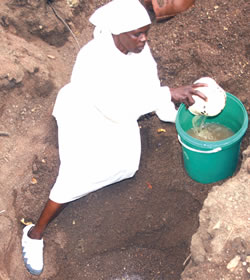
homestead in Chiredzi.
“We have to use donkeys and scotchcarts to fetch water,” said the 30-year-old Ruvengo.
“We cannot use wheelbarrows or our heads because of the distance.”
Because boreholes and wells providing safe drinking water are few and far between, villagers in dry districts like Mwenezi in Masvingo often travel up to 10 kilometers in search of water.
At independence in 1980 and late into the ’90s, Zimbabwe had one of the best infrastructure and water resources management systems in sub-Saharan Africa.
Demand for water for domestic and industrial use was largely met and new water sources set up as rural and urban populations grew.
Since 2000, there has been little investment in new water and waste water treatment plants and related facilities.
The Government and local authorities are battling to meet demand as the ageing equipment fails to cope with a growing population.
The situation is worsened by leaks and illegal connections.
Harare municipality says up to 60 percent of treated water is lost through burst pipes.
Major towns and cities in Zimbabwe are located upstream of their drinking water sources leading to huge pollution loads and high water treatment costs.
Harare, for example, needs up to nine chemicals to treat its water putting a further strain on the burdened municipality.
Statistics recently released by the United Nations Children Fund indicate that 98 percent of those without safe drinking water sources are in rural areas and have to walk longer distances in search of it.
The report also estimates that 42 percent of the rural population still practices open defecation and US$90 million is needed for sanitation hardware.
To take the water, sanitation and hygiene (WASH) to the levels of the late 1990s, Unicef said over US$900 million is required.
This leaves the Government with an uphill task to meet Millennium Development Goals on health by the year 2015.
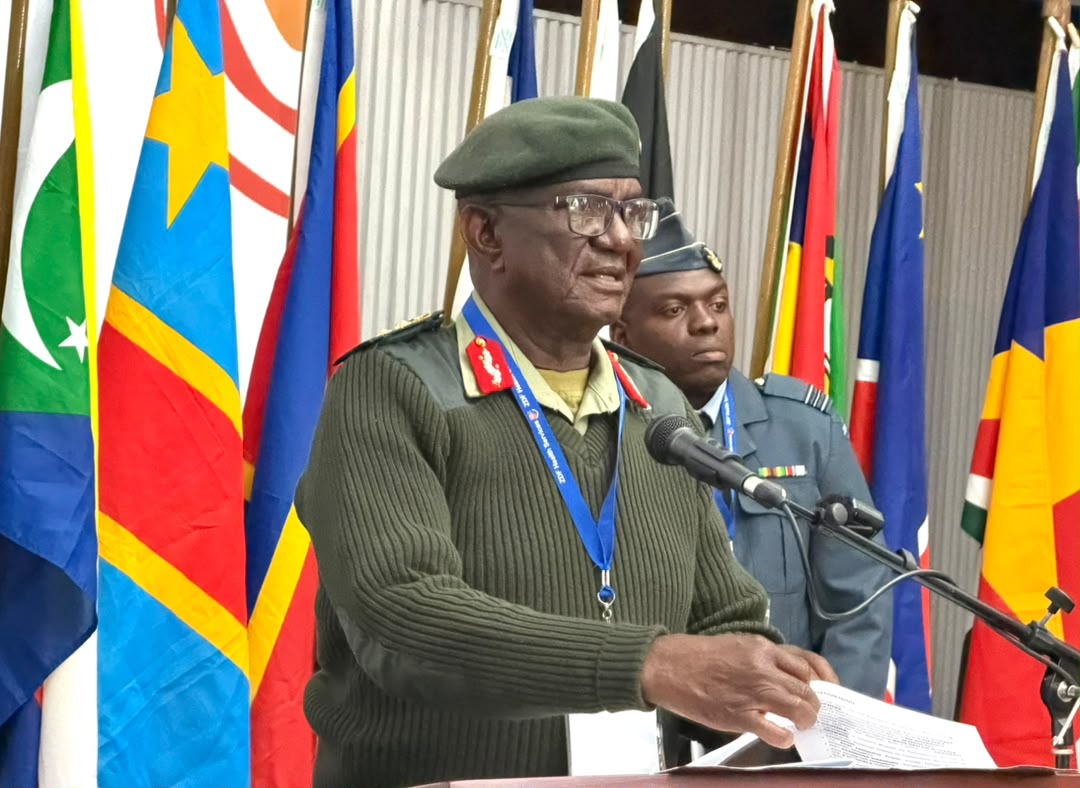
Chief Council president Chief Fortune Charumbira bemoaned the unavailability of WASH facilities in rural areas.
“The Government has not been doing enough in the maintenance of boreholes and the rate of their supply in needy areas is slow in recent years,” Chief Charumbira said.
“Part of the infrastructure was ravaged by cyclones in early 2000 and to date no repair work has been done owing to small budgets and the economic embargo illegally imposed on the country by Western nations.”
Chief Charumbira said pit latrines were now beyond the reach of many who resort to relieving themselves in the open.
“In some parts of the country people are still practicing open defecation,” he said.
The District Development Fund which has been the pillar of rural development was not spared by the economic recession.
Water Resources Development and Management Minister Samuel Sipepa Nkomo said Government was crafting a National Water Plan (NWP) to bring together various Government ministries and agencies that deal with water.
“It is against this background that the Government has undertaken to develop Zimbabwe’s first ever multi-sectoral national water policy to tackle the numerous challenges facing the water and sanitation sector,” he said.
He said the policy will be ready by year-end.
Government set aside about US$90 million to rehabilitate boreholes and other water projects country wide in the 2011 budget, even though the funds fall far short of the required amount.
To alleviate the shortage of clean water the International Relief and Development (IRD) is teaching communities to water harvest rain water.
Through its Peri-urban Rooftop Rainwater Harvesting (PROOF) programme, IRD has installed rainwater harvesting systems for 2 653 households and eight schools, benefiting 26 321 people since 2009. The programme has transformed lives in the high density suburbs of Budiriro, Mabvuku, Tafara, Mbare, Glen View, Chitungwiza, Mutare Urban and rural Manicaland, including schools in these areas.
“We are grateful for the initiative by IRD; it will go a long way providing clean water, which is often not available from the taps said Fatima Chikono (40) of Mabvuku.
Rainwater harvesting systems consists of gutters attached to the roof and a water storage tank storing 30 000 litres of water for schools and 10 000 litres for households.
In the same effort to enhance the provision of clean water in urban and town councils, the Institute of Water and Sanitation has trained more than 300 people who work at various water works country wide on water handling, complimenting boreholes drilled by other organisations in some urban centres.
About US$300 000 was unveiled by Unicef for the project.



 Online Reporter