admin
admin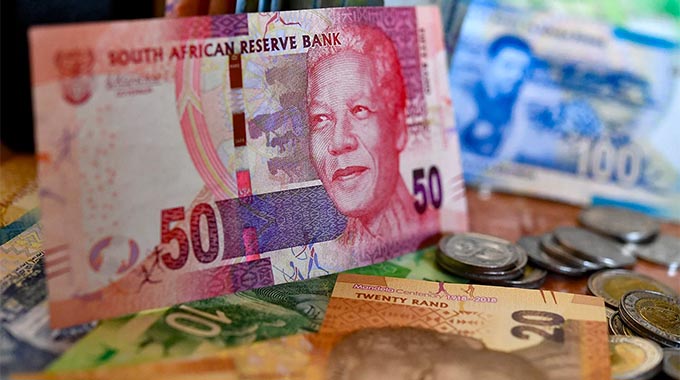
Johannesburg. – Wealth in South Africa has become more highly concentrated in the hands of the upper class since the transition to democracy began in 1993, while the lot of the average household has hardly improved, says a study of income distribution published by online economics policy forum Econ3x3.
The study casts new light on the much-touted story of the growth of the African middle class, showing that it has come with a marked concentration of income at the very top.
The slow income progress of households in the average or middle part of the income spectrum – which includes a large proportion of workers – could also help explain the “rising political unrest and social instability in South Africa”, said the study’s author, Justin Visagie.
Visagie used three nationally representative household studies to show how income distribution has changed since 1993.
He divided the income spectrum into three: households living in poverty with incomes of less than R1 400 per person per month; the middle class, with incomes of between R1 400 and R10 000 per person per month; and the upper class, with household earnings of more than R10 000 per person per month.
While the middle class, by this definition, would include a large portion of blue-collar workers, it was important to note, he said, that only 25 percent of the population earned above this threshold.
Between 1993 and 2008, the middle class grew from 7,7 million people to 10,4 million – but this was only marginally above the population growth rate, and the share of the population falling into the middle class only increased from 19 percent to 21 percent. By contrast, the upper class trebled in size and grew from 0,4 percent of the population to 1,3 percent.
The number and share of people living in absolute poverty – below a poverty line of R2 060 per month for a family of four – decreased from 56,9 percent to 51,7 percent.
The upper class also dramatically increased its share of the national income, from 17 percent to 32 percent, showing a rising concentration of wealth at the top. The middle and lower classes “actually lost ground in terms of their combined income share, which decreased from 83 percent to 68 percent”, says the study.
During the period under review, both the middle class and upper class underwent a dramatic change in racial composition, hence the story of the growth of the black middle class. The number of middle-class Africans more than doubled from 2,2 million to 5,4 million, while the number of whites shrunk by a third. Africans now make up most of the middle class.
The number of Africans in the upper-class grew even more dramatically, from 19 000 to 257 000 in 15 years.
The reasons for the declining number of whites in the middle class, said Visagie, were the shrinking white population, high levels of emigration between 1993 and 2000, and the fact that a “small but notable” number of whites had moved up into the upper class.
Visagie’s analysis also debunks the belief that incomes in South Africa are too high, often touted as a reason for low levels of investment and productivity. In 1993, the median income was R690 a month, which means half the population earned below this level.
By 2008 this had risen to R760, which implies “very slow income growth” of only about 0,5 percent a year. – BDlive.


 Online Reporter