

 malvernmugadzikwa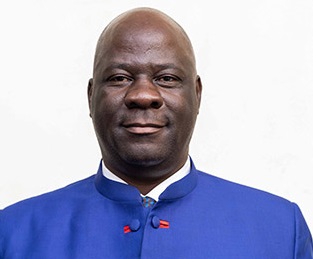
Oliver Kazunga
Senior Business Writer
THE Standards Association of Zimbabwe (SAZ) says it has developed over 2 600 standards from which about 120 have been harmonised to facilitate trade in the Southern African Development Community (SADC).
SAZ is the country’s voluntary body under the Private Voluntary Organisation Act that provides certification for quality assurance on products produced by local manufacturers.
Speaking through a virtual platform from Zambia at the Standards Act Bill consultative and awareness seminar for business organised by the Confederation of Zimbabwe Industries in
Harare on Friday, SAZ acting director general Mr Cosmus Mukoyi (pictured) said:
“As SAZ, we are recognised as the national standards body in the country, so we develop Zimbabwe’s standards at the moment and the Zimbabwe standards that we have developed are slightly over 2 600.
What we also do is we represent the country at SADC level in terms of standards development — and at SADC we harmonise standards to facilitate trade within the region and we have harmonised about 120 standards.”
SAZ, which is currently being transformed to the Standards Institute of Zimbabwe (SIZ) also represents the country at the African Organisation for Standardisation.
In March this year, the Cabinet approved principles of the Standards Bill meant to establish the Standards Institute of Zimbabwe (SIZ) that will guide the development of standards through the promotion of quality assurance in industry and commerce.
“And if you have gone through the African Continental Free Trade Area (AfCFTA) to which Zimbabwe is signatory, what you find there is mandate to develop African standards for the purposes of facilitating trade under the AfCFTA.
“And we have developed over 2 000 standards the last time we were in Abuja, Nigeria around June this year,” said Mukoyi.
The AfCFTA, which is the world’s biggest single market with about 1,3 billion people, became operational on January 1, 2021 marking historical milestones towards continental economic integration.
The country has deposited its instrument of ratification, a development expected to pave the way for the country’s full participation in the estimated US$3,4 trillion trading bloc.



 Online Reporter